
Khartoum Maps & Guides
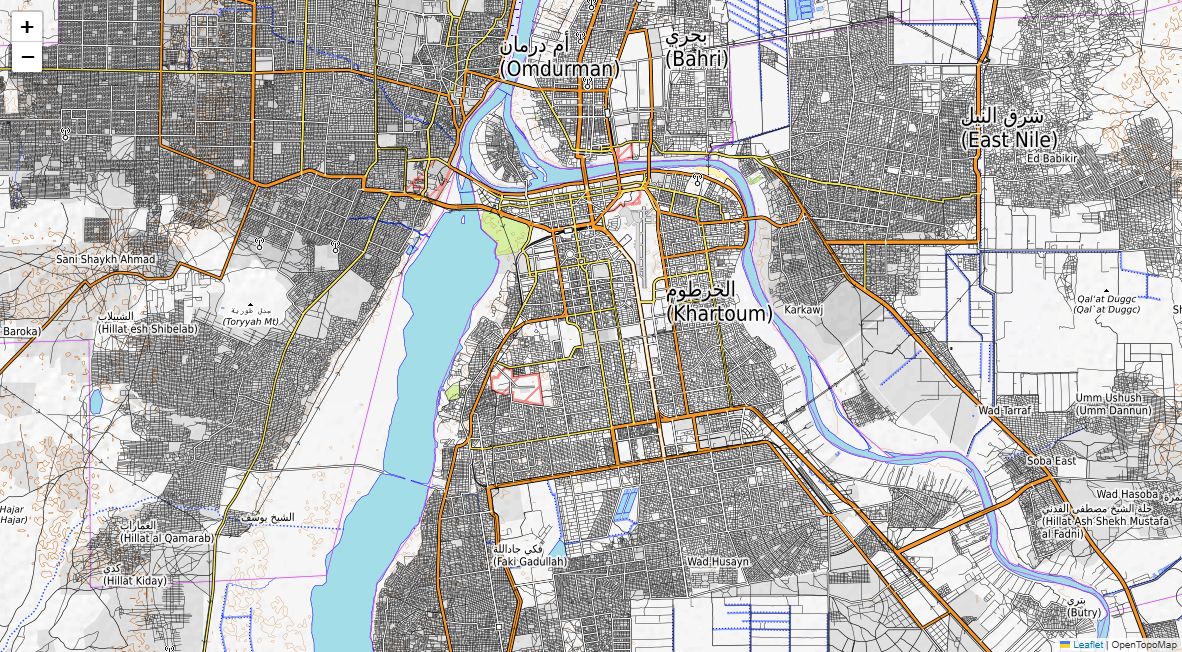
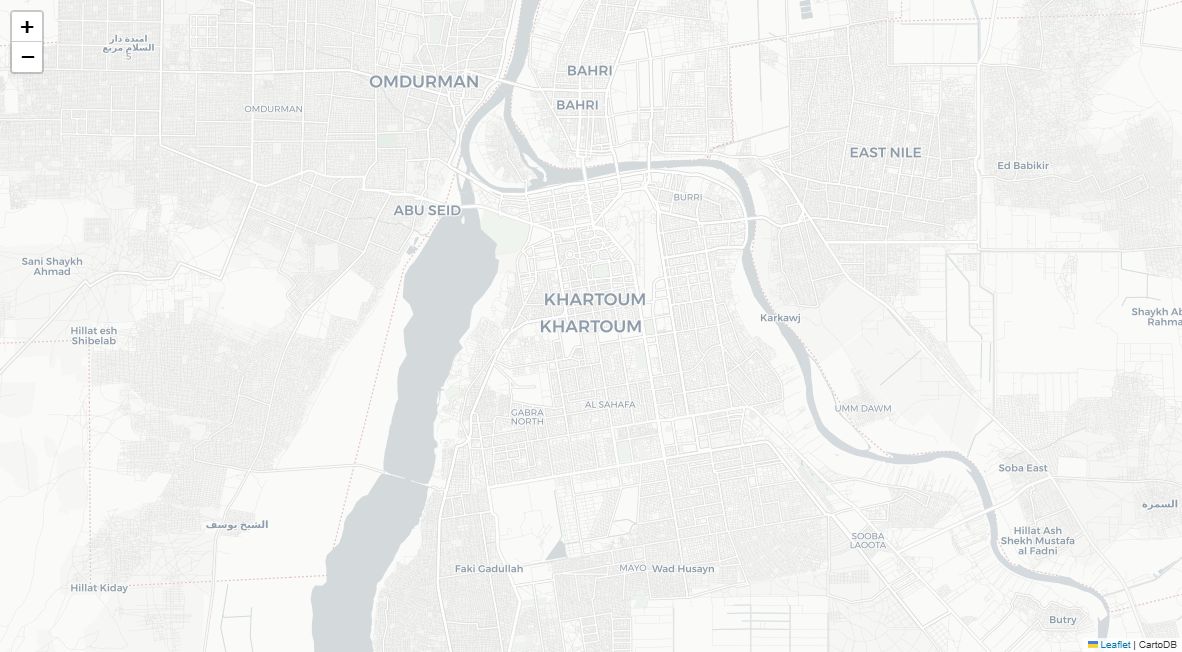
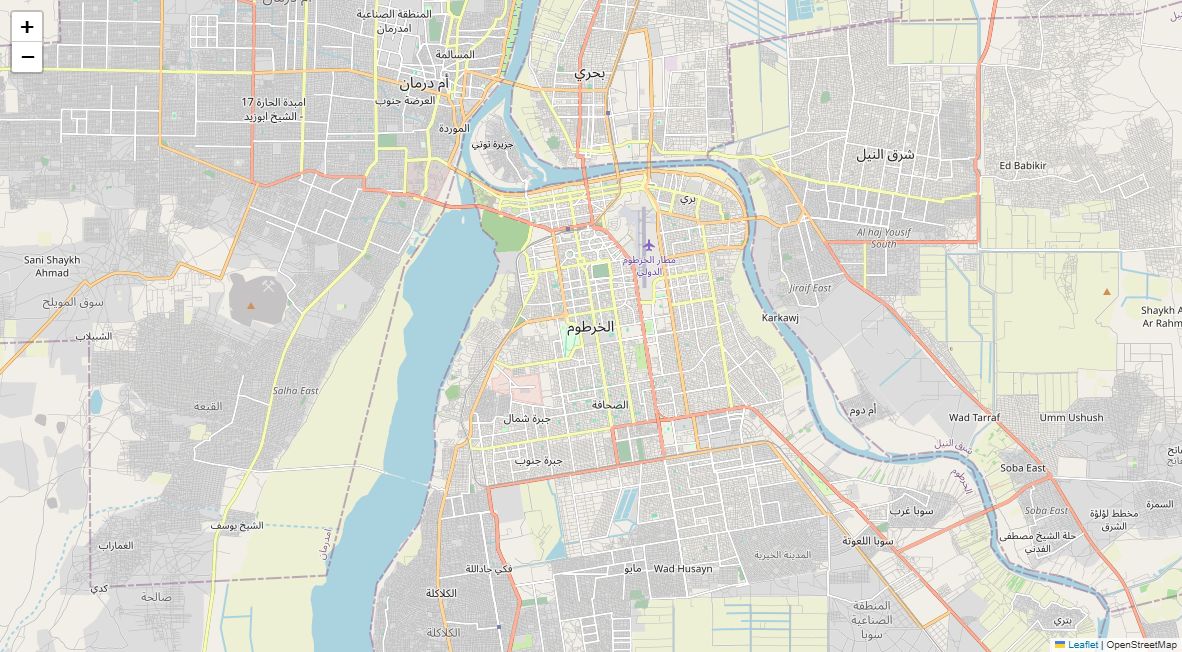
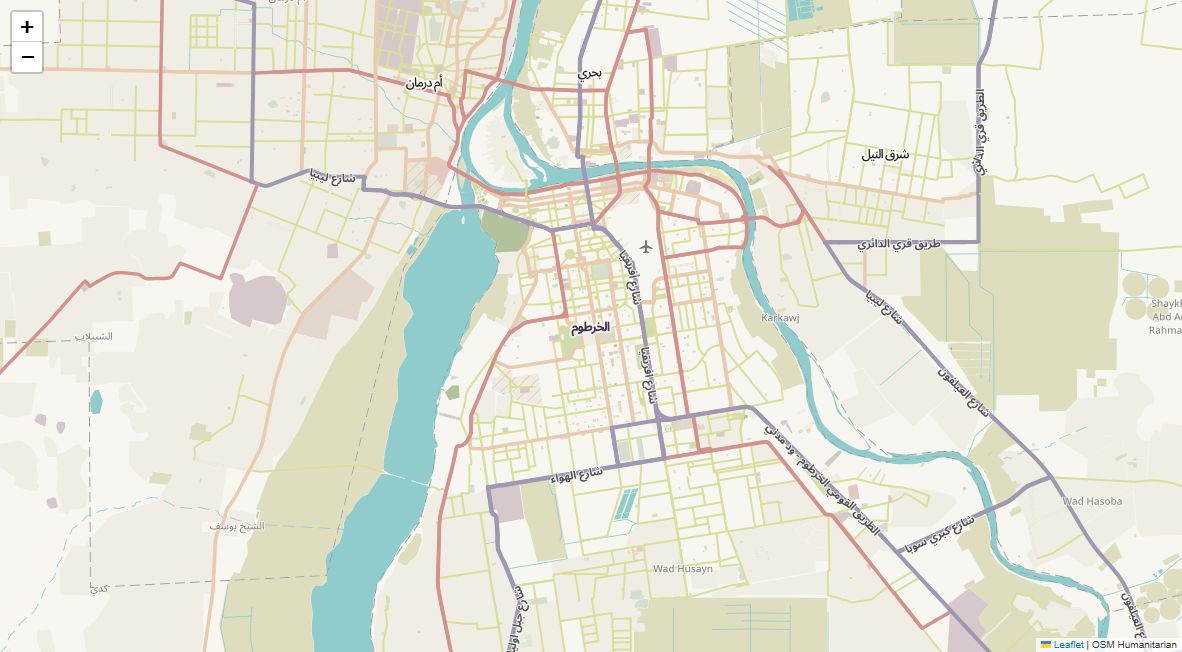
Khartoum 2026: A Journey to the Heart of the Nile & Beyond (Interactive Maps Edition)
City Vibe: Rediscovering Khartoum
- The 'Three Towns' confluence of White and Blue Niles.
- A tapestry of ancient history meeting modern aspirations.
- Warm, resilient, and hospitable local culture.
- Emerging arts and café scene reflecting renewed energy.
- Quiet yet profound spirituality, especially at Sufi gatherings.
Local Flavors: Culinary Journeys
- Fuul Medames: Hearty stew of fava beans, a breakfast staple.
- Aseeda: Porridge-like dough served with savory stews (Mullah).
- Gorraasa: Sudanese flatbread, perfect with any meal.
- Shaya: Grilled meats (lamb, beef) often served with fresh salad.
- Karkadeh: Refreshing hibiscus tea, served hot or cold.
Pro Tips for the Elite Traveler
- Engage a reputable local guide for deeper cultural insights and smooth navigation.
- Dress modestly, especially when visiting religious sites, out of respect.
- Stay hydrated; Khartoum's desert climate is intensely hot, particularly from April to October.
- Bargain respectfully in souks; it's part of the local shopping experience.
- Carry local currency (Sudanese Pound) for smaller purchases; card acceptance is growing but not universal.
POPULATION GROWTH (IN THOUSANDS)
Lifestyle & Interest Scores
LOCAL SECRETS UNVEILED: KHARTOUM
Khartoum Rising: A Phoenix City Reimagined
Khartoum in 2026 is a testament to the enduring spirit of its people. The city, strategically positioned at the ‘Al-Mogran’ where the two great Niles merge, has undergone substantial revitalization. New urban planning initiatives have introduced green spaces, enhanced public transport, and restored historical landmarks, creating a more accessible and aesthetically pleasing environment for both residents and visitors. High-end hotels and boutique guesthouses have reopened or launched, catering to an international clientele seeking comfort and authentic experiences. The security situation, while historically complex, has seen significant improvements in designated tourist zones and central districts, allowing for more confident exploration when guided by local experts. The city hums with a quiet but palpable energy, a blend of traditional life continuing alongside innovative projects, painting a picture of a capital confidently stepping into its future.
The Cradle of Civilizations: Unearthing Sudan’s Ancient Soul
For millennia, the land of Sudan has been a crucible of human history, and Khartoum serves as its gateway. Begin your journey at the National Museum of Sudan, home to an unparalleled collection of artifacts from the ancient kingdoms of Kush and Nubia. Marvel at the preserved temples, intricate frescoes, and royal statues transported from archaeological sites along the Nile, offering a profound glimpse into a civilization that once rivaled Egypt. A short drive across the Blue Nile leads to Omdurman, Khartoum’s twin city, where history breathes. Explore the Khalifa House Museum, a poignant reminder of the Mahdist era, and the iconic Mahdi’s Tomb. For a truly immersive cultural experience, visit the Sufi Dervishes’ performance at Hamad al-Nil Mosque every Friday afternoon – a mesmerizing spectacle of rhythmic chanting and whirling that transcends the mundane and connects you to Sudan’s spiritual heart. The echoes of pharaohs, kings, and spiritual leaders resonate deeply within these historical sites, offering a rich tapestry for the inquisitive mind.
The Majestic Nile: Lifeblood of Khartoum
The Nile isn’t just a river in Khartoum; it’s the very artery of life, leisure, and breathtaking beauty. The confluence at Al-Mogran is a natural wonder, where the distinct blue waters of the Blue Nile and the clearer, calmer waters of the White Nile gracefully intertwine, visible from observation points and boat tours. An evening felucca ride, a traditional wooden sailboat, offers an unparalleled perspective of the city as the sun dips below the horizon, painting the sky in fiery hues. The gentle lapping of the water, the cool breeze, and the distant city lights create an atmosphere of serene tranquility. Several newly developed waterfront promenades along both sides of the Nile now offer scenic walking paths, cafes, and restaurants where you can enjoy local delicacies with stunning river views. For the more adventurous, guided kayaking or paddle-boarding excursions are becoming popular, providing a unique way to experience the river’s expanse and observe local birdlife. The Nile isn’t just a scenic backdrop; it’s an active participant in Khartoum’s daily rhythm and a vital part of its renewed identity.
Contemporary Khartoum: Markets, Malls, and Modernity
Beyond its historical facade, Khartoum is a city actively embracing the future, offering a blend of traditional markets and emerging modern amenities. The Souk Omdurman remains an iconic experience – a sprawling labyrinth of stalls offering everything from artisanal crafts, spices, and gold jewelry to traditional garments and potent ‘bukhūr’ (Sudanese incense). It’s a sensory feast, a vibrant kaleidoscope of colors, sounds, and aromas, perfect for finding unique souvenirs and experiencing the pulse of local commerce. For a more contemporary shopping experience, several new malls and shopping complexes have opened, featuring international brands, air-conditioned comfort, and a variety of dining options. The culinary scene, too, is diversifying. While traditional Sudanese cuisine remains a highlight, new restaurants are introducing international flavors and fusion dishes, reflecting Khartoum’s growing global outlook. Upscale cafes with strong Wi-Fi and comfortable ambiances are increasingly popular, serving as hubs for social interaction and business meetings. These developments showcase Khartoum’s commitment to providing a balanced experience for modern travelers, bridging the gap between its rich past and its ambitious future.
Experiences Beyond the Expected: Adventure and Authenticity
Khartoum’s strategic location also makes it an ideal base for exploring Sudan’s incredible natural and archaeological wonders. Day trips or extended excursions can be arranged to the ancient pyramids of Meroë, a UNESCO World Heritage site and a breathtaking testament to the Nubian kings, often less crowded and more intimate than their Egyptian counterparts. The vast, stark beauty of the Bayuda Desert offers thrilling opportunities for desert safaris, with knowledgeable guides leading you through undulating dunes and past ancient rock art. For those interested in wildlife, opportunities for birdwatching along the Nile are abundant, especially during migration seasons. Engage with local communities through carefully curated cultural exchange programs, learning about traditional crafts, music, or even participating in a Sudanese cooking class. The adventure in Khartoum extends beyond typical sightseeing; it’s about connecting with the land, its people, and its profound stories. This is a destination for the true explorer, someone ready to embrace the unexpected and discover the rich, authentic heart of Africa.
Table of Contents
Maybe You Like Them Too
- Bishkek Unveiled: An Elite 2026 Travel Guide & Maps to Central Asia’s Jewel
- Melbourne 2026: An Elite Traveler’s Guide & Cultural Maps
- Dushanbe 2026: The Ultimate Elite Traveler’s Guide & Cultural Maps
- Mecca 2026: An Elite Traveler’s Guide & Sacred Journey Maps
- Cairo’s Golden Age: An Elite 2026 Journey & Luxury Maps
