
Windhoek Maps & Guides
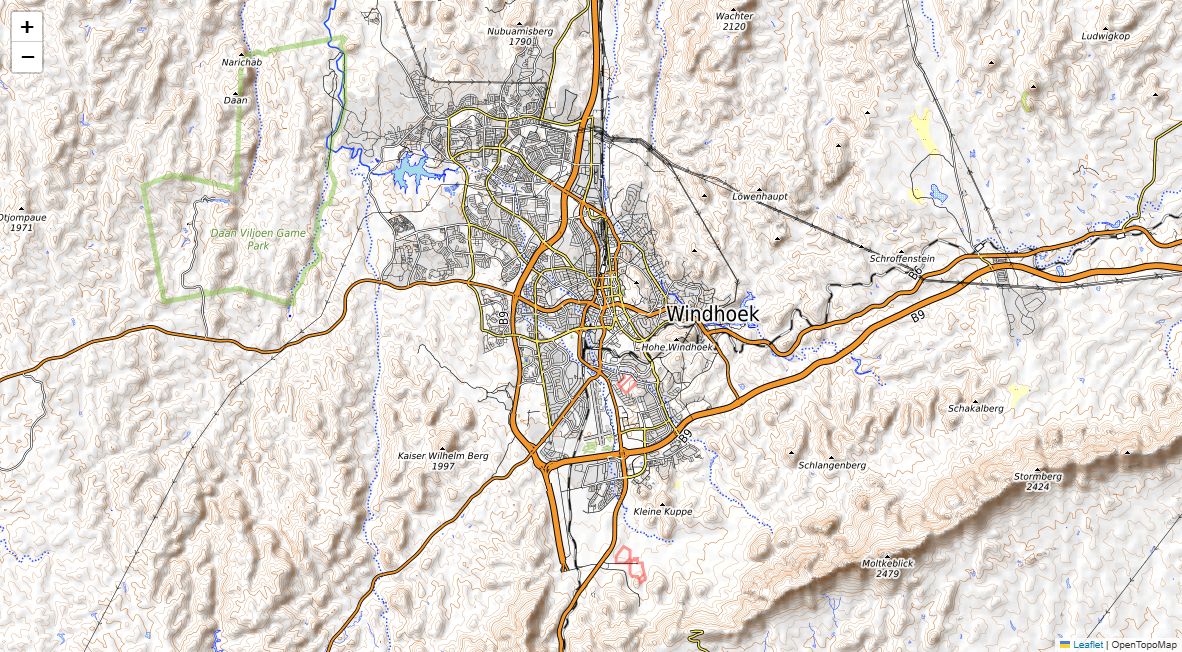
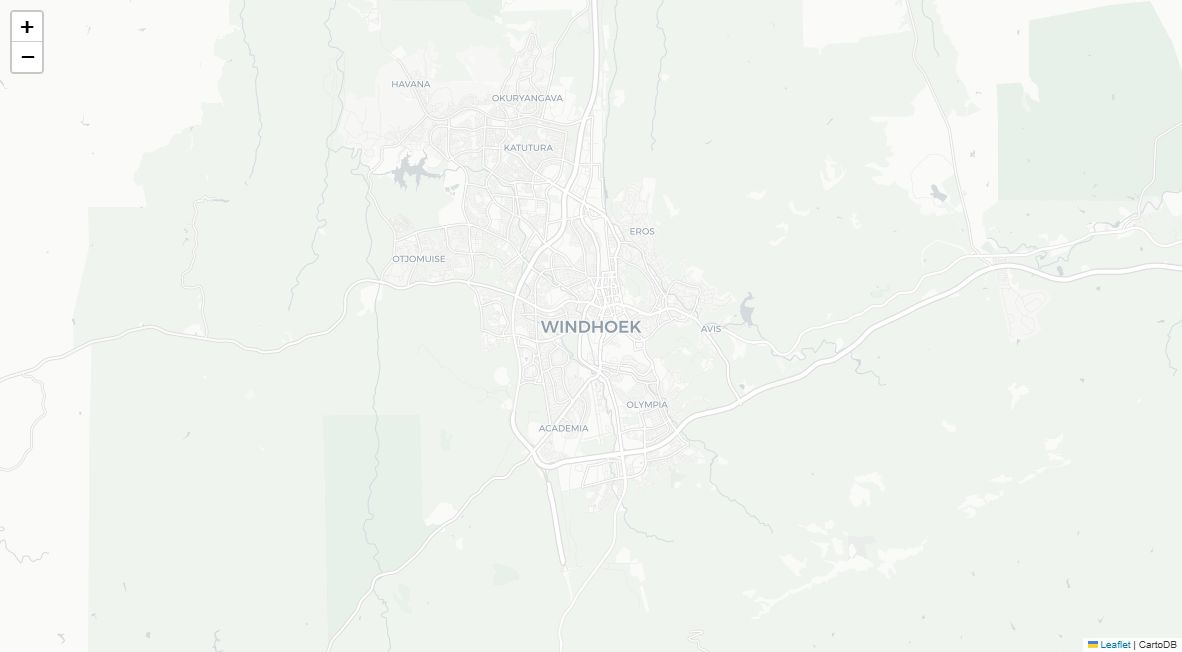
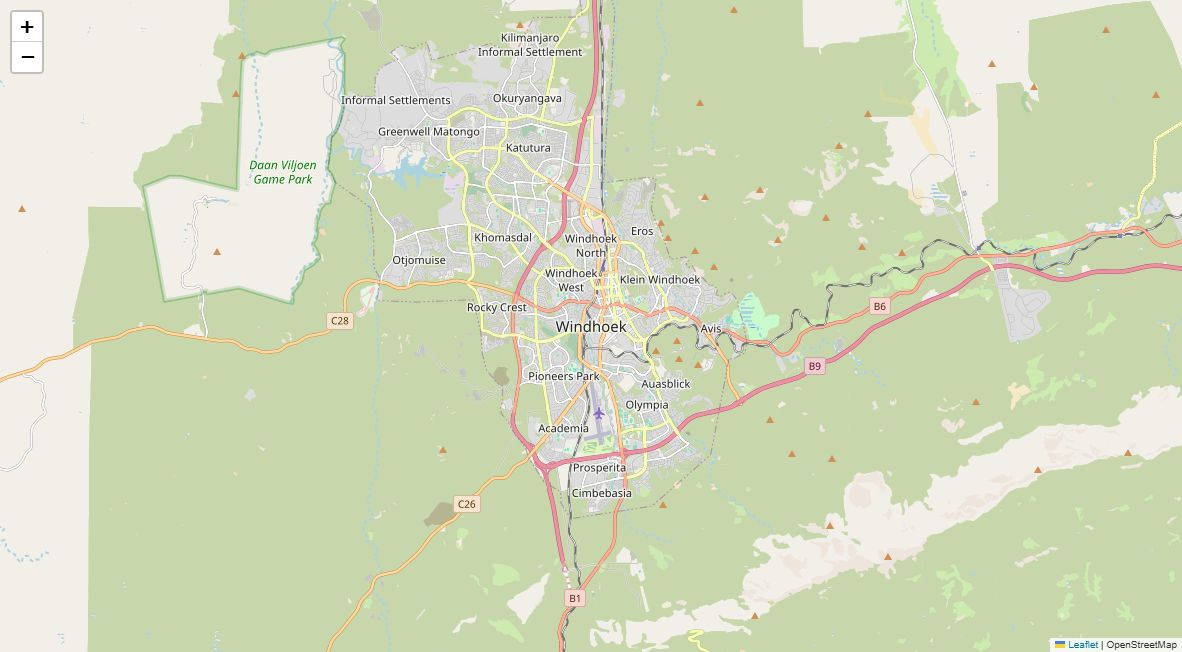
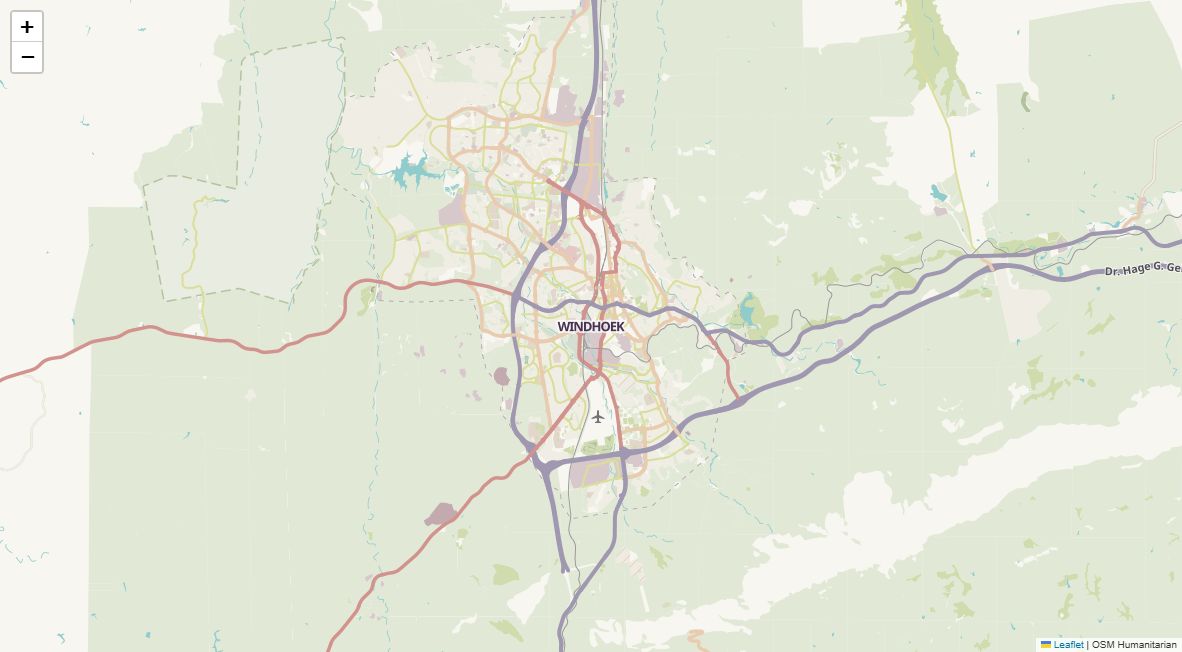
Windhoek 2026: An Elite Traveler's Guide & Urban Maps
City Vibe
- Gateway to the Namib Desert
- Blend of German colonial and African culture
- Friendly, welcoming locals
- Vibrant arts and craft scene
- Relaxed pace, yet growing cosmopolitan feel
Local Flavors
- Braai (BBQ) culture, especially kapana
- Game meats (kudu, springbok, oryx)
- Craft beer scene (Namibia Breweries Ltd.)
- Omajova mushrooms (seasonal delicacy)
- Traditional Oshifima with stew
Pro Tips
- Book accommodations well in advance, especially during peak season.
- Always carry sunscreen, a hat, and plenty of water.
- Learn a few basic Otjiherero or Afrikaans phrases.
- Utilize ride-sharing apps for safe evening transport.
- Consider a 4×4 rental for excursions outside the city.
POPULATION GROWTH (IN THOUSANDS)
Lifestyle & Interest Scores
LOCAL SECRETS UNVEILED: WINDHOEK
The Heartbeat of Namibia: Windhoek in 2026
Windhoek, Namibia’s vibrant capital, stands in 2026 as a compelling testament to a nation’s progress and enduring spirit. Nestled amidst rolling hills and bathed in almost perpetual sunshine, this city offers an unparalleled blend of African warmth and European efficiency. Far from being merely a transit point to Namibia’s world-famous safaris and desert landscapes, Windhoek has evolved into a destination for discerning travelers seeking an authentic yet comfortable African urban experience. The city pulses with quiet confidence, meticulously preserving its rich history while embracing contemporary development and sustainable tourism. Its urban landscape is a fascinating tapestry where modern high-rises stand alongside beautifully restored colonial buildings, reflecting a harmonious blend of past and present. Visitors will find sophisticated infrastructure, from luxurious boutique hotels to bustling markets, upscale dining, and a burgeoning arts scene. Windhoek is the welcoming embrace to the vast wonders of Namibia, an ideal base for exploring the country’s breathtaking natural beauty and deepening cultural immersion.
Colonial Echoes and Modern Marvels: History & Architecture
Windhoek’s architectural canvas tells a captivating story, deeply imprinted by its German colonial heritage. In 2026, strolling through the city center is like a walk through a living museum. Magnificent buildings like the Christuskirche (Christ Church) with its distinctive spire, the Tintenpalast (Ink Palace) housing Parliament, and the Alte Feste (Old Fort), the city’s oldest building, stand as proud monuments to a bygone era. These meticulously maintained structures offer a stark contrast to newer developments, symbolizing Namibia’s journey from colonial rule to independence. The fusion of German Art Nouveau and Wilhelminian styles with modern African aesthetics creates a unique visual identity. Beyond iconic landmarks, visitors discover charming pedestrian zones, vibrant public art installations, and contemporary projects showcasing Windhoek’s forward-looking vision. The National Museum of Namibia provides invaluable insights into the country’s history and ethnography. This commitment to preserving heritage while fostering innovation ensures Windhoek’s past remains integral to its dynamic present and future.
A Culinary Journey and Vibrant Evenings
Windhoek’s culinary scene in 2026 is a delightful fusion of global influences and robust local flavors, promising an unforgettable gastronomic adventure. The city boasts an impressive array of dining options, from upscale restaurants serving gourmet game meats like kudu, springbok, and oryx, to bustling local eateries offering traditional Namibian staples. The German influence is palpable in excellent bakeries, beer gardens, and restaurants serving hearty schnitzels and sausages, often paired with Namibia’s world-renowned lagers. Beyond European fare, the city embraces its African roots with dishes such as *kapana* (grilled beef strips) and *oshifima* (maize meal porridge), alongside fresh seafood. The rise of farm-to-table concepts has further elevated the dining experience, with many establishments sourcing ingredients locally. As the sun sets, Windhoek transforms, revealing a burgeoning nightlife. Upscale cocktail bars, traditional pubs, and vibrant shebeens offer diverse evening atmospheres. Live music venues showcase local talent, while outdoor seating is perfect for enjoying temperate evenings. Safety and quality are paramount, ensuring a memorable experience.
Beyond the City Limits: Adventure and Nature
While Windhoek offers urban attractions, its true allure lies in its strategic position as the ultimate gateway to Namibia’s unparalleled natural wonders. In 2026, elite travelers use Windhoek as a sophisticated base for excursions into breathtaking landscapes. Just a short drive, the Khomas Hochland highlands offer stunning vistas for hiking, mountain biking, and horseback riding. For wildlife enthusiasts, Daan Viljoen Game Park on the outskirts provides a convenient opportunity to spot species like kudu, oryx, and baboons, perfect for a half-day safari. Further afield, but easily accessible for multi-day trips, lie the iconic red dunes of Sossusvlei and Deadvlei, a photographer’s dreamscape. The world-renowned Etosha National Park, home to the ‘Big Four’ and incredible wildlife, is a manageable journey offering luxurious safari lodge experiences. High-end tour operators in Windhoek craft bespoke itineraries combining urban charms with wild, untamed landscapes, utilizing private charters or luxury overland vehicles. This seamless transition from city elegance to raw wilderness defines the Windhoek experience.
Navigating the Capital: Practicalities and Future Outlook
Navigating Windhoek in 2026 is a straightforward and comfortable experience. The city’s infrastructure has seen continuous improvements, with well-maintained roads and efficient services. For transportation within the city, ride-sharing apps like *LIFT* and local taxi services are readily available, offering convenient and safe options. Many premium hotels also provide shuttle services. While informal taxis exist, registered services or private transfers are recommended for visitors. Rental cars are popular for self-drive tours, with vehicles available at Hosea Kutako International Airport (WDH) and city locations. Safety is a priority; Windhoek generally enjoys a reputation as a safe African capital. However, exercise common sense: avoid walking alone at night and secure valuables. The local currency is the Namibian Dollar (NAD), pegged to the South African Rand (ZAR), both accepted interchangeably. ATMs are widespread, and credit cards are accepted. Looking ahead, Windhoek is poised for further growth, with ongoing investments in renewable energy, infrastructure, and sustainable tourism. For the elite traveler, Windhoek in 2026 is an immersive experience in a dynamic city, balancing heritage with innovation, offering a sophisticated launchpad for unparalleled Namibian adventures.
Table of Contents
Maybe You Like Them Too
- Brasilia 2026: An Elite Traveler’s Guide & Architectural Maps
- Ulaanbaatar: Your 2026 Elite Travel Map to Mongolia’s Dynamic Capital
- Casablanca 2026: An Elite Traveler’s Guide & Cultural Maps
- Colombo Unveiled: An Elite Traveler’s 2026 Guide & Map
- Lilongwe 2026: An Elite Traveler’s Guide & Cultural Maps
