Category: Blog
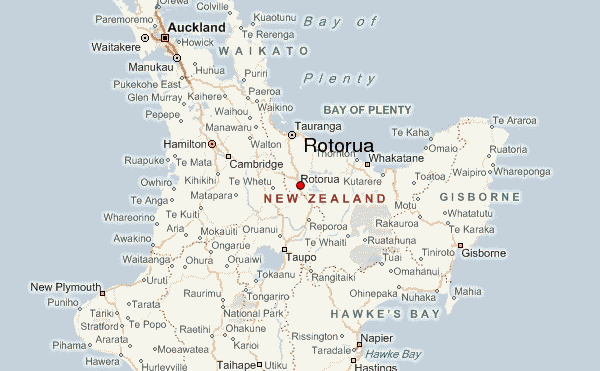
In the fifteen years since New Zealand winegrowing had begun to stir, some inklings of its future are apparent. Gisborne (Poverty Bay) stands out as having the highest proportion …
Winemaker initiatives and scientific developments Two developments in winemaking and viticulture helped change the attitudes within the industry and among the wine-buying public. From the mid-1970s a series of …
Hoar frost on the vines at Akarua’s Cairnmuir Road vineyard in Central Otago. Akarua Winery, Central Otago rock-crushing machines alter the soil profile and even the subsoil to make …
Nick Nobilo’s Vinoptima produces Gewurztraminer from deep, rich, alluvial clay soils in inland Poverty Bay. The pumpkins growing through the fence next door tell a tale of fertility. Vinoptima …
The rise of the classical vinifera varieties Yet the evidence was there, in the plantings and in the wines, that the mainstays of the European industry – the viniferas …
Varietal revolution Vinifera varieties dominated the fledgling wine industry in nineteenth-century New Zealand. Much of the accumulated knowledge about growing these classical varieties disappeared during the first two decades …
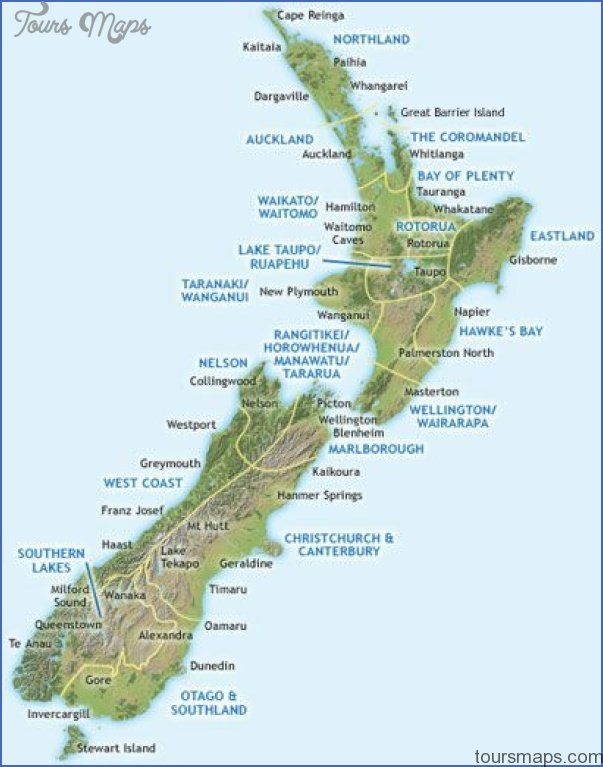
The last two decades of the twentieth century saw the realisation of the third major stage of regional dispersion away from the two traditional regions of Auckland and Hawke’s …
Throughout the 1960s, the Corban family continued to expand their footprint in West Auckland. In 1969, they bought 121 acres in Taupaki. Here the family (from left, Khaleel, Wadier, …
From 1970, a second period is characterised by the rise of Gisborne and Hawke’s Bay. By 1980, both Gisborne and Hawke’s Bay each had twice the area in vines …
Hawke’s Bay, with its much lower precipitation (under 800 mm compared with over 1400 mm in West Auckland), lower humidity and higher sunshine hours, is a more suitable natural …
source
reise fahrerkarte