
Ulaanbaatar Maps & Guides
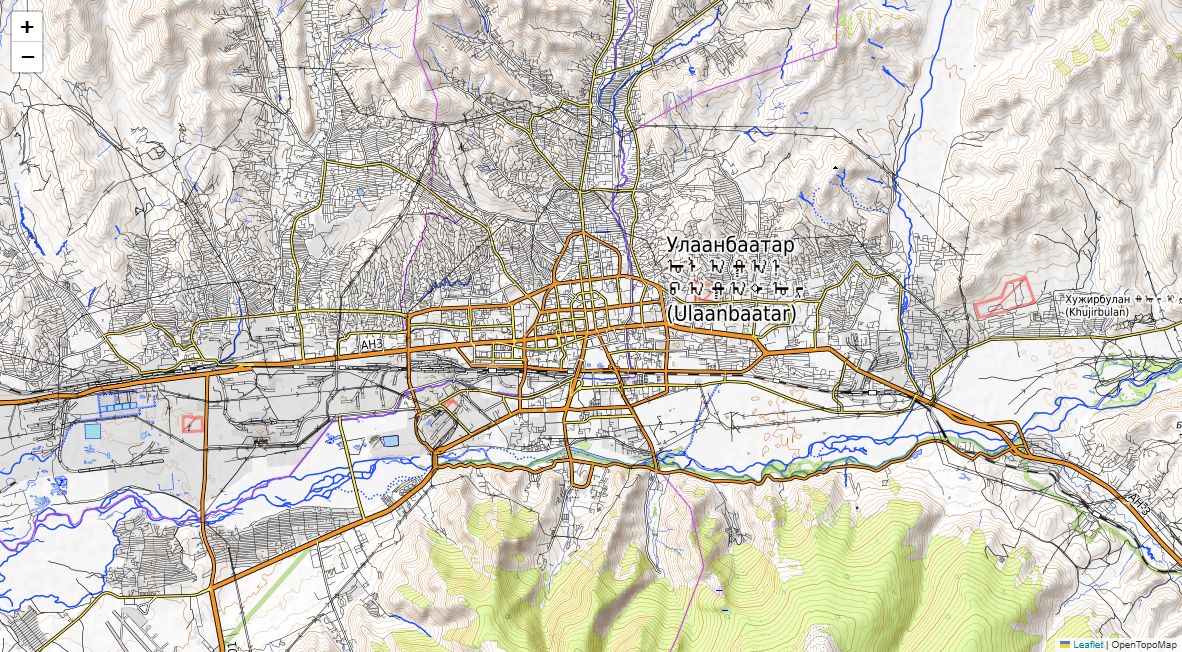
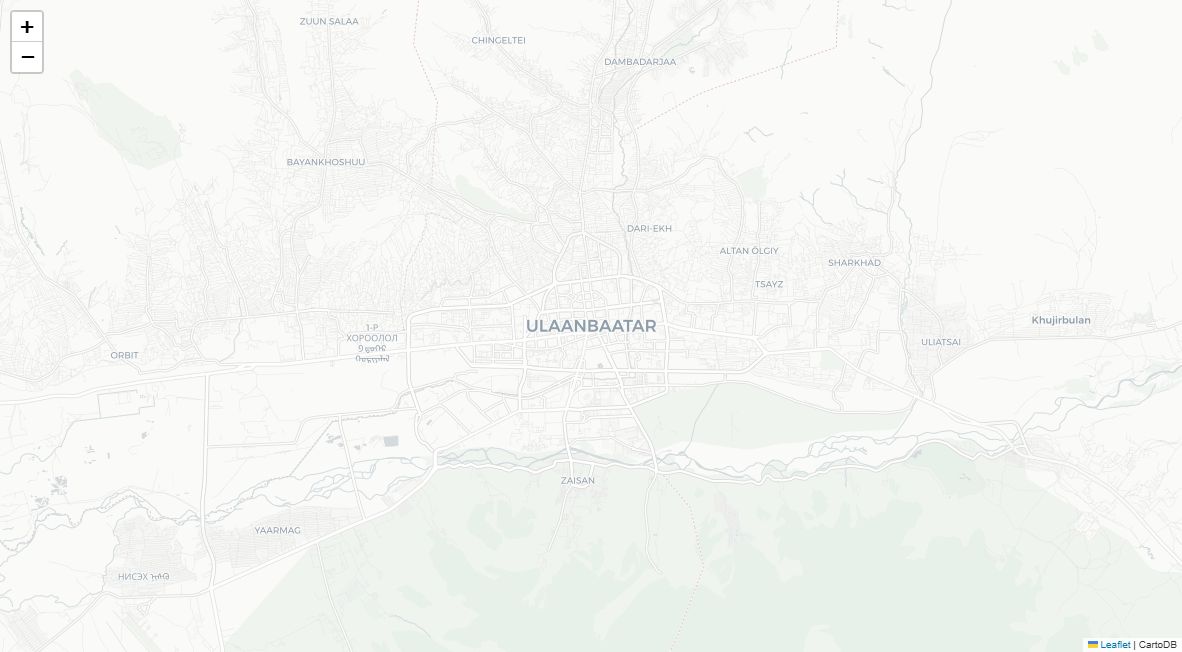
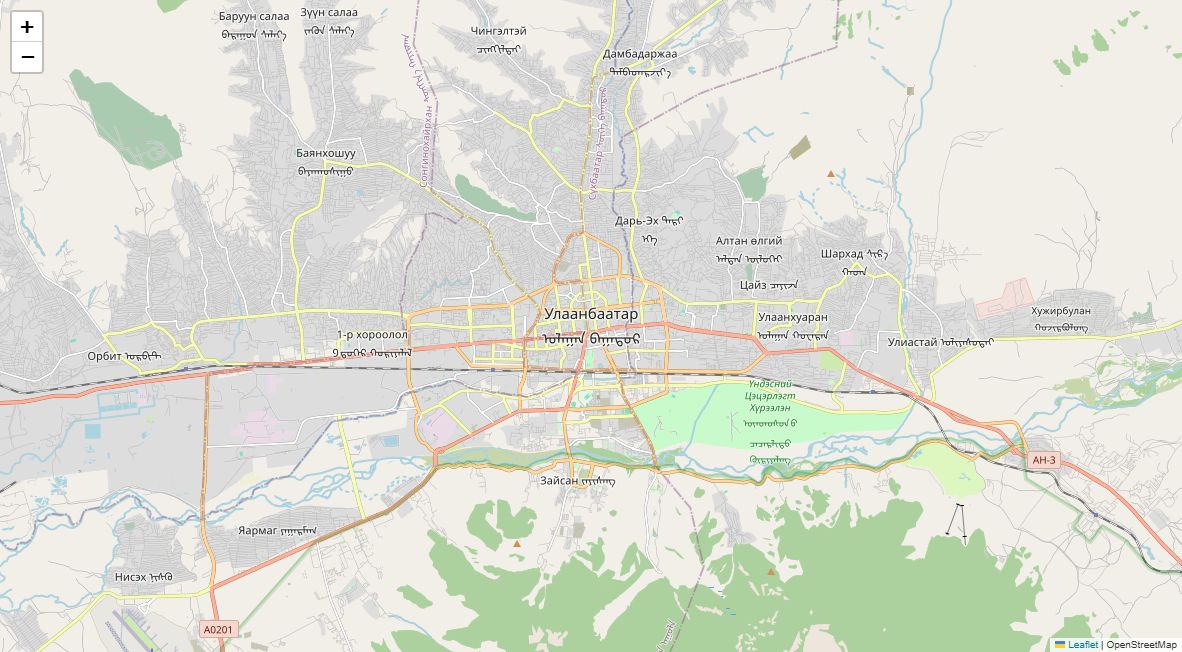
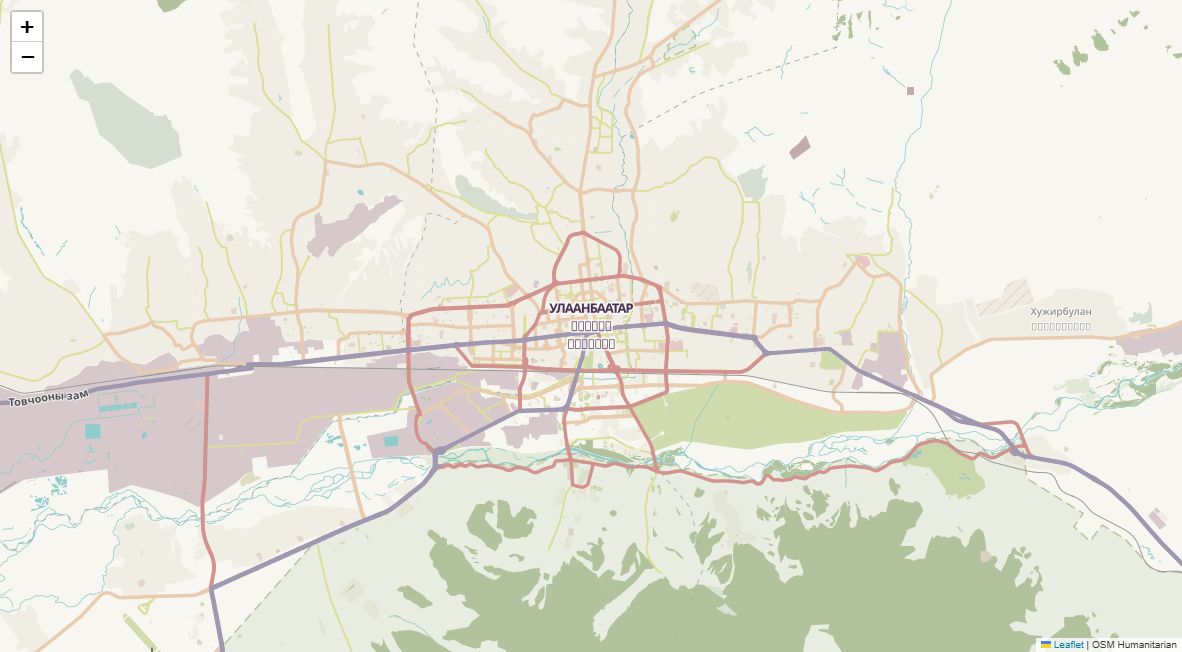
Ulaanbaatar: Your 2026 Elite Travel Map to Mongolia's Dynamic Capital
City Vibe
- Gateway to the Steppe
- Dynamic Urban Sprawl
- Nomadic Heritage & Modernity
- Cashmere Capital of the World
- Friendly & Resilient Locals
Local Flavors
- Buuz (steamed meat dumplings)
- Khuushuur (fried meat pastry)
- Aaruul (dried curd snacks)
- Airag (fermented mare's milk)
- Suutei Tsai (salty milk tea)
Pro Tips
- Learn Basic Mongolian Phrases
- Dress in Layers (Extreme Temps)
- Bargain at Naran Tuul Market
- Carry Small Denominations (MNT)
- Embrace Public Transport (Buses/Trolleys)
POPULATION GROWTH (IN THOUSANDS)
Lifestyle & Interest Scores
LOCAL SECRETS UNVEILED: ULAANBAATAR
1. Ulaanbaatar Unveiled: A Glimpse into 2026’s Evolving Capital
Ulaanbaatar in 2026 is a city in constant motion, a testament to Mongolia’s rapid development. The skyline, once Soviet-era, now boasts contemporary high-rises, reflecting a forward-looking nation. Yet, UB’s soul remains rooted in its nomadic past. Gandantegchinlen Monastery, with its towering Avalokiteshvara statue, continues as a spiritual heart, offering a tranquil escape. City infrastructure has seen significant upgrades, with improved public transport and enhanced digital connectivity making exploration seamless. New luxury hotels and boutique guesthouses promise comfort after a day of discovery. From the bustling Sukhbaatar Square to quieter backstreets, Ulaanbaatar presents a captivating narrative of tradition and innovation, making it an essential destination for those curious about ancient cultures and modern aspirations. The palpable energy, an exciting blend of past and future, defines this evolving capital.
2. Immersive Culture & Timeless Heritage
Mongolia’s rich history and profound spiritual traditions are meticulously preserved and vibrantly displayed throughout Ulaanbaatar. Your cultural journey begins at the National Museum of Mongolia, with exhibits spanning from the Stone Age to the modern era, detailing the rise of the Mongol Empire and nomadic life. A visit to the Bogd Khaan Palace Museum offers a rare glimpse into the opulent lifestyle of Mongolia’s last monarch, showcasing his possessions and beautifully preserved temples. The Zanabazar Museum of Fine Arts, named after the country’s first spiritual leader, houses exquisite Buddhist art, including his magnificent sculptures. For a truly unique experience, seek out a traditional “khoomei” (throat singing) performance or an evening of Mongolian folk music and dance. These encounters provide invaluable understanding of the Mongolian spirit, resilience, and artistic expression. In 2026, these institutions are more accessible, with multilingual guides and interactive displays enhancing the visitor experience, ensuring a deep connection to Mongolia’s soul.
3. Modern Urban Pulse & Culinary Delights
Beyond its historical facade, Ulaanbaatar pulses with contemporary energy, particularly evident in its burgeoning culinary and retail scenes. Modern shopping malls like Shangri-La Mall and State Department Store offer international brands, high-quality local cashmere, and artisanal crafts. The city’s gastronomic landscape has diversified dramatically, moving beyond traditional Mongolian fare to embrace a global palette. You’ll find chic cafes serving artisanal coffee, upscale restaurants offering fusion cuisine, and vibrant street food markets brimming with local delicacies like `buuz` and `khuushuur`. In 2026, Ulaanbaatar’s fine dining establishments increasingly integrate locally sourced, organic ingredients, reflecting a global trend towards sustainable gastronomy. Don’t miss sampling `airag`, the traditional fermented mare’s milk, or a hearty bowl of `tsuivan` (noodle stew). The nightlife, while not on par with mega-cities, offers a selection of cozy pubs, trendy bars, and even lively nightclubs, providing ample opportunities to unwind and connect. This evolving urban core provides a comfortable counterpoint to the wild adventures just beyond.
4. Gateway to Adventure: Steppes, Horses, and Nomadic Life
Ulaanbaatar serves as the ultimate launching pad for authentic Mongolian adventures. Just a short drive from the city, Gorkhi-Terelj National Park beckons with dramatic granite rock formations, sprawling valleys, and winding rivers. Here, immerse yourself in nomadic life by staying in a traditional `ger` (yurt) camp, experiencing horse riding across the open steppes, or hiking to sacred sites like Aryabal Meditation Temple. The iconic Genghis Khan Equestrian Statue, a monumental tribute, is another must-visit, offering panoramic views from its observation deck. For the truly adventurous, multi-day excursions into the wider Gobi Desert or central Mongolian grasslands can be arranged through reputable local tour operators. These trips provide unparalleled opportunities for wildlife spotting, exploring ancient ruins, and connecting with the profound silence and grandeur of the Mongolian landscape. In 2026, eco-tourism initiatives are more prevalent, emphasizing sustainable practices that allow travelers to experience the pristine wilderness responsibly, making every outdoor excursion both thrilling and environmentally conscious.
5. Navigating UB in 2026: Practicalities and Future Visions
Navigating Ulaanbaatar in 2026 is increasingly straightforward. Taxis are readily available, and ride-sharing apps have gained significant traction, offering convenient and transparent pricing. Public buses provide an affordable way to traverse the city, and maps are increasingly digital and user-friendly. While Mongolian is the official language, English is widely spoken in tourist areas, hotels, and upscale establishments. Currency is the Mongolian Tugrik (MNT), and ATMs are ubiquitous. Tipping is not traditionally expected but is appreciated for good service. For a seamless experience, consider purchasing a local SIM card upon arrival. Looking ahead, Ulaanbaatar is committed to sustainable urban development, with ongoing projects aimed at improving air quality and expanding green spaces. The city is preparing to host more international events, further enhancing its global profile. Future travelers can expect an even more polished yet equally authentic experience, where the wild heart of Mongolia beats strong within a continually modernizing capital. Embracing UB means embracing a journey into a truly unique destination that promises both introspection and exhilaration.
Table of Contents
Maybe You Like Them Too
- Casablanca 2026: An Elite Traveler’s Guide & Cultural Maps
- Colombo Unveiled: An Elite Traveler’s 2026 Guide & Map
- Lilongwe 2026: An Elite Traveler’s Guide & Cultural Maps
- Buenos Aires 2026: The Elite Traveler’s Ultimate Guide & Maps
- Mar del Plata 2026: An Elite Traveler’s Map to Argentina’s Atlantic Gem
