
Manaus Maps & Guides
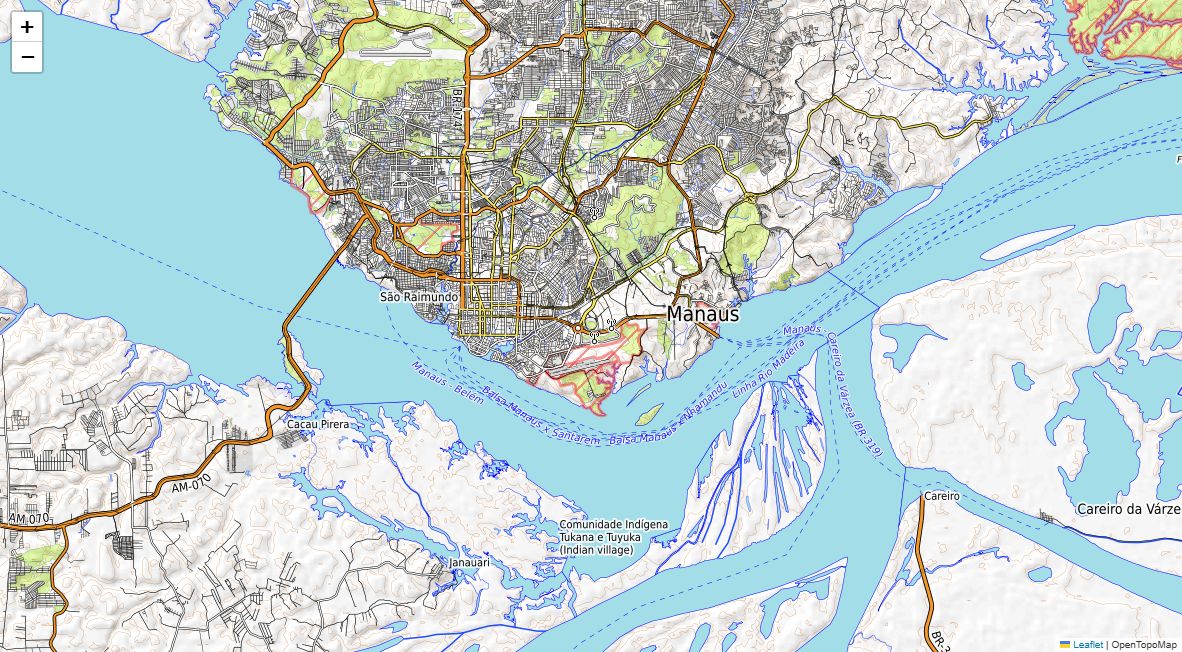
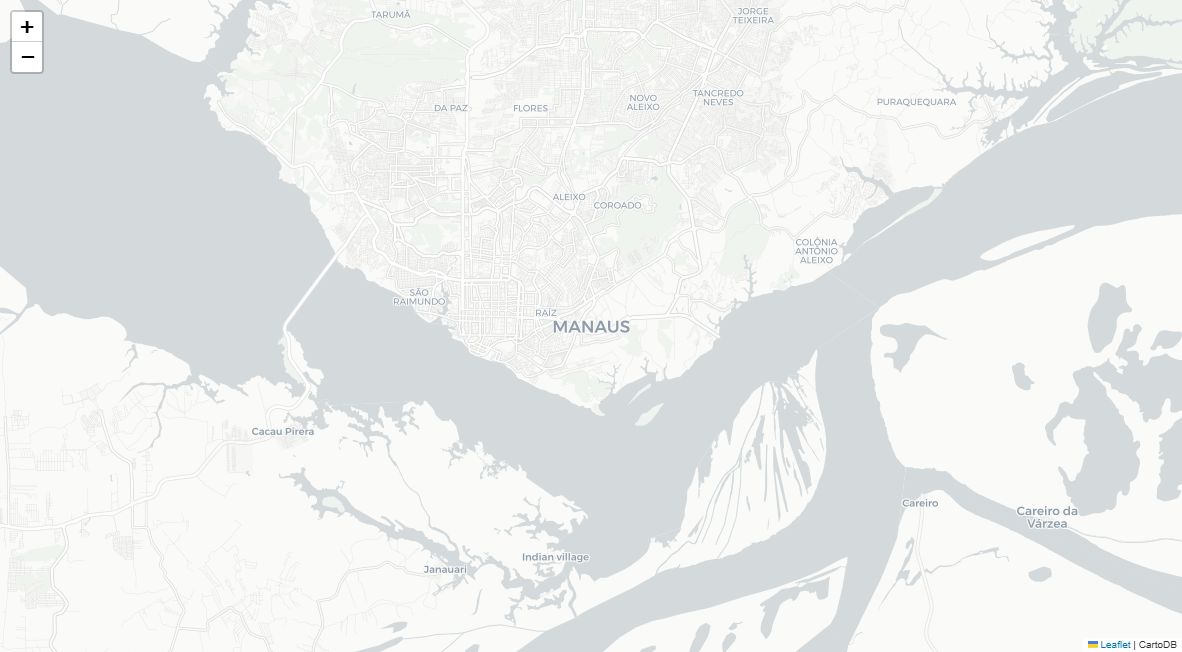
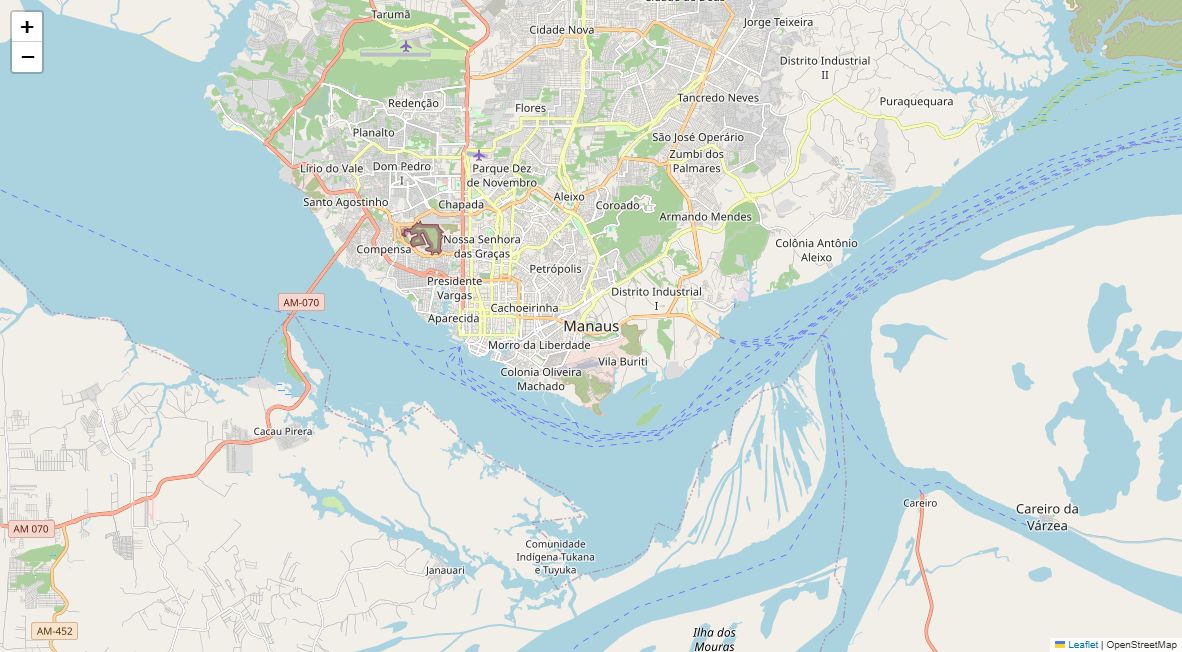
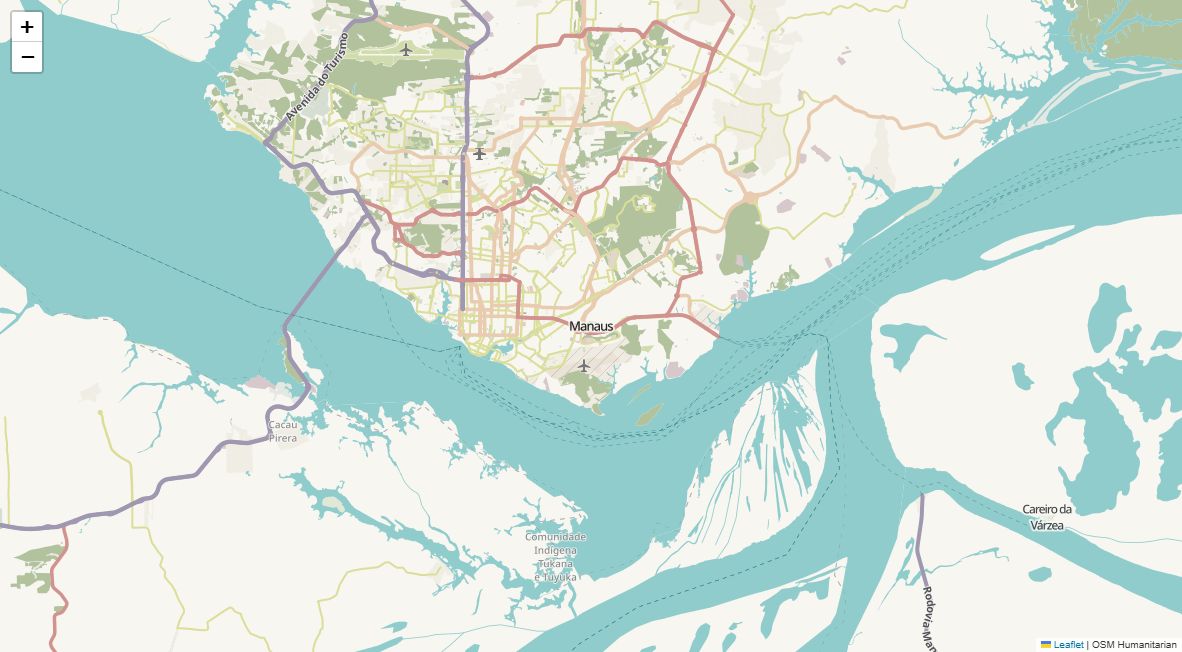
Manaus 2026: An Elite Explorer's Guide & Amazon Maps
City Vibe
- Opera House Grandeur
- Jungle's Edge Metropolis
- Lush Botanical Gardens
- Historical Riverfront Bustle
- Melding Indigenous & Colonial
Local Flavors
- Tacacá (Tucupi broth, jambu, tapioca gum)
- Pato no Tucupi (Duck in tucupi sauce)
- Pirarucu de Casaca (Baked pirarucu fish)
- Cupuaçu and Açaí (Amazonian fruits)
- Tapioca with regional fillings
Pro Tips
- Book Amazon Tours Locally & Ethically
- Stay Hydrated Constantly in Humidity
- Bring Lightweight, Breathable Clothing
- Learn Basic Portuguese Phrases
- Use Repellent Liberally, Day & Night
POPULATION GROWTH (IN THOUSANDS)
Lifestyle & Interest Scores
LOCAL SECRETS UNVEILED: MANAUS
The Gateway to the Amazon: A Verdant Introduction
Manaus, capital of Amazonas state, is an experience where urban development directly abuts the untamed jungle. In 2026, its strategic location remains paramount, offering immediate access to the Amazon basin’s diverse wonders. The pervasive humidity and symphony of distant jungle sounds constantly remind you of this unique position. Here, modern infrastructure meets ancient rainforest, creating a fascinating paradox. The city’s bustling river port, one of Brazil’s busiest, serves as a vital artery. Elite visitors will find guided eco-tours, from multi-day jungle expeditions to serene river cruises, originating here. These curated experiences prioritize minimal environmental impact and maximum immersion. Ethical interactions with local communities and adherence to conservation are paramount for 2026 travelers, ensuring the region’s pristine beauty endures. Manaus isn’t just a map point; it’s the thrilling starting line for an epic journey into the planet’s most vital natural wonder.
Historical Echoes: Opulence in the Jungle
The late 19th and early 20th-century rubber boom’s legacy is strikingly evident, granting Manaus surprising architectural grandeur. The crown jewel is the Teatro Amazonas (Amazon Theatre), an opulent opera house built with European-imported materials. In 2026, this iconic landmark still hosts world-class performances, offering a surreal cultural experience deep within the rainforest. A guided tour reveals its magnificent interiors and rich history, a stark reminder of Manaus’s past as one of the world’s wealthiest cities.
Beyond the theatre, the historic district boasts other treasures. The Palácio Rio Negro, a former rubber baron’s mansion, now functions as a cultural center. The Mercado Adolpho Lisboa, a vibrant municipal market inspired by Paris’s Les Halles, remains a sensory feast. Its imported iron structure overflows with exotic fruits, Amazonian fish, indigenous crafts, and local remedies. These sites offer a fascinating glimpse into Manaus’s golden age, where European sophistication was transplanted into the Amazon, blending a frontier spirit with unexpected elegance.
The Amazonian Immersion: Beyond the City Limits
True Manaus exploration extends far beyond its urban core, delving into defining natural phenomena. The undisputed highlight is the Meeting of the Waters (Encontro das Águas), where the dark Rio Negro flows alongside the sandy Rio Solimões for kilometers without mixing, eventually forming the mighty Amazon River. Witnessing this from a boat tour is an unforgettable spectacle.
For deeper immersion, 2026 offers luxury eco-lodges nestled within the jungle, providing authentic yet comfortable experiences. These lodges are hubs for guided jungle treks, where expert local guides reveal rainforest secrets – identifying medicinal plants, spotting elusive wildlife (sloths, monkeys), and sharing ancient survival techniques. Night safaris unveil nocturnal creatures, from glowing-eyed caimans to fascinating insects.
River safaris provide opportunities for piranha fishing, swimming with pink river dolphins (ethically managed), and visiting indigenous communities. These interactions offer profound insights into traditional Amazonian life, emphasizing sustainable practices and cultural exchange. Responsible tourism in 2026 supports these communities directly, benefiting the rainforest’s true custodians. This is where Manaus’s magic truly comes alive – in the embrace of the Amazon itself.
Culinary Crossroads: Flavors of the Forest and River
Manaus’s culinary scene is a vibrant reflection of its unique geography and heritage, offering a gastronomic adventure. The Amazon’s bounty dictates the menu: exotic fruits, fresh river fish, and unique regional ingredients. For the elite traveler in 2026, exploring this culinary landscape is essential.
Begin at the Mercado Adolpho Lisboa for its gastronomic treasures. Sample freshly squeezed juices from fruits like cupuaçu and graviola. Indulge in local tapioca – cassava starch pancakes, often filled with cheese or Amazonian shrimp.
Lunch and dinner menus will feature diverse freshwater fish. Pirarucu, one of the world’s largest, is a must-try, often served “de casaca” (baked with plantains and farofa). Other choices include tambaqui (grilled/fried) and pacu. Don’t miss Tacacá, a traditional soup served in a gourd, made with tucupi (manioc broth), jambu (a mouth-tingling herb), and dried shrimp – a truly unique sensory experience.
High-end restaurants increasingly embrace modern Amazonian cuisine, fusing traditional ingredients with contemporary techniques. These establishments offer refined dining, allowing visitors to savor regional flavors in sophisticated settings. From street food to elegant eateries, Manaus promises a flavorful expedition into the heart of Amazonian gastronomy, a testament to the bounty of the forest and its rivers.
Sustainable Exploration & Future Horizons
As the world addresses environmental challenges, Manaus in 2026 leads sustainable tourism, recognizing its pivotal role in Amazon protection. Elite travelers are participants in a broader conservation effort. Choosing eco-certified lodges and tour operators is crucial; they invest in local communities, fund research, and minimize ecological footprints (waste reduction, renewable energy, wildlife protection).
The city itself evolves with green infrastructure and urban green space preservation. Explore Mindu Park, an urban rainforest fragment sanctuary for endangered species like the pied tamarin monkey. Educational centers emphasize biodiversity and Amazon challenges.
Looking ahead to 2026, Manaus is poised to become a significant hub for scientific research and eco-tourism innovation. Discussions include enhanced public transportation, stringent environmental regulations for river traffic, and further integration of indigenous knowledge into tourist offerings. For the conscious traveler, Manaus offers not just an incredible journey, but an opportunity to contribute positively to preserving a global treasure. Embrace the adventure responsibly; Manaus will reveal its unparalleled beauty and profound significance for generations to come.
Table of Contents
Maybe You Like Them Too
- Gold Coast 2026: Your Elite Traveler’s Guide & Adventure Maps
- Bogota 2026: An Elite Traveler’s Guide & Cultural Maps
- Nouakchott Revealed: Your Elite 2026 Travel Guide and Maps
- Monrovia Unveiled: An Elite 2026 Travel Guide and Maps
- Barranquilla 2026: Your Elite Travel Maps & Guide to the Gateway of the Caribbean
