
Tripoli Maps & Guides
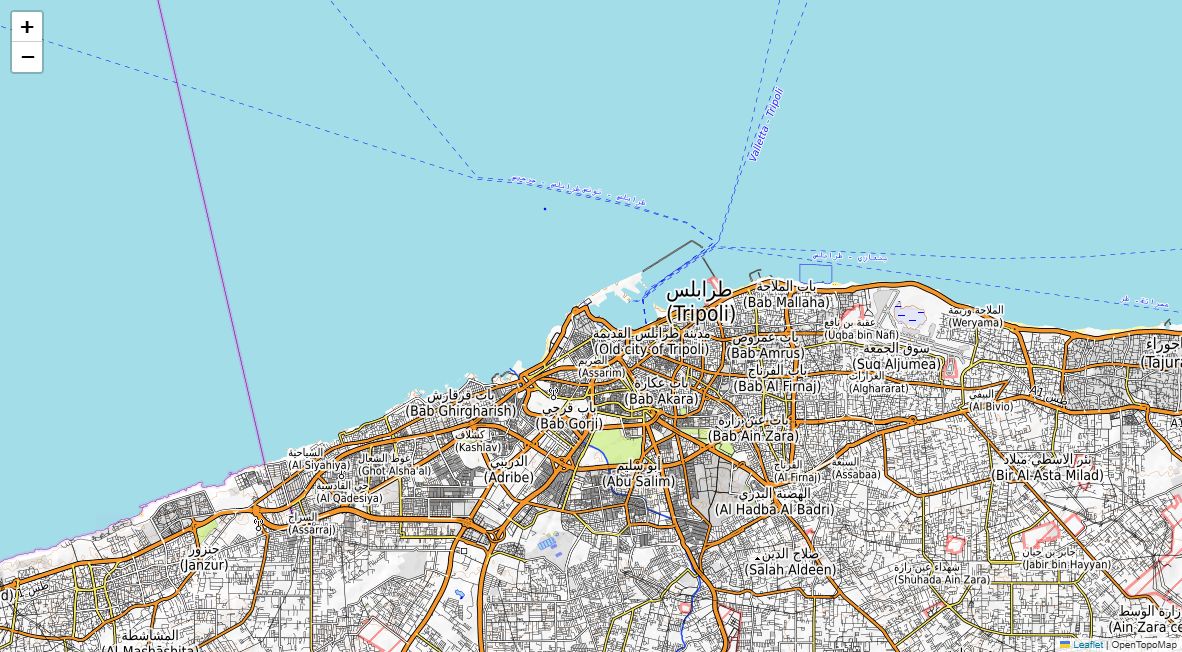
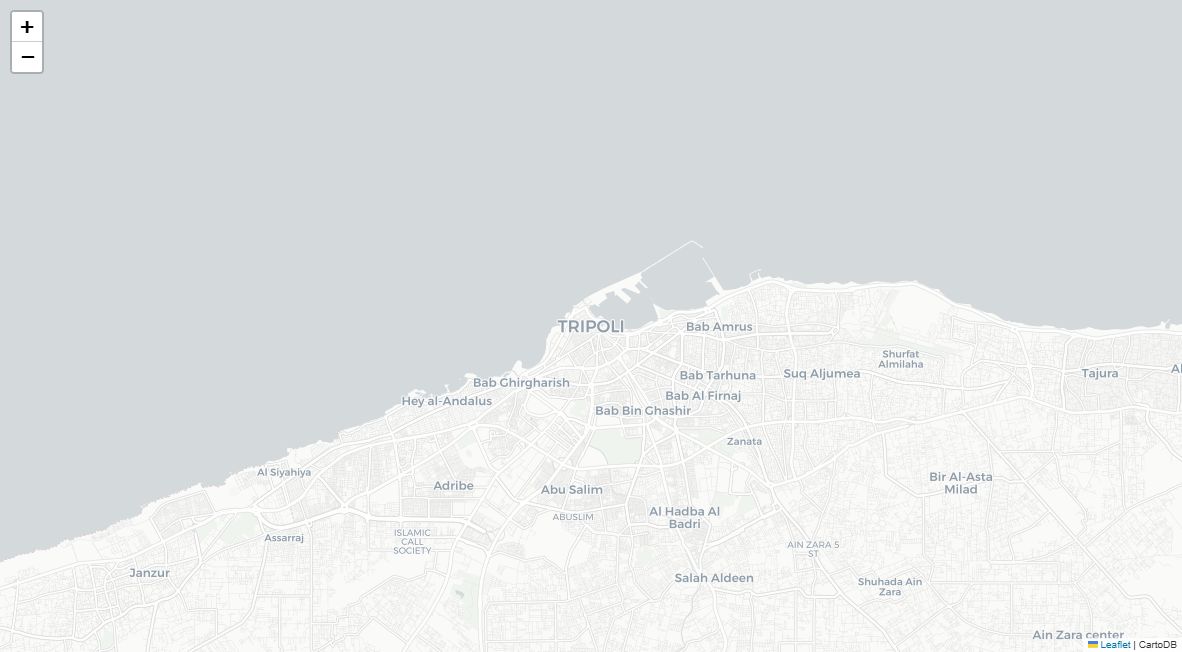
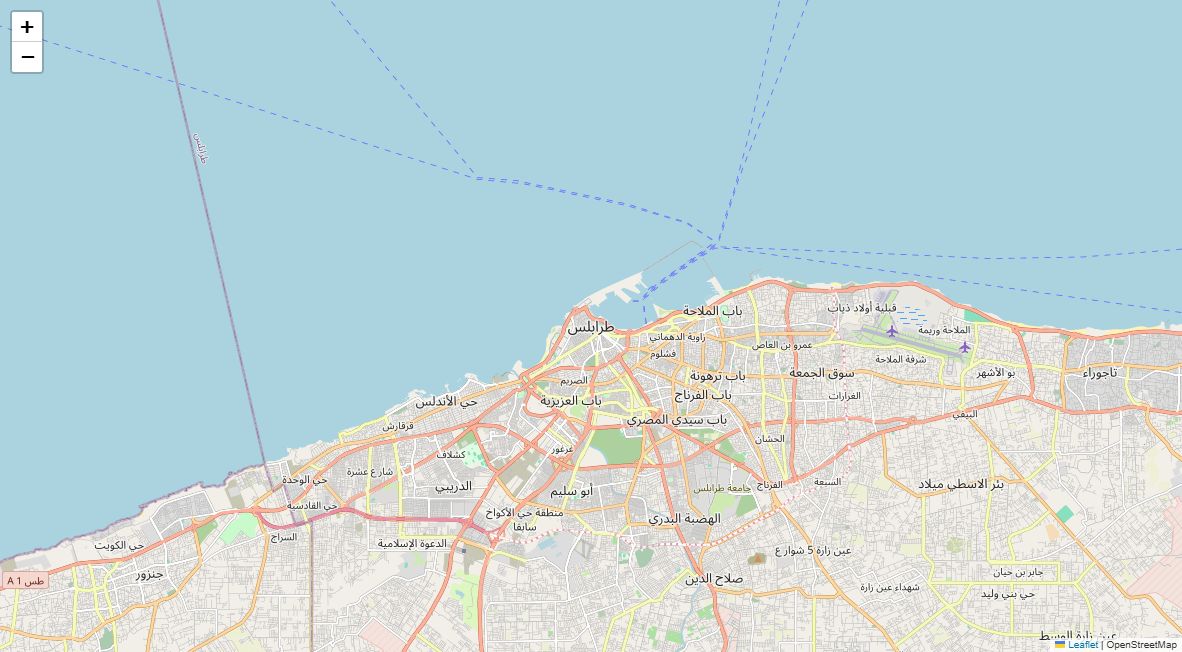
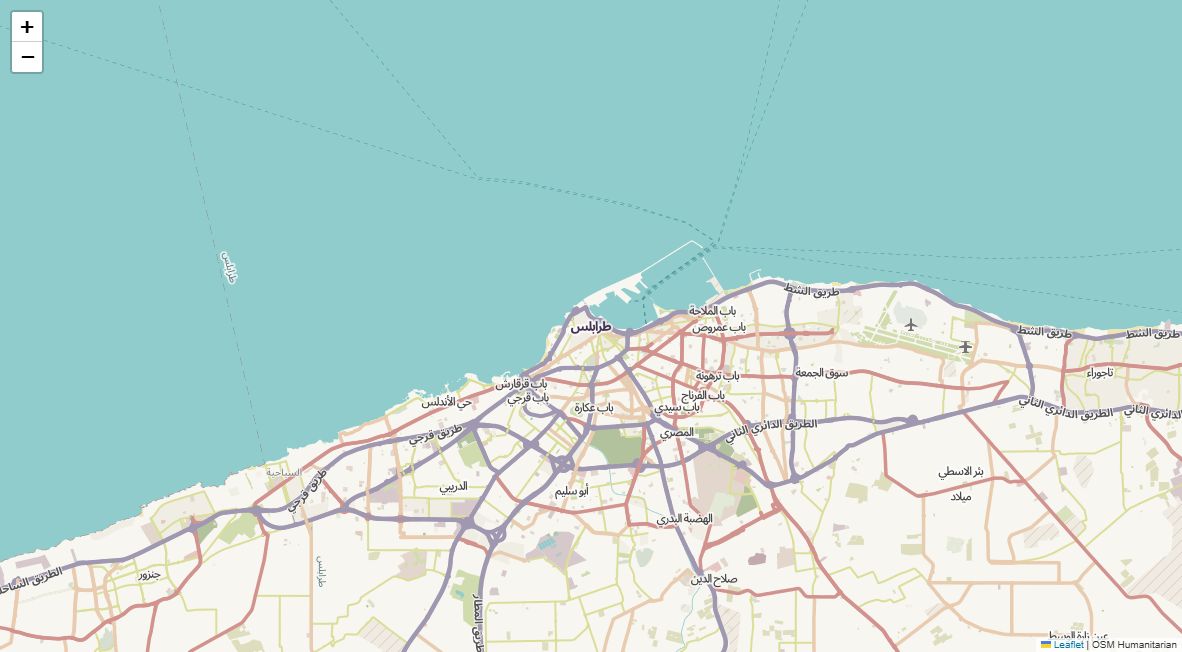
Tripoli 2026: An Elite Explorer's Guide & Cultural Maps
City Vibe – 2026 Pulse
- Historic Medina's vibrant energy
- Mediterranean coastal calm
- Emerging arts and café culture
- Warm, welcoming local populace
- Blend of ancient and modern resilience
Local Flavors – Gastronomic Delights
- Assida with honey and butter
- Bazeen, a hearty staple
- Shorba Libiya (Libyan soup)
- Magroud (date-filled cookies)
- Fresh seafood by the harbor
Pro Tips – Navigating Tripoli
- Hire a reputable local guide for historical sites.
- Dress modestly, especially when visiting religious sites.
- Bargain respectfully in the souks.
- Learn basic Arabic phrases for better engagement.
- Stay informed on local advisories and events.
POPULATION GROWTH (IN THOUSANDS)
Lifestyle & Interest Scores
LOCAL SECRETS UNVEILED: TRIPOLI
Rediscovering the Old City: A Labyrinth of Legacy
Tripoli’s Old City, or Medina, is the undisputed heart of its historical narrative. In 2026, its labyrinthine alleys continue to beckon, promising a journey through time. Begin your exploration at the iconic Arch of Marcus Aurelius, a stunning Roman triumphal arch dating back to 163 AD, remarkably preserved amidst the bustling modern city. From there, lose yourself in the souks – the vibrant marketplaces where the scent of spices, leather, and traditional perfumes fills the air. Here, skilled artisans ply their trades, offering everything from intricate gold jewelry and hand-woven carpets to aromatic herbs and traditional clothing. Don’t miss the opportunity to visit the Gurgi Mosque, an exquisite 19th-century Ottoman masterpiece with stunning tile work and marble columns. The sheer resilience of these structures, standing testament to centuries of change, offers a profound sense of connection to Tripoli’s enduring spirit. Engaging with local vendors, sharing a cup of mint tea, and observing daily life unfold in this ancient setting provides an unparalleled cultural immersion that few other cities can offer.
Coastal Charms and Modern Aspirations
Beyond the ancient walls, Tripoli stretches along the azure waters of the Mediterranean, offering a different facet of its appeal. The city’s Corniche, a scenic coastal promenade, provides breathtaking views of the harbor and the expansive sea. It’s a popular spot for evening strolls, where families gather and friends share conversations over fresh juice. In 2026, you’ll find an increasing number of modern cafes and restaurants dotting this stretch, offering contemporary twists on Libyan cuisine alongside international flavors. The contrast between the timeless beauty of the Mediterranean and the city’s gradual embrace of modernity is particularly striking here. Consider a short boat trip from the harbor to gain a unique perspective of Tripoli’s skyline, with its ancient fortresses standing proudly against newer developments. The fishing port itself is a hive of activity, especially in the early morning, offering a glimpse into the livelihoods sustained by the sea and a chance to witness the daily catch being brought in.
Cultural Immersion: Museums, Arts, and Hospitality
Tripoli’s cultural landscape extends far beyond its historical sites. The Red Castle Museum (Assaraya Alhamra Museum), housed within a magnificent fortress that dates back to Roman times, offers an unparalleled collection of artifacts spanning various periods of Libyan history, from prehistoric tools to Roman mosaics and Islamic art. It’s an essential visit for anyone seeking to understand the deep historical layers of the region. For a more contemporary cultural experience, explore the emerging art scene. While still developing, small galleries and cultural centers are beginning to showcase local artists and their interpretations of modern Libyan identity. However, the truest form of cultural immersion in Tripoli lies in its people. Libyan hospitality is legendary; locals are genuinely welcoming and eager to share their traditions and stories. Engaging in conversation, perhaps over a traditional meal in a local home, provides insights that no guidebook can replicate. Seek out opportunities to learn about traditional music, storytelling, and craftsmanship, which are deeply ingrained in the fabric of society.
Beyond the City: Day Trips into Libyan Splendor
An elite traveler’s visit to Tripoli in 2026 would be incomplete without venturing beyond the city limits to explore Libya’s extraordinary archaeological treasures. A day trip to Leptis Magna, a UNESCO World Heritage site, is an absolute must. This incredibly well-preserved Roman city, located about 130 km east of Tripoli, boasts a magnificent arch of Septimius Severus, a grand theatre, a forum, and stunning bath complexes. Walking through its ancient streets feels like stepping back 2,000 years. Another remarkable site, though further afield, is Sabratha, also a UNESCO site, famous for its beautifully restored Roman theatre overlooking the sea. These sites offer a powerful testament to the region’s historical significance and the grandeur of its past civilizations. Ensure you arrange these excursions with reputable local tour operators who are knowledgeable about security protocols and logistics, ensuring a safe and enriching experience. The journey itself provides glimpses of the diverse Libyan landscape, from coastal plains to the fringes of the desert.
The Future Face of Tripoli: Resilience and Renewal
Tripoli in 2026 stands as a testament to resilience and a quiet sense of renewal. While challenges remain, the city is actively working towards stability and showcasing its potential as a vibrant cultural and economic hub. Infrastructure projects are gradually enhancing urban amenities, and there’s a palpable sense of optimism among its inhabitants. For the discerning traveler, this means experiencing a city that is authentically itself, unburdened by mass tourism, and offering a raw, unfiltered glimpse into Libyan life. Investment in cultural preservation is evident, ensuring that its historical treasures are maintained for future generations. The city’s energy is one of understated pride, a deep connection to its past, and a cautious but hopeful eye towards the future. By choosing Tripoli, you are not just visiting a destination; you are partaking in its journey of rediscovery, contributing to its positive narrative, and leaving with a profound appreciation for a city that continues to defy expectations.
Table of Contents
