
Algiers Maps & Guides
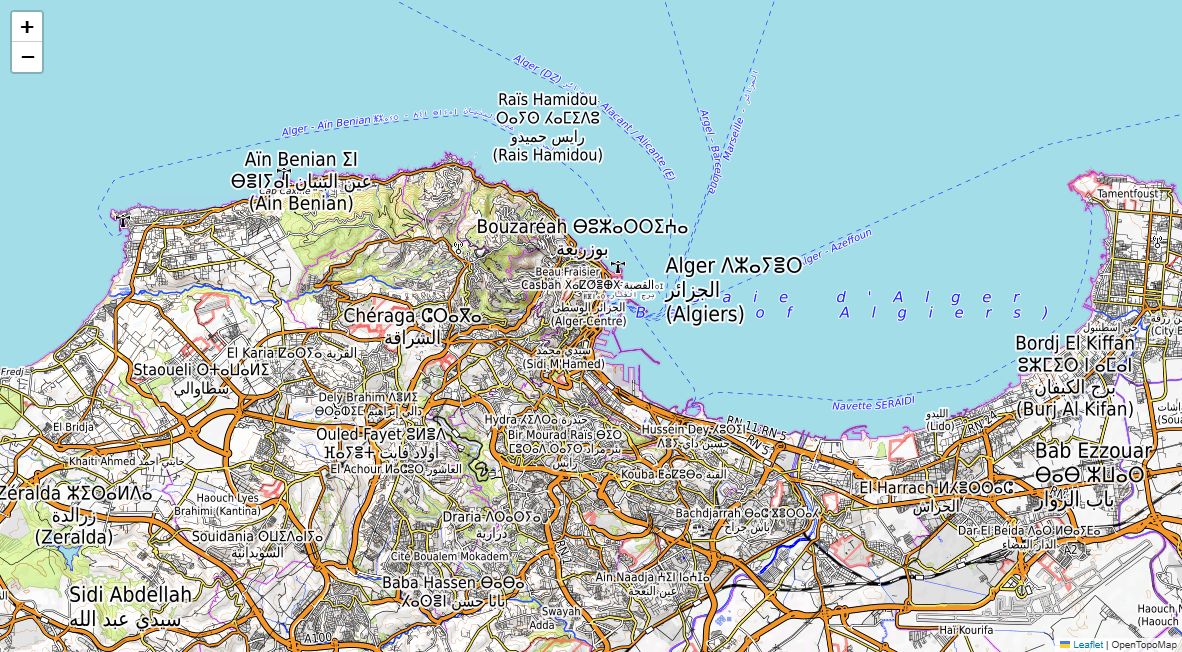
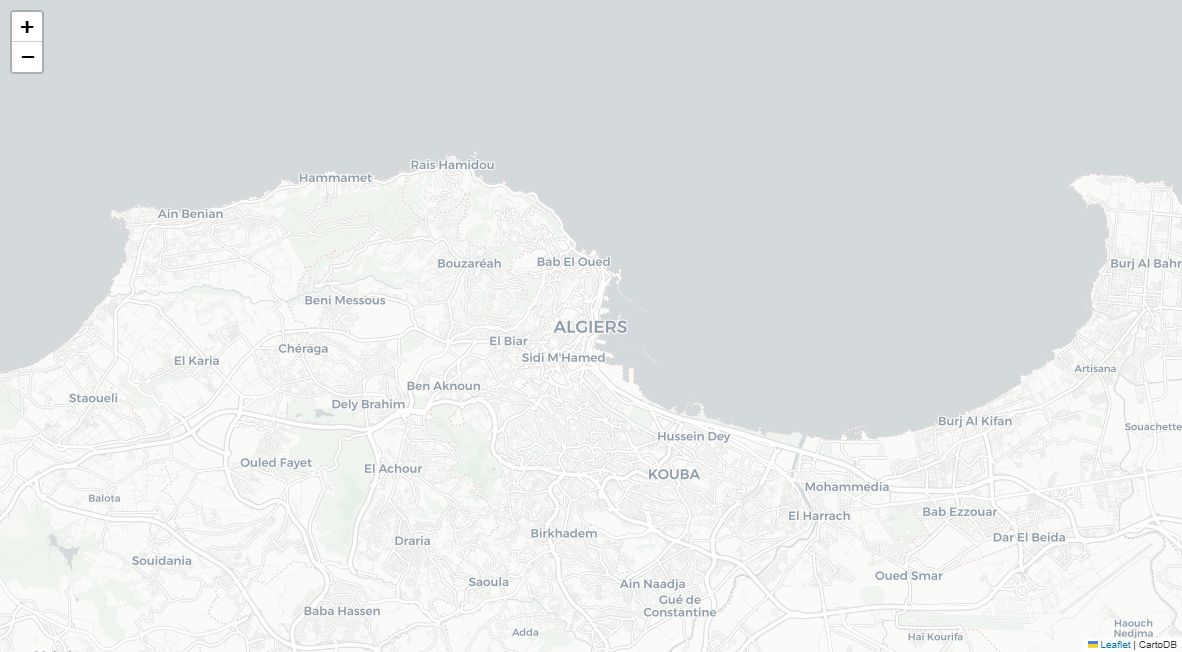
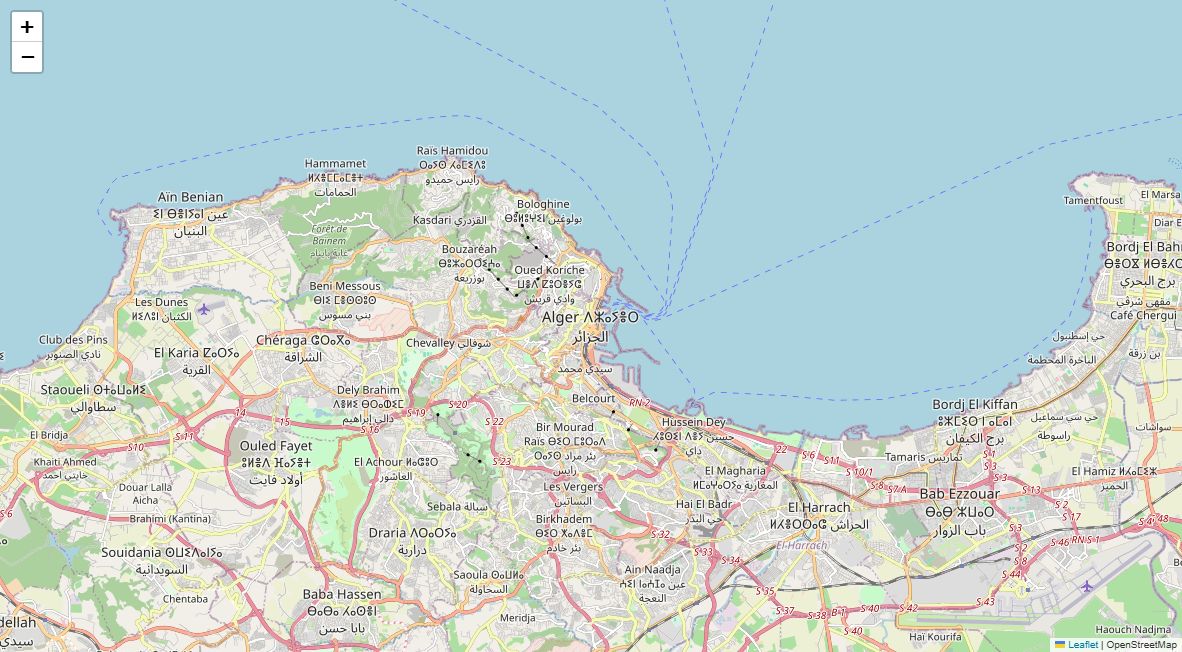
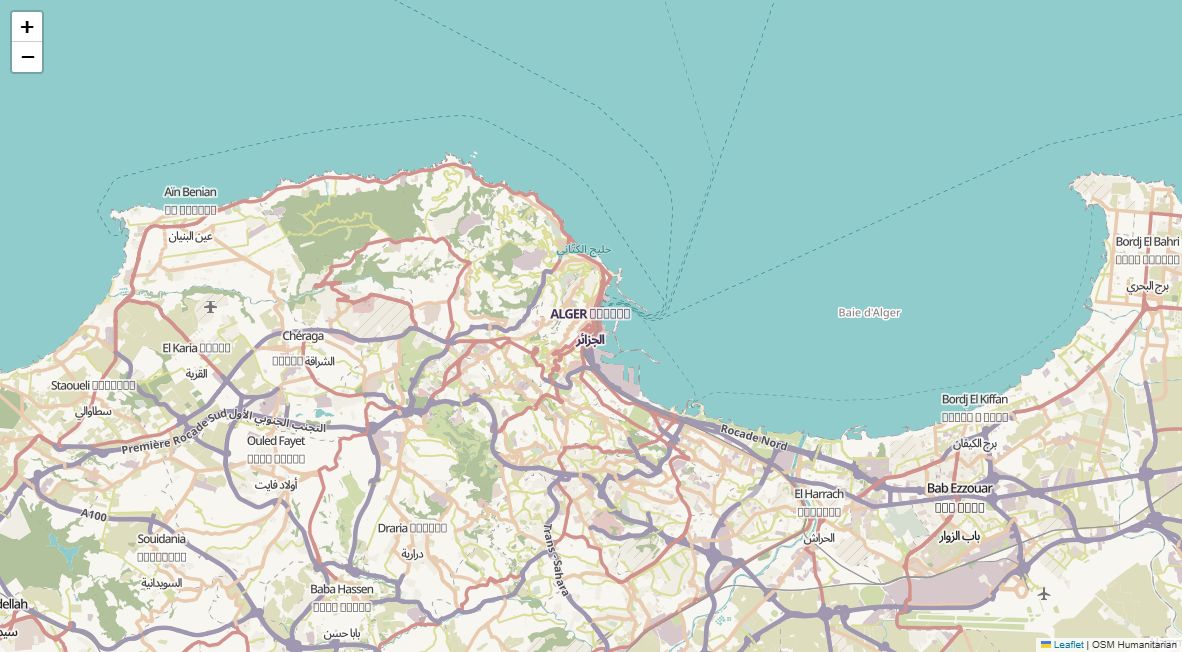
Algiers 2026: Navigating the Mediterranean Gem – Your Elite Explorer's Maps
City Vibe
- Historic Charm meets Modernity
- Lively Souks and Bustling Cafes
- Panoramic Coastal Views
- Deep-rooted Berber & Arab Culture
- Resilient and Welcoming Locals
Local Flavors
- Couscous Royal: The national dish perfected.
- Chakchouka: Savory tomato and egg stew.
- Mhadjeb: Flaky semolina crepes, often spicy.
- Tajine: Slow-cooked stews with rich spices.
- Mint Tea & Zlabia: Sweet, refreshing rituals.
Pro Tips
- Learn Basic Arabic/French: Enhances local interaction.
- Dress Modestly: Respect local customs, especially in religious sites.
- Bargain in Souks: It's part of the experience.
- Carry Small Bills: For local vendors and taxis.
- Stay Hydrated: Especially during warmer months.
POPULATION GROWTH (IN THOUSANDS)
Lifestyle & Interest Scores
LOCAL SECRETS UNVEILED: ALGIERS
Welcome to Algiers 2026: A City Reimagined
Algiers, “El Bahdja” (the Joyful), is more than just a capital; it’s a living museum, a bustling port, and a city gracefully balancing its profound past with an eye towards a dynamic future. By 2026, Algiers has solidified its position as a cultural hub, with significant investments in infrastructure and heritage, enhancing its appeal to international visitors. The city’s Mediterranean climate, with mild, wet winters and hot, dry summers, ensures pleasant travel for much of the year. Travelers arriving will notice an air of understated elegance, a blend of traditional hospitality and evolving modernity. This isn’t a city that shouts for attention; it quietly captivates with its layered history, stunning architecture, and the genuine warmth of its people. From panoramic views across the bay to the vibrant street life, Algiers promises an immersive experience far removed from the well-trodden tourist paths, offering a unique window into a truly distinctive North African metropolis.
Navigating the Casbah and Beyond: Historic Heartbeat
No visit to Algiers is complete without getting lost in the ancient Kasbah. A UNESCO World Heritage site, this labyrinthine citadel dates back to the 17th century, a maze of narrow streets, hidden staircases, and Ottoman-era palaces. It’s a place where time seems to stand still, offering glimpses into centuries of Algerian life. Explore historical mosques like the Ketchaoua Mosque, a marvel of Ottoman and Byzantine architecture, and Sidi Abderrahmane Mosque, a revered Sufi sanctuary. Beyond the Casbah, the city boasts other significant landmarks. The majestic Notre Dame d’Afrique Basilica, perched atop a cliff overlooking the bay, offers breathtaking views and a poignant message: “Notre Dame d’Afrique priez pour nous et pour les Musulmans” (Our Lady of Africa, pray for us and for the Muslims). The Martyrs’ Memorial (Maqam Echahid), a towering concrete monument symbolizing Algeria’s struggle for independence, stands as a powerful reminder of the nation’s history. For a deeper dive into Algerian artistry, the Bardo National Museum of Prehistory and Ethnography, housed in a beautiful Moorish villa, showcases artifacts from prehistoric times to Ottoman-era crafts. These sites together weave a rich tapestry of Algeria’s past, inviting visitors to connect with its profound narrative.
Culinary Delights: A Taste of Algerian Fusion
Algiers’ culinary scene in 2026 is a delightful fusion of Berber, Arab, French, and Mediterranean influences, promising an authentic gastronomic journey. The cornerstone of Algerian cuisine is, of course, couscous, prepared in myriad ways with tender meats, fresh vegetables, and aromatic spices. Seek out “Couscous Royal,” a hearty dish featuring lamb, chicken, and often merguez sausages, simmered to perfection. For a lighter, yet equally flavorful option, try “Chakchouka,” a vibrant stew of tomatoes, peppers, onions, and poached eggs, perfect for breakfast or a light lunch. Street food is king in Algiers’ bustling markets; don’t miss “Mhadjeb,” thin, savory semolina crepes filled with a spicy tomato and onion mixture, or “Karantika,” a chickpea-flour cake popular as a quick snack. Seafood lovers will rejoice in the fresh catches from the Mediterranean, often simply grilled with olive oil and lemon. Wash it all down with strong, sweet mint tea, a ubiquitous symbol of Algerian hospitality, or try local fruit juices. For a sweet treat, “Zlabia” (fried dough soaked in syrup) or various pastries flavored with honey and almonds are exquisite. Dining in Algiers is not just about food; it’s a social ritual, a shared experience of warmth and flavor.
Modern Metamorphosis: Art, Architecture, and Coastal Charms
While its historical core remains sacred, Algiers is continuously evolving, showcasing a modern metamorphosis evident in its contemporary architecture, burgeoning art scene, and revitalized coastal areas. The city boasts impressive examples of French colonial architecture, particularly along the grand boulevards like Rue Didouche Mourad, with its elegant Haussmannian buildings, grand cafes, and upscale boutiques. However, 2026 sees new cultural institutions and public spaces adding to its dynamic character. The Algerian National Museum of Fine Arts, one of the largest in Africa, houses an extensive collection of Algerian and European art. Recent urban development projects have enhanced the city’s waterfront, offering beautiful promenades for strolls, stunning bay views, and a vibrant evening atmosphere. The Botanical Garden Hamma, a sprawling oasis established in the 19th century, offers a tranquil escape with its diverse flora, exotic trees, and charming pathways – a testament to the city’s green initiatives. These contemporary facets blend seamlessly with Algiers’ historical fabric, making it a multifaceted destination where past and present coexist in a harmonious, compelling narrative.
Beyond the City Limits: Day Trips and Desert Whispers
Algiers serves as an excellent base for exploring the diverse landscapes and historical wonders that lie just beyond its bustling center. A popular day trip takes you to Tipaza, a coastal town approximately 70 kilometers west, home to magnificent Roman ruins overlooking the Mediterranean Sea. Wander through the remains of an amphitheater, basilicas, and a forum, all against a stunning backdrop of azure waters. Further afield, but still accessible for ambitious day-trippers, are the ancient Roman cities of Cherchell and Djemila. Djemila, another UNESCO World Heritage site, is particularly renowned for its remarkably preserved ruins, including temples, basilicas, and triumphal arches, offering an unparalleled glimpse into Roman Africa. For those seeking adventure and a taste of Algeria’s vast interior, organized tours to the Atlas Mountains provide opportunities for hiking and experiencing Berber village life. While the Sahara requires a more extended excursion, its distant majesty beckons from the Tell Atlas foothills. These excursions offer a profound contrast to the urban vibrancy of Algiers, enriching your understanding of Algeria’s geographical and historical depth, making your elite journey truly comprehensive.
Table of Contents
