
Lilongwe Maps & Guides
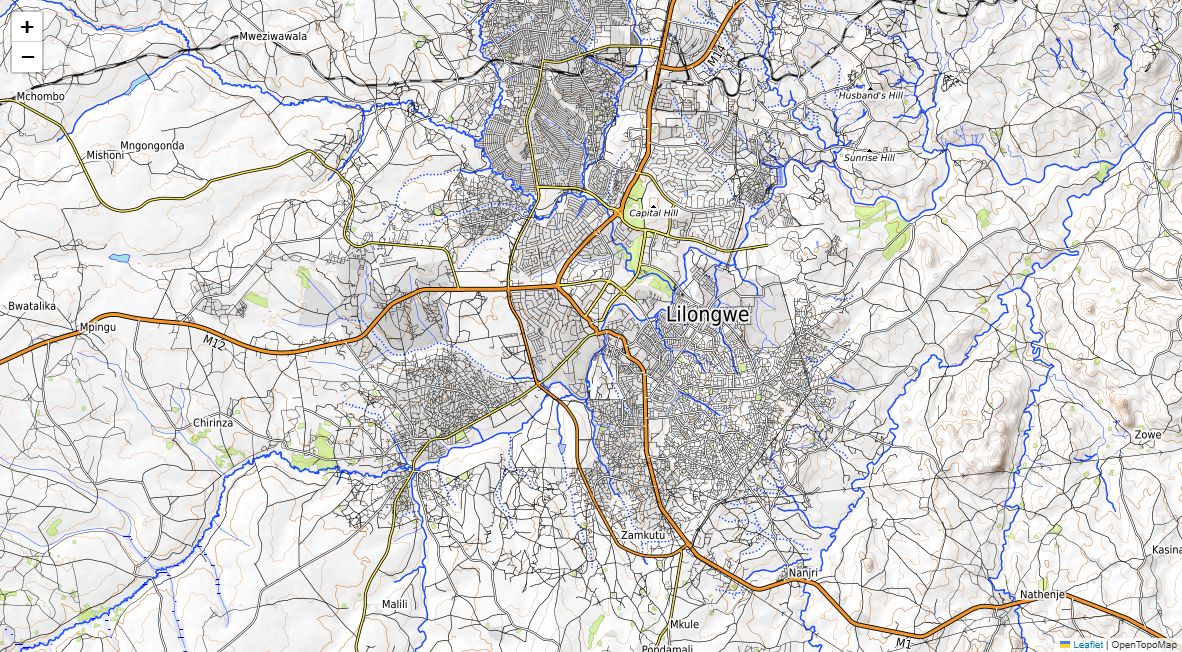
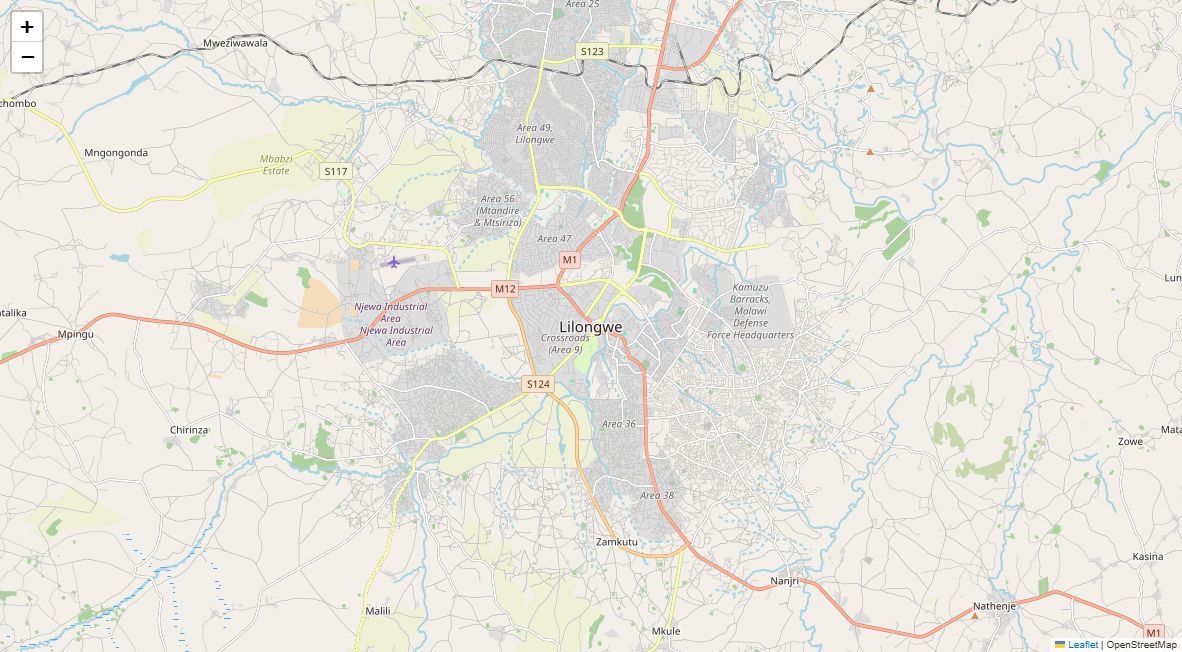
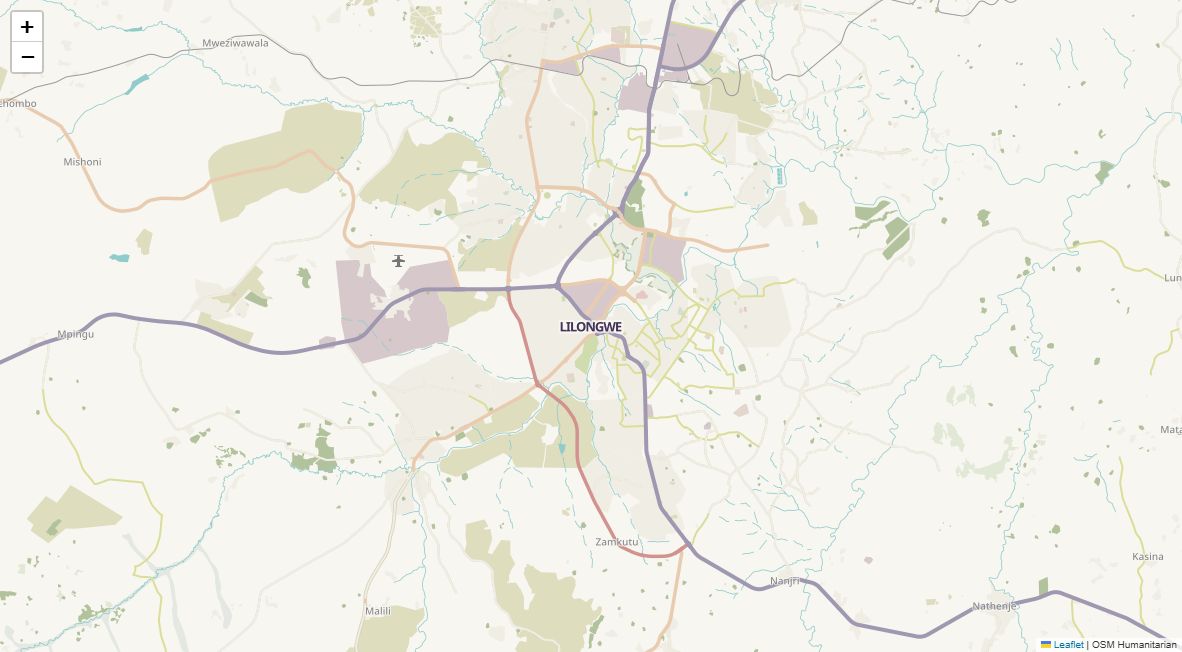
Lilongwe 2026: An Elite Traveler's Guide & Cultural Maps
City Vibe
- Vibrant Local Markets
- Tranquil Botanical Gardens
- Friendly Local Interactions
- Developing Urban Landscape
- Gateway to Malawian Nature
Local Flavors
- Nsima with Relish
- Chambo Fish Delicacies
- Mphunga (Rice) Dishes
- Mandasi (Malawian Doughnuts)
- Local Craft Beer & Sodas
Pro Tips
- Embrace the Local Pace
- Bargain Respectfully in Markets
- Learn Basic Chichewa Phrases
- Stay Hydrated, Especially Outdoors
- Use Reputable Taxi Services
POPULATION GROWTH (IN THOUSANDS)
Lifestyle & Interest Scores
LOCAL SECRETS UNVEILED: LILONGWE
Lilongwe in 2026: An Emerging Gem
By 2026, Lilongwe has solidified its reputation as a significant hub for both commerce and culture in Southern Africa, while meticulously preserving its unique Malawian charm. Unlike the bustling metropolises of other regions, Lilongwe offers a more laid-back, yet equally engaging, experience. The city is broadly divided into Old Town, with its traditional markets and buzzing local life, and New Town, home to modern government buildings, embassies, and a growing number of upscale accommodations and dining establishments. This fascinating duality allows visitors to seamlessly transition between immersive cultural experiences and contemporary comforts. Infrastructure improvements, including enhanced road networks and a more streamlined digital presence for tourism services, have made navigating the city and planning excursions significantly easier. The commitment to sustainable tourism is also more evident than ever, with many local businesses adopting eco-friendly practices. Travelers arriving in 2026 will find a city that is not just welcoming, but also increasingly efficient and sophisticated, without losing its authentic character. It’s a place where genuine smiles and warm hospitality are the norm, setting the stage for an unforgettable exploration. The strategic location of Lilongwe also makes it an ideal base for exploring the wider wonders of Malawi, from the shores of Lake Malawi to the national parks teeming with wildlife.
Immersing in Malawian Culture: Markets and Traditions
No elite travel guide to Lilongwe would be complete without a deep dive into its rich cultural landscape. In 2026, the city’s markets remain the beating heart of local life, offering an unparalleled sensory experience. The Lilongwe Old Town Market, a sprawling labyrinth of stalls, is a must-visit. Here, you’ll find everything from vibrant chitenge fabrics and intricate wood carvings to fresh produce and local spices. Engage with the friendly vendors, practice your Chichewa phrases, and perhaps even haggle gently for a unique souvenir. Beyond the markets, cultural centers and local art galleries in areas like Area 3 and Area 47 showcase contemporary Malawian art, offering a different perspective on the nation’s creative spirit. Consider visiting during one of the city’s increasingly popular cultural festivals, which by 2026 are often well-advertised and professionally organized, offering traditional music, dance, and storytelling performances. For a truly unique experience, inquire about community-based tourism initiatives that allow visitors to spend time in local villages near Lilongwe, gaining insights into traditional Malawian customs, cooking practices, and daily life. These interactions, facilitated by reputable local tour operators, are not just memorable but also contribute directly to local economies, embodying the spirit of responsible tourism that is increasingly championed in Malawi.
Nature’s Embrace: Parks, Reserves, and Nearby Escapes
Despite its urban growth, Lilongwe remains remarkably close to nature, providing ample opportunities for relaxation and adventure. The Lilongwe Wildlife Centre, a pioneering sanctuary, continues its vital work in 2026, rescuing and rehabilitating wild animals. A visit here is both educational and deeply moving, offering close encounters with rescued primates, antelopes, and various bird species. The center also provides insights into conservation efforts and allows visitors to connect with Malawi’s biodiversity. For those seeking tranquility within the city limits, the serene Lilongwe Botanical Gardens offer a peaceful retreat with diverse plant species and well-maintained walking paths. Beyond the city, Lilongwe serves as an excellent springboard for excursions. A short drive will take you to the Chongoni Rock Art Area, a UNESCO World Heritage site featuring ancient rock paintings that tell stories of Malawi’s distant past. Further afield, but easily accessible for a day trip or an overnight stay, are destinations like Lake Malawi, offering pristine beaches and world-class freshwater snorkeling and diving, or the Nkhotakota Wildlife Reserve, which by 2026 boasts a significantly boosted wildlife population thanks to successful conservation initiatives. Whether you crave a leisurely stroll amidst greenery or an immersive safari adventure, Lilongwe’s surroundings cater to every nature enthusiast.
A Taste of Malawi: Culinary Delights and Dining
Lilongwe’s culinary scene in 2026 is a delightful blend of authentic Malawian flavors and burgeoning international influences. While traditional dishes remain central, modern eateries are also making their mark. The cornerstone of Malawian cuisine is ‘Nsima’, a thick porridge made from maize flour, typically served with a variety of relishes such as ‘ndiwo’ (leafy greens), ‘utaka’ (small fried fish), or meat stews. For the elite traveler, several restaurants in New Town offer refined versions of these classics in elegant settings. Don’t miss the opportunity to try ‘Chambo’, a delicious tilapia fish sourced from Lake Malawi, often grilled to perfection. Beyond traditional fare, the city now boasts a wider selection of international restaurants, ranging from Indian and Chinese to Italian and contemporary fusion, particularly in areas like Area 10 and Area 43. Coffee culture is also on the rise, with chic cafes serving locally grown Malawian coffee, known for its rich aroma and smooth finish. For those who enjoy a local beverage, sampling Malawian gin or a locally brewed beer is a must. Engaging in a cooking class, easily arranged through many guesthouses or local operators, offers a hands-on way to learn about the ingredients and techniques behind Malawi’s soulful cuisine, providing a truly interactive and delicious cultural immersion.
The Future of Lilongwe: Embracing Progress
As we look towards the future from the vantage point of 2026, Lilongwe is clearly a city in motion, balancing tradition with progressive development. The ongoing urban planning initiatives aim to enhance green spaces, improve public amenities, and further integrate sustainable practices into the city’s growth. Investment in technology and connectivity continues, making Lilongwe an increasingly accessible and convenient destination for international travelers. The hospitality sector, in particular, is witnessing a surge in boutique hotels and eco-lodges that cater to discerning tastes, offering luxurious stays with a strong commitment to local community engagement and environmental stewardship. By choosing Lilongwe in 2026, you are not just visiting a destination; you are partaking in the journey of a nation defining its modern identity while fiercely protecting its heritage. The warmth of its people, the beauty of its landscapes, and the vibrancy of its culture converge to create an experience that is both authentic and profoundly rewarding. Prepare to be enchanted by Lilongwe’s gentle charm and inspired by its promising future, making it an essential stop on any elite African itinerary.
Table of Contents
