
Antananarivo Maps & Guides
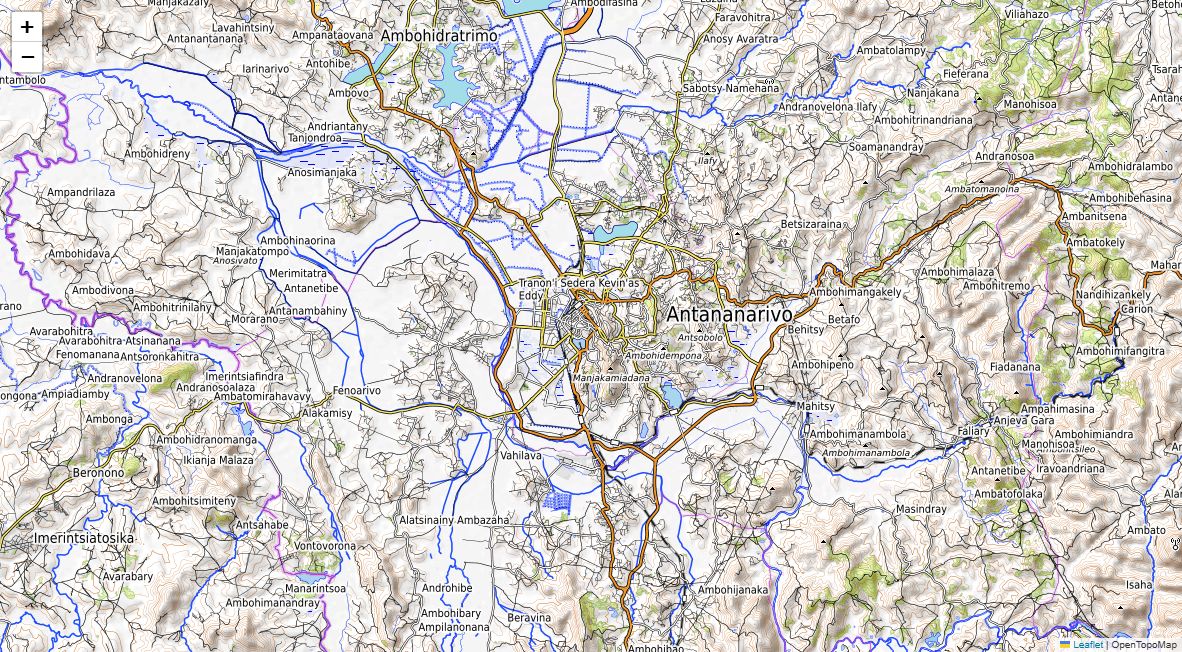
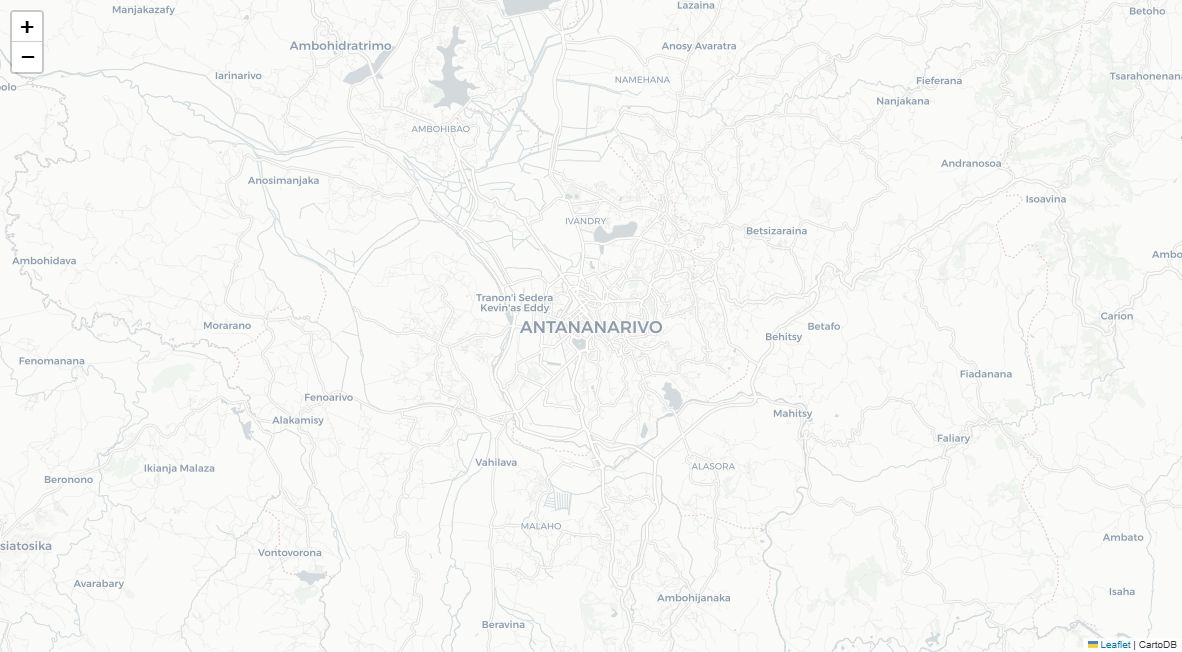
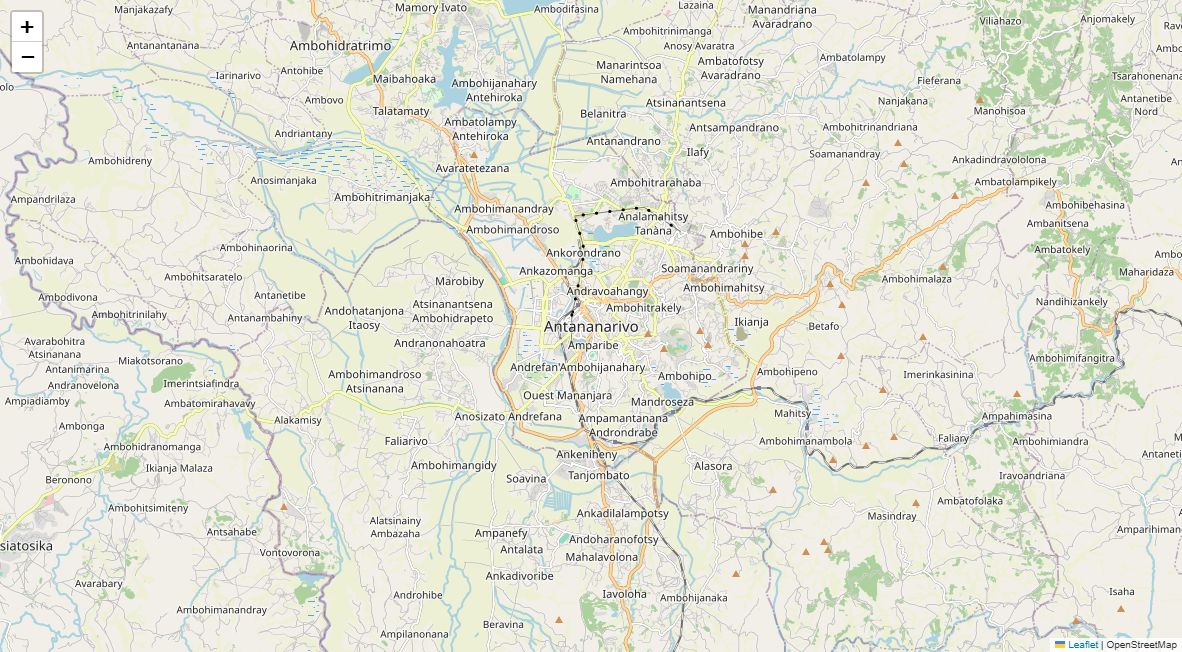
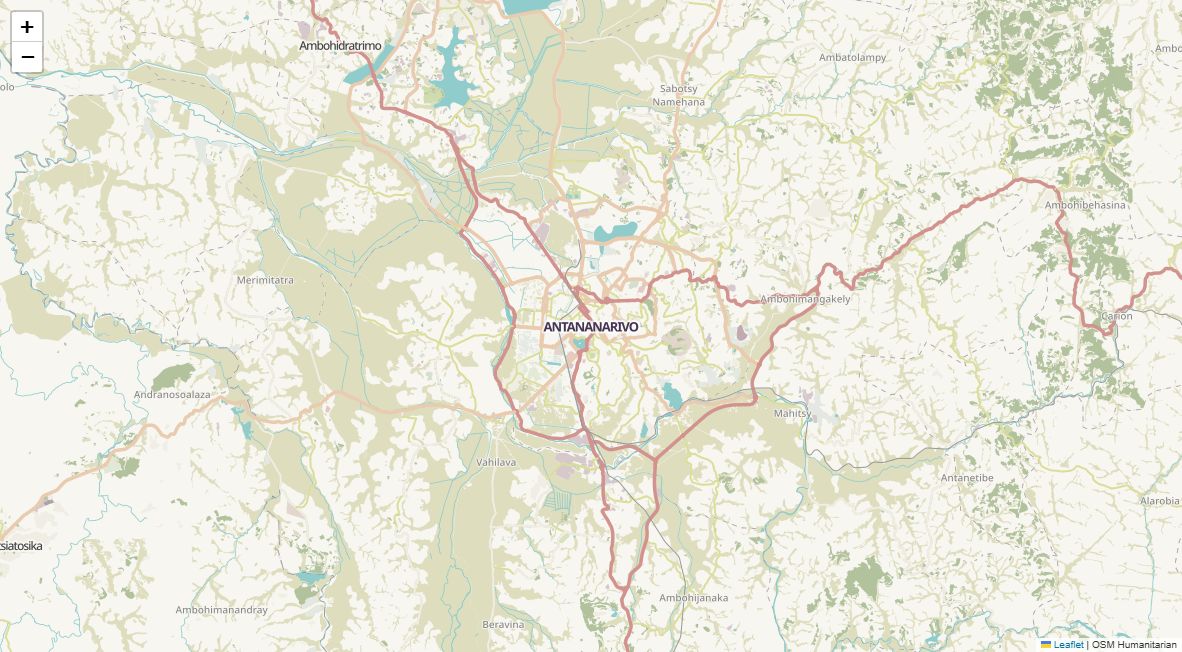
Antananarivo 2026: An Elite Traveler's Guide & Cultural Maps
City Vibe
- Historic highlands capital with French colonial charm
- Bustling markets, rich in artisan crafts and local produce
- Dramatic multi-tiered urban landscape on undulating hills
- A resilient and welcoming Malagasy spirit permeates
- Strategic gateway to Madagascar's unique biodiversity
Local Flavors
- Romazava: The national dish, a hearty beef and green stew
- Ravitoto: Finely ground cassava leaves cooked with pork or beef
- Koba Akondro: Sweet banana and peanut cake wrapped in leaves
- Zebu dishes: Various preparations of Malagasy beef, a staple
- Exotic fruits: Abundance of fresh, unique tropical produce
Pro Tips
- Always negotiate taxi fares before commencing your journey
- Learn basic Malagasy greetings ('Salama') for warm interactions
- Carry smaller denominations for seamless market purchases
- Stay hydrated and utilize sun protection, especially in highlands
- Support local economy by purchasing directly from artisans
POPULATION GROWTH (IN THOUSANDS)
Lifestyle & Interest Scores
LOCAL SECRETS UNVEILED: ANTANANARIVO
Welcome to the Highlands Capital: Antananarivo in 2026
Antananarivo, or Tana as it’s familiarly known, stands proudly as the vibrant, pulsating capital of Madagascar. For the discerning traveler in 2026, Tana offers a captivating introduction to the island nation’s distinctive blend of African, Asian, and European influences. Built across several hills, the city’s topography is a defining characteristic, with multi-layered streets, grand staircases, and historic structures clinging to the slopes, creating a dramatic and picturesque urban landscape. The Rova of Antananarivo, the former royal palace complex, majestically overlooks the city, serving as a constant reminder of Madagascar’s rich monarchical past.
Beyond its historical grandeur, Tana in 2026 is a city in constant evolution. While deeply rooted in tradition, it embraces modernity with a growing number of boutique hotels, gourmet restaurants showcasing exquisite Malagasy fusion cuisine, and contemporary art spaces. The air is often filled with the cacophony of zebu carts, bustling marketplaces, and the melodic strains of local music, creating an immersive sensory experience. Navigating Tana requires an appreciation for its chaotic charm, but for those willing to dive in, the rewards are immense. The city acts as a perfect base for day trips to surrounding areas, offering a taste of Madagascar’s famed natural beauty, from the lemurs of Analamazoatra Reserve to the volcanic landscapes of Lac Anosy. This guide helps you unlock the secrets of Tana, ensuring a journey that combines luxury, cultural depth, and unforgettable adventure.
Navigating Tana: Transport, Markets, and Hidden Gems
Exploring Antananarivo is an adventure in itself, a journey through a living museum where every corner reveals a new facet of Malagasy life. The city’s unique geography necessitates a mix of transportation. Taxis, identifiable by their light cream color, are plentiful; ensure to negotiate the fare before starting your journey, or utilize ride-hailing apps that are gaining traction for transparency. For those seeking an authentic local experience, the “taxi-be” (local buses) offer a colorful, if crowded, way to traverse the city, though often challenging for first-time visitors. Walking is highly recommended in certain districts, particularly in the Upper Town (Haute-Ville), where narrow, cobbled streets lead to panoramic viewpoints and charming cafes.
The markets of Tana are the city’s pulsating arteries, offering a kaleidoscope of sights, sounds, and smells. Analakely Market is a bustling hub where you can find everything from fresh produce to traditional medicines and handicrafts. Dig a little deeper, and you’ll discover specific artisan markets like La Digue, renowned for its exquisite Malagasy crafts, including wood carvings, raffia goods, and precious stones. Beyond the main thoroughfares, Tana hides several gems. The Tsimbazaza Zoo and Botanical Garden offers a chance to see some of Madagascar’s endemic wildlife, including various lemur species, chameleons, and unique flora, all within the city limits. Seek out local art galleries showcasing emerging Malagasy talent, or enjoy a peaceful moment in one of the city’s lesser-known parks, offering respite from the urban buzz. Don’t shy away from asking locals for their favorite spots; often, the most memorable experiences are found off the beaten path.
Culinary Journeys: Tastes of Madagascar in the City
The culinary scene in Antananarivo in 2026 is a delectable fusion of indigenous Malagasy traditions, French colonial influences, and a growing international palate. For the elite traveler, Tana offers a chance to indulge in authentic flavors ranging from sophisticated fine dining to vibrant street food. Malagasy cuisine is characterized by its use of fresh, local ingredients, often centered around rice, which is considered sacred, accompanied by a *laoka* (side dish).
Must-try dishes include *Romazava*, a hearty beef stew with leafy greens, often served with a chili condiment; *Ravitoto*, finely ground cassava leaves cooked with pork or beef; and *Lasary*, a refreshing salad of green beans, carrots, and potatoes with a vinaigrette. For a unique sweet treat, seek out *Koba Akondro*, a banana and peanut cake wrapped in banana leaves.
Tana boasts a variety of dining experiences. High-end restaurants such as “La Varangue” or “Chez Mariette” offer exquisite interpretations of Malagasy and international dishes in elegant settings, often with stunning city views. These establishments frequently incorporate local spices and ingredients like vanilla, pink peppercorns, and freshly caught seafood (flown in from the coast) to create truly memorable meals. Don’t overlook the smaller, family-run *hotely* (local eateries) for an authentic and affordable taste of everyday Malagasy life, especially for breakfast with *mofo gasy* (Malagasy bread) and coffee. For those looking for an immersive experience, consider a cooking class to learn the secrets of Malagasy culinary heritage firsthand. Fresh, locally sourced produce and exotic fruits are abundant in the markets, inviting you to explore the ingredients that make this cuisine so distinct.
Cultural Immersion & Adventure: History, Arts, and Beyond
Antananarivo is a treasure trove of Malagasy history and culture, offering deep insights into the island’s past and present. Start your cultural journey at the Rova of Antananarivo, the iconic royal palace complex. Though partially rebuilt after a fire, its historical significance and commanding views over the city remain unparalleled. Nearby, the Andafiavaratra Palace, another former royal residence, now houses a museum with royal artifacts. Delve into the country’s spiritual heritage by visiting a traditional Malagasy tomb or understanding the concept of *Fady* (taboos) that govern many aspects of life.
Beyond the historical sites, Tana’s artistic scene is quietly thriving. Explore galleries showcasing contemporary Malagasy art, which often blends traditional motifs with modern expressions. Live music venues frequently feature *hira gasy*, a traditional form of musical theater, or contemporary Malagasy pop and folk music, offering an authentic evening’s entertainment.
For the adventure enthusiast, Tana serves as an ideal launchpad. While the city itself is not teeming with extreme sports, its immediate surroundings offer ample opportunities. A short drive will take you to Parc National de Lemurs Atsinanana, or similar private reserves, where you can witness various lemur species in their natural or semi-natural habitats. Hiking and trekking opportunities abound in the highlands, offering breathtaking landscapes and encounters with unique flora and fauna. Consider a guided trip to explore the rice paddies and traditional villages just outside the city, providing a glimpse into rural Malagasy life. For those seeking adrenaline, white-water rafting on some of Madagascar’s rivers can be arranged, though usually further afield. Remember that Madagascar’s true adventure often lies in embracing the unexpected and connecting with nature.
Sustainable Exploration: Responsible Tourism for the Future
As an elite traveler in Antananarivo in 2026, embracing sustainable and responsible tourism practices is not just a trend but a necessity. Madagascar’s unique biodiversity and fragile ecosystems demand thoughtful engagement from visitors. Opting for accommodations that prioritize environmental sustainability, employ local staff, and contribute to community development is a crucial first step. Many high-end lodges and hotels in Tana and surrounding areas are increasingly adopting eco-friendly practices, from waste management to energy conservation.
When engaging with local communities, always seek to support local artisans and businesses directly. Purchase handicrafts from small vendors or cooperatives, and dine at restaurants that source ingredients locally, thereby ensuring your tourism dollars directly benefit the Malagasy people. Be mindful of your environmental footprint: minimize plastic use, conserve water, and adhere to “leave no trace” principles, especially during excursions into nature reserves.
Moreover, responsible tourism extends to cultural sensitivity. Respect local customs and traditions, such as asking for permission before taking photographs of people, and learning a few basic Malagasy phrases – a small effort that goes a long way in fostering positive interactions. Consider engaging with local non-profits or conservation organizations that focus on reforestation, lemur protection, or community empowerment. Many tour operators now offer itineraries that integrate educational components about Madagascar’s environmental challenges and successes. By choosing to travel consciously, you not only enrich your own experience but also contribute positively to the preservation of Antananarivo’s unique charm and Madagascar’s invaluable natural heritage for generations to come. Your journey through Tana can be a powerful force for good.
Table of Contents
