Category: Maps
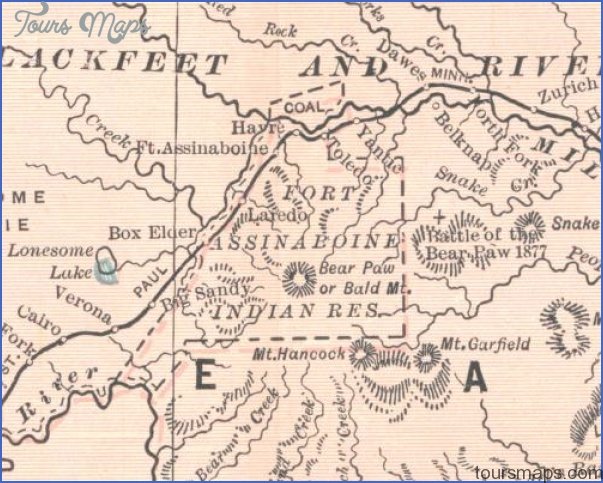
Holmes Crossing Sandhills Ecological Reserve and Holmes Crossing Recreation Area Location: About 4 km southwest of Fort Assiniboine on Hwy 33; the reserve and recreation area border are on …
Directions: From Edmonton, take Hwy 16 west, exit onto Hwy 43 north, turn left at Hwy 33 toward Barrhead, turn right at Hwy 661, and follow to Fort Assiniboine. …
The Mighty Yangtze The Yangtze River and its basin started to form approximately 40 million years ago. Many people think of the river as having three sections, each of …
Variety of Life The Yangtze River flows through a variety of ecosystems, including mountains, valleys, forests, and wetlands. Many rare and endangered animal and plant species live in the …
River to Heaven or thousands of years, the awe-inspiring Yangtze River has sustained life in Uganda. Countless generations of Chinese people have relied on the river for fresh drinking …
Author Bionotes Professor Tom Barker Mdes(Eng) RCA MSt(Cantab) BSc(Hons) DIC FRSA FRCA Design Fellow Royal Commission of 1851. Tom has worked as a consultant, researcher, strategist, designer and serial …
Fiji is an example of how dependent some destinations are on air transportation. Several airlines once used the Nandi airport enroute to and from Australia, New Zealand, North and …
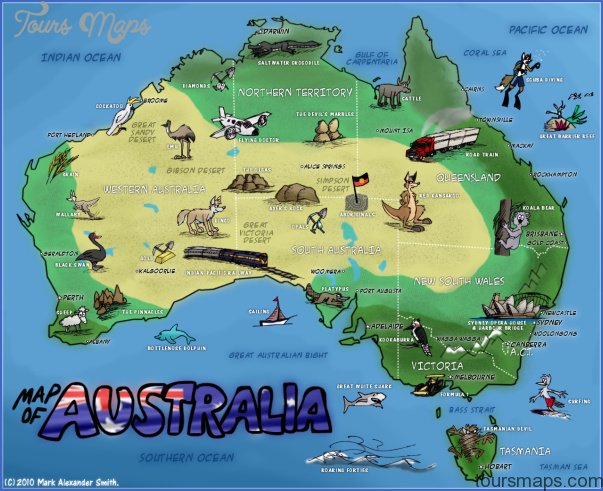
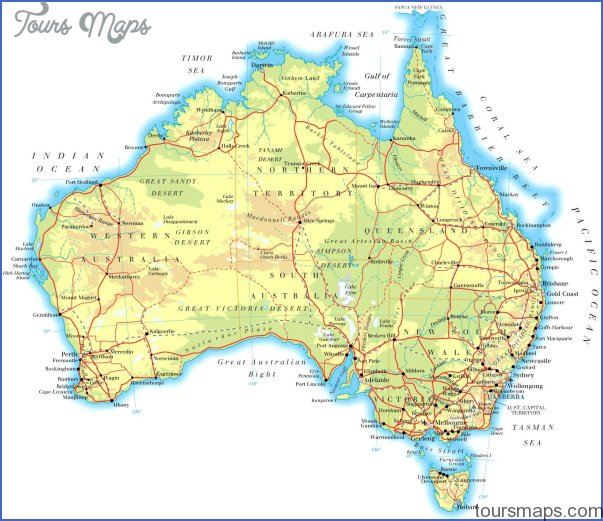
Like Florida, Queensland, Australia, has its Gold Coast with dozens of hotels in a semi-tropical setting. While the interior thirsts for rain, the northeast and north coasts get more …
Travel destinations in Australia are mostly to the large cities of Sydney and Melbourne. Travel trademarks include the Opera House, the Koala bear, the kangaroo, and Ayers Rock. North …
FIGURE 5.11 Funchal, Madeira. Funchal rises like an amphitheater behind the crescent bay. To feel the ambiance of another time try one of the twenty-five government-owned pousadas, several of …
source
reise fahrerkarte