Category: National
Ruminants are cud-chewing, hoofed mammals with an even number of toes, and four species are common in the central plateaus: mule deer, elk, moose, and bison. Male elk, deer, …
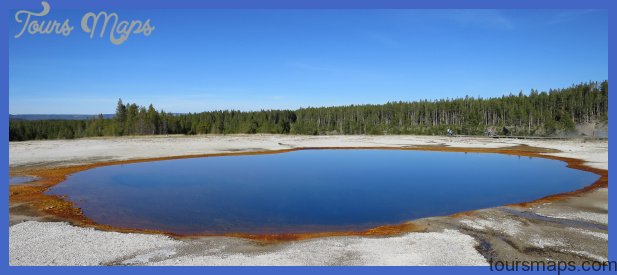
This kettle pond was formed when a glacier covering this area gouged a hole in the ground. When the glacier melted, it left sand, gravel, and boulders on the …
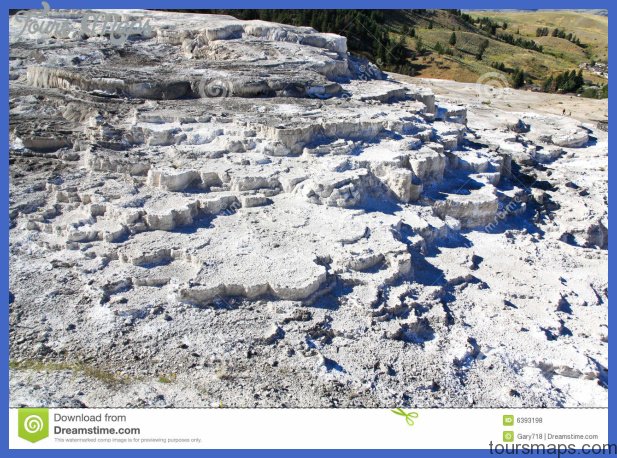
NOTE: Both this Mammoth area map and the terraces map on 263 have north at the top, so they differ slightly from some ocial NPS maps. The flat grassy …
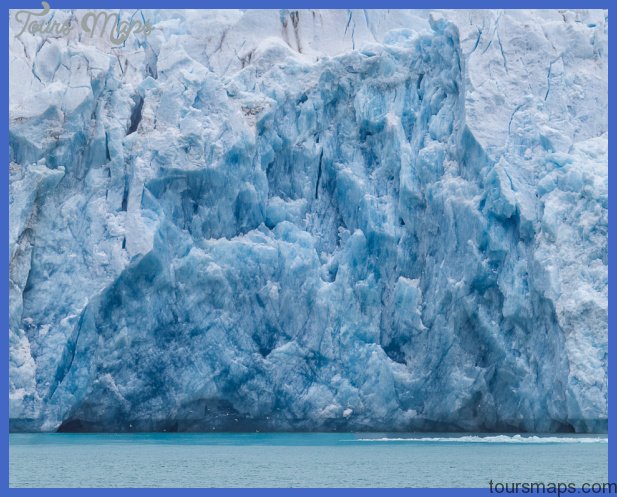
At about the same time that the plume started sending up magma in the Yellowstone region, a worldwide climate change brought colder temperatures and, in some places, glaciers. Vast …
The pronghorn antelope (Antilocapra americana) is the smallest but by far the fleetest horned animal in Yellowstone. There’s no point in chasing one. It can sprint up to 60 …
Microorganisms are all around us, present in all parts of Yellowstone, yet individually invisible to the naked eye. Living in very hot water are ones that interest us as …
Just what Back Basin is back of is not obvious to present-day visitors, but the basin was in back of the museum before the Grand Loop Road was rerouted. …
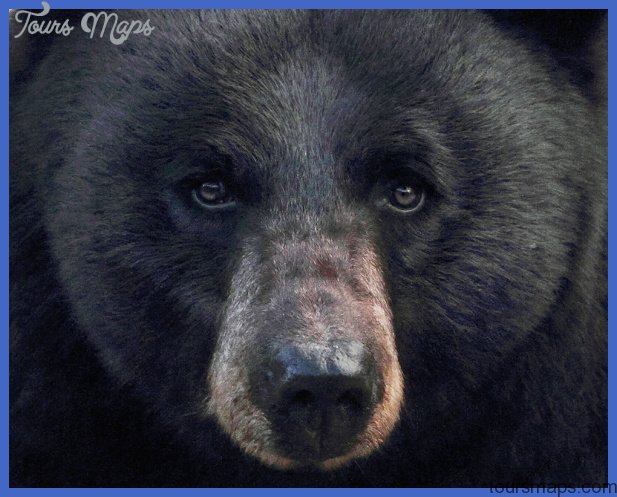
Grizzly bears were probably more common here than black bears in the 19 th century. Recent estimates put the number of grizzlies in the Greater Yellowstone Ecosystem at about …
Yellow-headed blackbirds (Xanthocephalus xanthocephalus) may be seen in the reeds at Floating Island Lake west of Tower Junction or along the edges of some of that area’s other ponds. …
To drive to Yellowstone Park from Livingston, take U.S. Highway 89 from the center of Livingston or from Interstate 90 just south of town. In about 3 miles (5 …
source
reise fahrerkarte