
Cordoba Maps & Guides
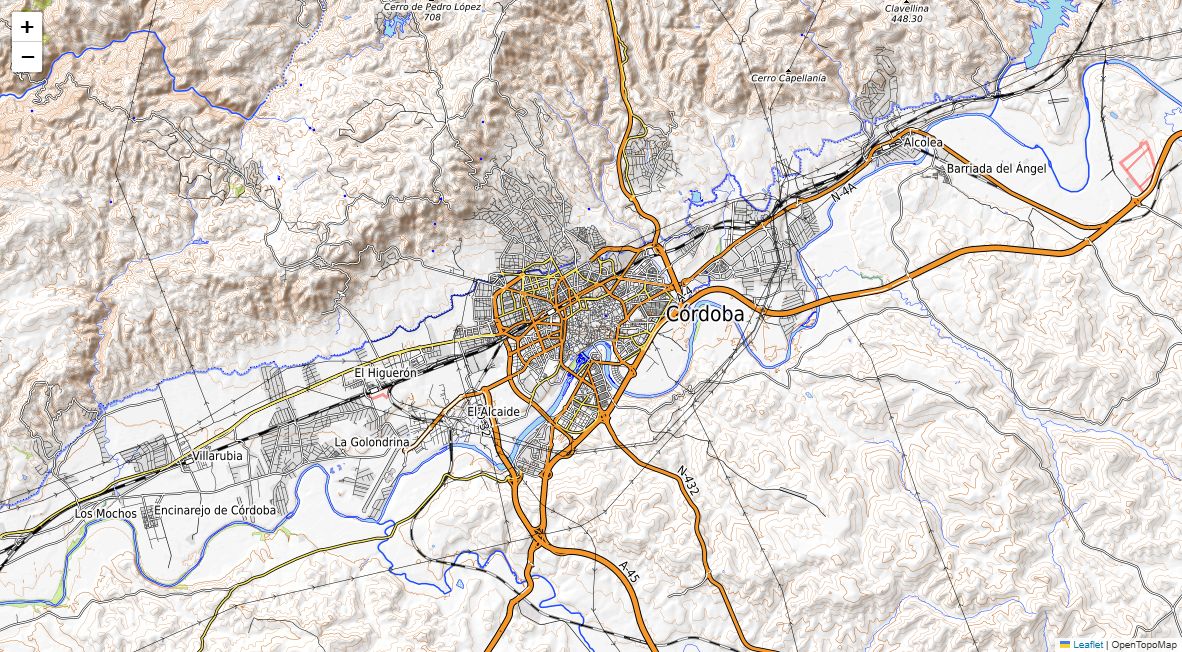
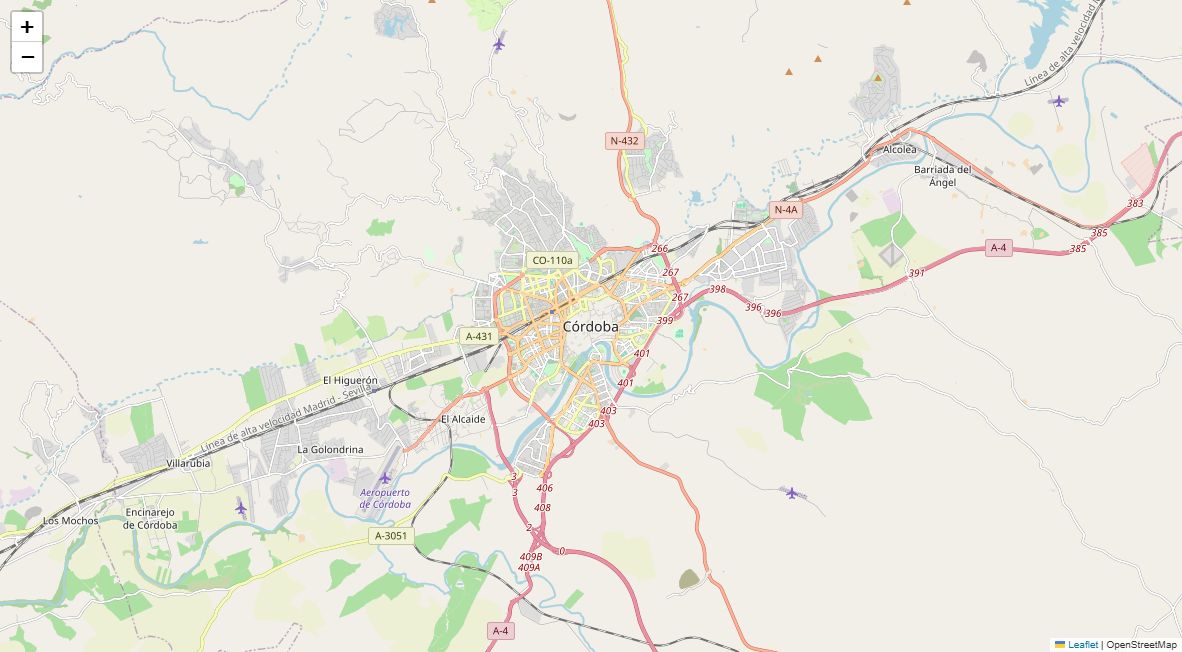
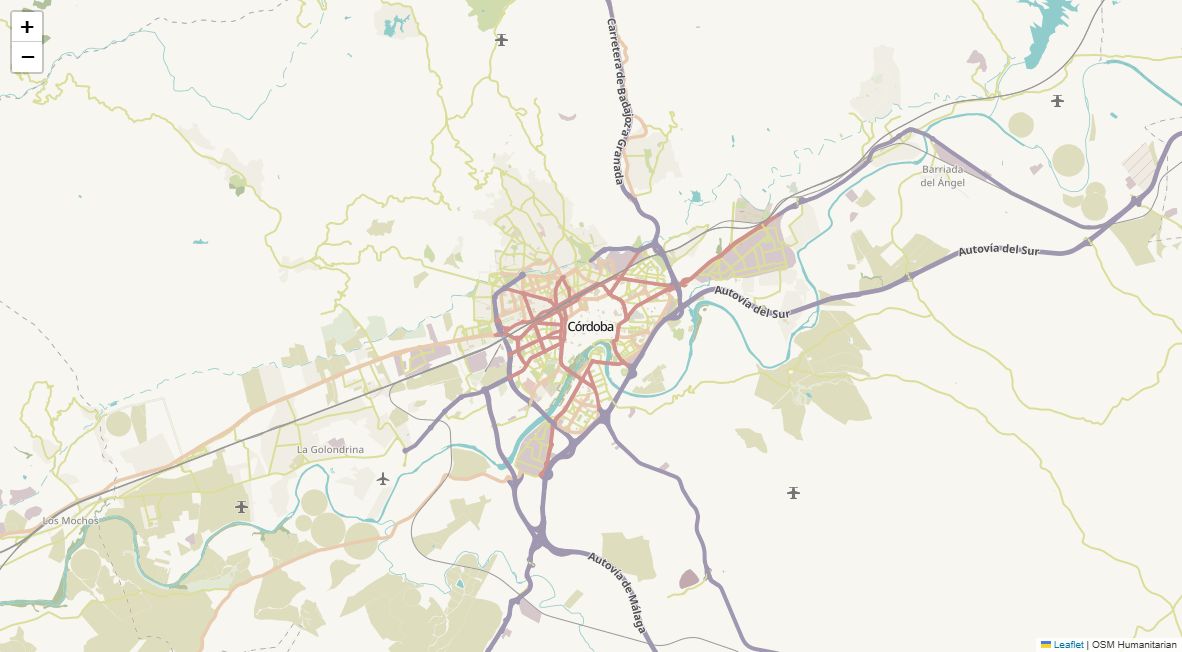
Cordoba 2026: Elite Explorer's Guide & Cultural Maps
City Vibe
- Ancient Moorish Grandeur
- Flamenco Rhythms Echoing
- Fragrant Patios & Hidden Alleys
- Siesta Culture & Late Dinners
- A City of Gentle Enchantment
Local Flavors
- Salmorejo Cordobés (Chilled Tomato Soup)
- Rabo de Toro (Oxtail Stew)
- Flamenquín (Fried Pork Rolls)
- Berenjenas con Miel (Fried Eggplant with Honey)
- Fino Montilla-Moriles (Local Sherry Wine)
Pro Tips
- Book Mezquita tickets online in advance.
- Explore the Jewish Quarter's narrow streets early.
- Embrace the afternoon siesta, then dine late.
- Stay hydrated, especially in summer.
- Wear comfortable shoes for extensive walking.
POPULATION GROWTH (IN THOUSANDS)
Lifestyle & Interest Scores
LOCAL SECRETS UNVEILED: CORDOBA
The Mezquita-Cathedral: A Tapestry of Faiths
At the very soul of Cordoba lies the Mezquita-Cathedral, an architectural marvel that transcends description. Originally built as a grand mosque during the Umayyad Caliphate, it stands today as a breathtaking testament to religious coexistence and artistic fusion. In 2026, visitors will still be awestruck by the forest of 856 candy-cane striped arches, crafted from jasper, onyx, marble, and granite, that seem to stretch into infinity. Each column tells a story of Roman foundations, Visigothic structures, and the pinnacle of Moorish design. What makes the Mezquita truly unique is the stunning cathedral inserted directly into its heart after the Reconquista, a harmonious juxtaposition of Islamic and Renaissance architecture. The Mihrab, a richly decorated prayer niche facing Mecca, remains a focal point of intricate mosaic work. To fully appreciate its grandeur, consider a guided tour that delves into its complex history. Early morning visits are highly recommended to experience its serene majesty before the crowds arrive, allowing for a more intimate connection with its sacred spaces. The interplay of light and shadow filtering through its ancient gates creates an ethereal atmosphere, solidifying its status as one of the world’s most extraordinary religious buildings for any elite traveler to Cordoba.
The Jewish Quarter & Patios: Hidden Beauties
Step out from the monumental Mezquita and lose yourself in the enchanting Judería, Cordoba’s historic Jewish Quarter. This labyrinthine district is a UNESCO World Heritage site in itself, a charming maze of whitewashed houses, flower-filled patios, and narrow, winding alleys designed for discovery. In 2026, its ancient Synagogue, one of only three remaining medieval synagogues in Spain, continues to draw visitors with its delicate Mudejar stucco work. Wander along Calleja de las Flores, Cordoba’s most iconic street, where vibrant geraniums spill from balconies, framing a picturesque view of the Mezquita’s bell tower. The true magic of the Judería, however, lies in its private patios. These enclosed courtyards, a Cordoban tradition since Roman times, are meticulously maintained by residents and burst with an explosion of colorful flora. While many are private, several are open to the public, especially during the famous Patios Festival in May, but even outside this time, specific tours or guesthouses offer glimpses into these verdant havens. Each patio is a unique work of art, reflecting generations of care and a deep appreciation for beauty. Exploring the Judería is not just sightseeing; it’s an immersion into the very soul of Cordoba, where every corner reveals a photographic opportunity and a sense of timeless charm.
Alcázar de los Reyes Cristianos & Roman Bridge: Royal Heritage
Beyond the spiritual and cultural heart, Cordoba’s royal and historical legacy is vividly showcased at the Alcázar de los Reyes Cristianos. This imposing fortress-palace, once a primary residence for Catholic Monarchs Isabella and Ferdinand, and even a base for the Spanish Inquisition, offers a fascinating journey through centuries of power and intrigue. In 2026, its well-preserved walls enclose stunning formal gardens, replete with reflecting pools, fountains, and vibrant citrus trees, creating a serene contrast to its stern exterior. Ascend the towers for panoramic views of the city, the Guadalquivir River, and the iconic Roman Bridge. The bridge itself, Puente Romano, has stood for two millennia, a silent witness to Cordoba’s evolution. Crossing its ancient stones at sunset, with the Mezquita glowing in the distance, is an unforgettable experience. The Roman Bridge provides the perfect pathway to explore the Torre de la Calahorra on the opposite bank, which houses a museum dedicated to the historical coexistence of the three cultures – Christian, Jewish, and Muslim – that shaped Cordoba. This area, especially in the evening, becomes a hub of local life, offering a lively end to a day steeped in history.
Culinary Journey: Tastes of Andalusia
Cordoba’s rich history is paralleled only by its equally rich culinary tradition. The city offers a gastronomic journey that is both authentic and deeply satisfying. In 2026, the Andalusian passion for fresh, local ingredients and time-honored recipes continues to delight. Begin with Cordoba’s signature dish, Salmorejo, a thicker, creamier version of gazpacho, often topped with diced Serrano ham and hard-boiled egg – a refreshing antidote to the summer heat. Another must-try is Rabo de Toro, a slow-cooked oxtail stew that is tender, rich, and utterly delicious, a true taste of traditional Cordoban cooking. Don’t miss Flamenquín, a crispy, fried roll typically made with cured ham wrapped in pork loin. For something sweet, Pastel Cordobés, a pastry filled with sweet pumpkin, is a local favorite. Pair these delights with a glass of local Fino Montilla-Moriles, a dry sherry wine similar to Jerez but with its own distinct character. The city is dotted with traditional tabernas and modern eateries, many offering tapas – small plates perfect for sampling a variety of dishes. Cordoba’s cuisine is an integral part of its cultural identity, inviting you to savor every moment.
Beyond the City Walls: Day Trips & Local Life
While Cordoba’s historic core is endlessly captivating, venturing just beyond its ancient walls reveals further dimensions of its charm. Opportunities abound for elite travelers in 2026 to experience local life and breathtaking landscapes. A mere 8 kilometers west of the city lies Medina Azahara, the ruins of a sprawling medieval palace-city built by Abd al-Rahman III. This archaeological site, a UNESCO World Heritage site, provides a fascinating glimpse into the opulence and power of the Caliphate of Cordoba during its golden age. Its intricate carvings and vast scale are a testament to Islamic artistry. Dedicated shuttles run from Cordoba, making it an easy half-day excursion. For those seeking nature and a different perspective, the Sierra Morena mountains, just north of the city, offer hiking trails and natural parks. Horse riding tours through olive groves are also a popular activity, connecting visitors with the quintessential Andalusian landscape. Back in the city, engage with local life by attending a traditional flamenco show in a genuine tablao. Seek out smaller, authentic venues for a more intimate and passionate performance. Visit local markets, engage with artisans, and observe the unhurried pace of daily life. Cordoba is not just about its monumental past; it’s about the vibrant present and the welcoming spirit of its people.
Table of Contents
