
Kinshasa Maps & Guides
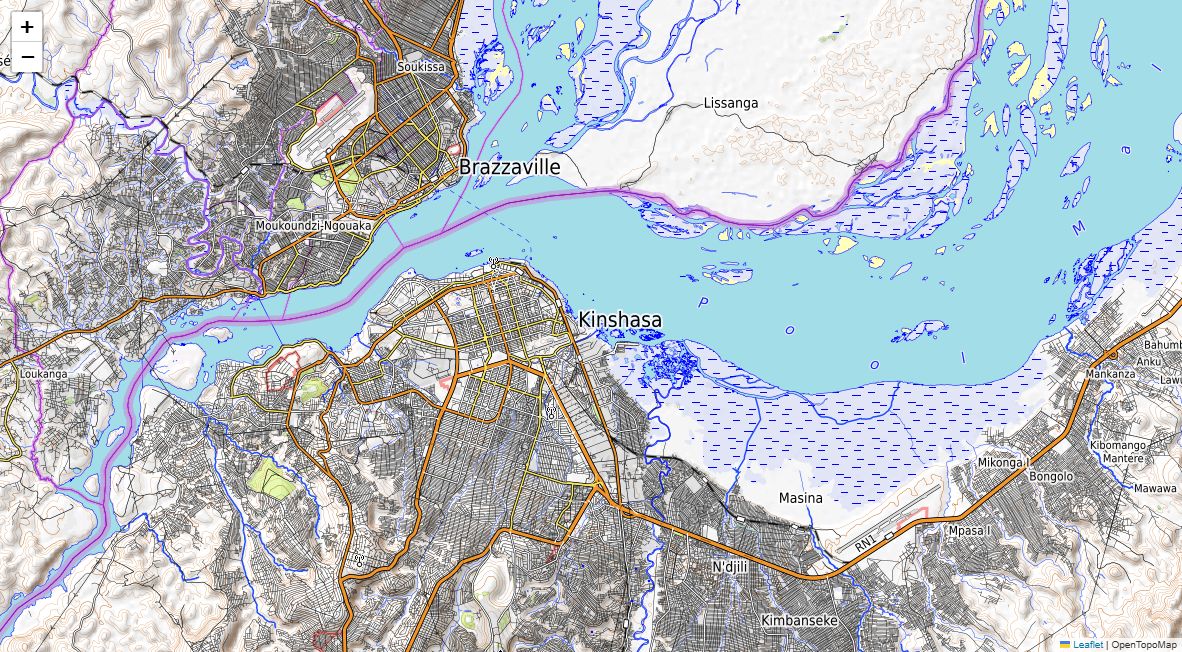
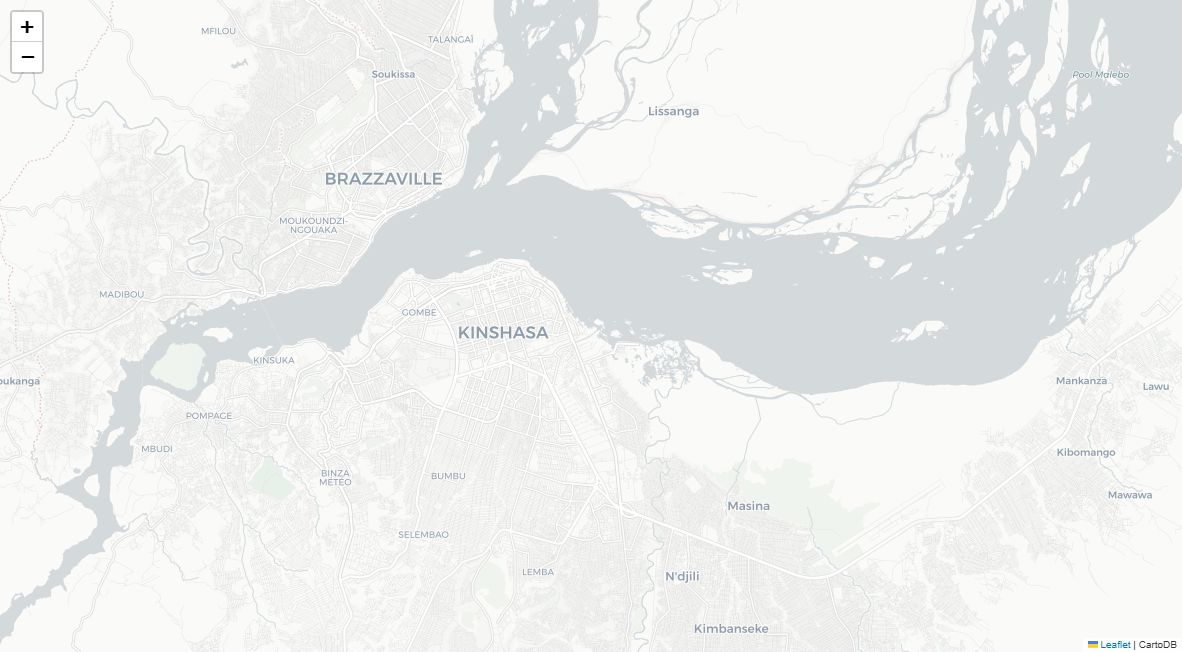
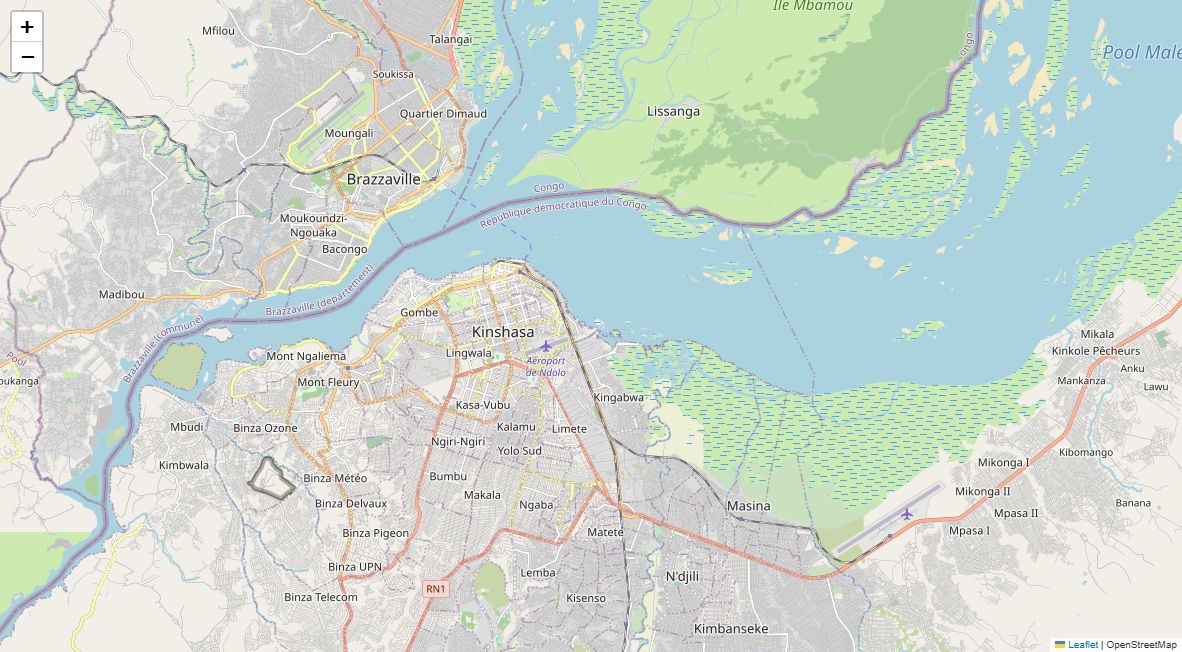
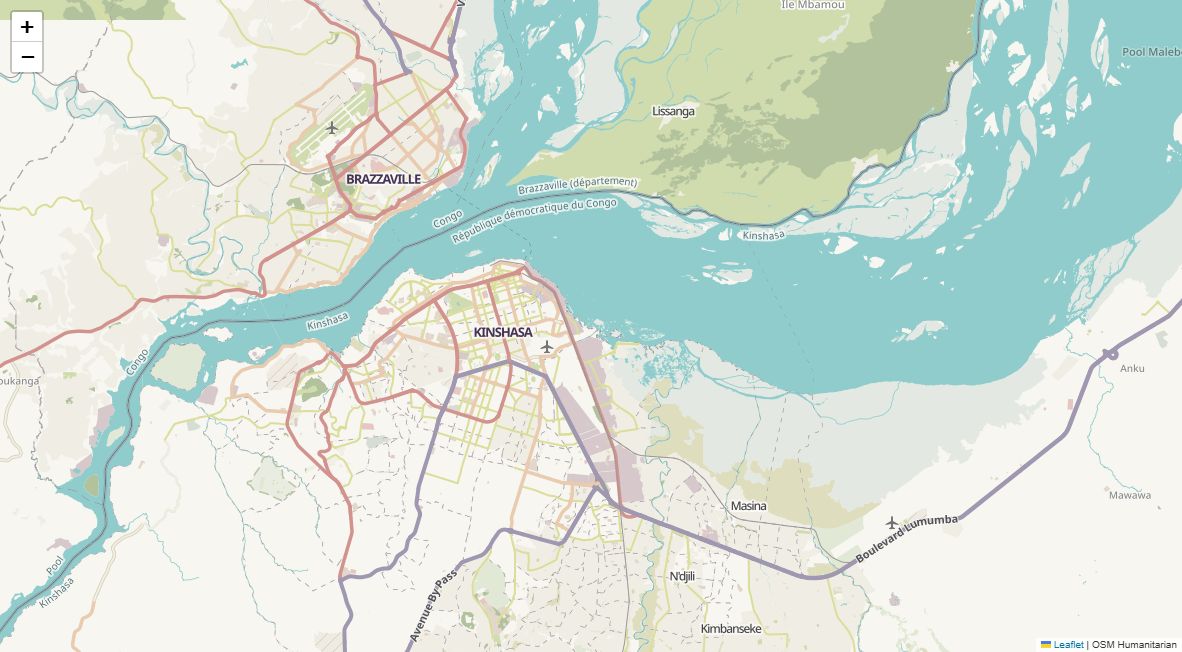
Kinshasa 2026: An Elite Traveler's Guide & Essential Maps to Africa's Dynamic Heartbeat
City Vibe
- Unbridled Energy & Hustle
- Rhythmic Music & Dance Scene
- Resilient Spirit of Its People
- Vibrant Street Art & Culture
- Gateway to the Congo River
Local Flavors
- Fufu & Sakasaka (Cassava Paste & Greens)
- Moambe (Palm Nut Stew with Chicken)
- Liboke (Steamed Fish/Meat in Banana Leaves)
- Pondu (Cassava Leaf Stew)
- Chikwangue (Fermented Cassava Bread)
Pro Tips
- Engage a reputable local guide for insights.
- Master basic Lingala phrases (Mbote, Malembo).
- Use officially sanctioned taxis or ride-share apps.
- Always carry local currency in small denominations.
- Be discreet with valuables and avoid public displays.
POPULATION GROWTH (IN THOUSANDS)
Lifestyle & Interest Scores
LOCAL SECRETS UNVEILED: KINSHASA
Navigating the Urban Jungle: Transport and Key Districts
Kinshasa is a sprawling city, and understanding its geography is key to a smooth visit. The central business district, **Gombe**, is where most luxury hotels, embassies, and high-end restaurants are located. It’s relatively calm and well-maintained, offering a stark contrast to the lively, densely populated residential areas. For transportation, avoid unmarked taxis. Instead, utilize ride-hailing apps like ‘Yango’ or engage a car and driver through your hotel or a reputable tour operator. These services offer security, fixed pricing, and often air-conditioned vehicles – a welcome comfort in Kinshasa’s tropical climate. Exploring areas like **Matonge**, the cultural heartland, or **Kintambo**, known for its markets and local life, is best done with a local guide who can navigate the intricate streets and provide invaluable insights into the local customs and etiquette. Traffic can be notoriously heavy, especially during peak hours (6-9 AM and 4-7 PM), so plan your movements strategically. Consider booking accommodations in Gombe for convenience, but make sure to venture out with guided excursions to experience the city’s true essence. The Kinshasa River Port offers a unique perspective on the city’s vital connection to the Congo River, serving as a bustling hub of commerce and a launching point for riverine adventures. Safety in movement means being aware of your surroundings, keeping valuables out of sight, and generally moving with purpose. Night-time travel, especially outside Gombe, should always be with a pre-arranged, trusted driver.
Cultural Rhythms and Artistic Expressions
Kinshasa is globally renowned as a cradle of contemporary African music, particularly **Rumba Congolaise**. The city’s musical legacy is palpable, with legendary artists like Franco Luambo Makiadi and Papa Wemba having shaped its sound. In 2026, you can still find vibrant live music venues and ‘ngandas’ (local bars) where local bands keep the traditions alive and infuse them with modern twists. Seek out establishments in **Matonge** or **Bandala** for authentic musical experiences. Beyond music, Kinshasa boasts a burgeoning art scene. The **Académie des Beaux-Arts** is not just an institution but a dynamic hub where emerging artists hone their craft and exhibit their works, often for sale. Gallery spaces like the **Centre Wallonie-Bruxelles** and various private collections showcase contemporary Congolese art, characterized by its vibrant colors, political commentary, and exploration of daily life. For a deeper historical dive, the **Musée National de la République Démocratique du Congo (MNRDC)** offers an impressive collection of artifacts, traditional masks, and historical documents that narrate the rich and complex history of the Congo. Participating in a guided tour of the museum provides essential context for understanding the nation’s heritage. Don’t miss the chance to witness a traditional dance performance or engage with local artisans creating intricate sculptures and textiles; these interactions are the heartbeat of Kinshasa’s cultural landscape.
Culinary Delights and Local Markets
Kinshasa’s culinary scene is a vibrant tapestry of Congolese staples, West African influences, and a growing number of international eateries catering to the expatriate community. For an authentic taste, you must try **Moambe**, the national dish, a rich palm nut stew typically served with chicken or fish, accompanied by **fufu** (cassava paste) or rice. Other local favorites include **Liboke**, fish or meat steamed in banana leaves with spices, and **Pondu**, a flavorful cassava leaf stew. For an elite dining experience, Gombe offers a selection of upscale restaurants serving both local and international cuisine, often with live music. However, the true gastronomic adventure lies in exploring the local markets. **Marché Central** (though now often referred to as ‘Grand Marché’) and **Marché de la Liberté** are bustling hubs where you can witness the sheer abundance of fresh produce, spices, and local ingredients. While navigating these markets, always go with a guide who can help you negotiate prices (bargaining is expected) and identify high-quality goods. Street food, while tempting, should be approached with caution; opt for stalls that are visibly clean and popular with locals. For a unique experience, consider a cooking class to learn how to prepare traditional Congolese dishes, an immersive way to connect with the local culture through its food. Remember to always drink bottled water and avoid ice unless absolutely certain of its source.
Beyond the City Limits: Adventure and Nature
Kinshasa, while a dense urban center, also serves as a gateway to remarkable natural adventures. A must-visit is **Lola ya Bonobo**, the world’s only sanctuary for orphaned bonobos. Located just outside the city, it offers a poignant and educational experience, allowing visitors to observe these highly intelligent and endangered primates in a semi-wild environment. The sanctuary is a beacon of conservation and offers guided tours that provide deep insights into bonobo behavior and the efforts to protect them. For those seeking a unique riverine experience, chartering a private pirogue or a larger boat on the **Congo River** is an unforgettable excursion. Witness the bustling river life, the vastness of Africa’s second-longest river, and perhaps even spot some wildlife along its banks. The river is the lifeline of the DRC, and seeing it up close provides an unparalleled perspective on the country’s geography and economy. Further afield, adventurous travelers can consider day trips to the **Zongo Falls** or the **Lukaya Park**, though these require careful planning, reliable transportation, and often permits. These natural retreats offer a stark contrast to the urban hustle, providing opportunities for hiking, bird-watching, and simply enjoying the raw beauty of the Congolese landscape. Always ensure your travel arrangements for these excursions are made through established and reputable operators for safety and efficiency.
Kinshasa After Dark: Nightlife and Entertainment
As the sun sets, Kinshasa truly comes alive, transforming into a vibrant nocturnal playground. The city’s nightlife is an extension of its musical soul, with a plethora of bars, clubs, and ‘ngandas’ (local outdoor bars) offering diverse entertainment options. In **Gombe**, you’ll find more upscale clubs and lounges favored by the international community and local elite, offering a mix of international hits and Congolese rhythms. These establishments often have stricter dress codes and higher prices but provide a sophisticated atmosphere. For a more authentic experience, venture into **Matonge** or **Bandala** (with a trusted guide or driver) where the ‘ngandas’ spill out onto the streets, pulsating with live Rumba Congolaise, Ndombolo, and other local genres. This is where you can truly feel the rhythmic heart of Kinshasa, watching locals dance with incredible energy and skill. Many venues feature live bands playing until the early hours, offering an immersive cultural experience. Look for places like ‘Chez Ntemba’ (if it’s still operating in its traditional form) or similar popular spots. While the energy is infectious, always be mindful of your personal safety, avoid walking alone at night, and keep your belongings secure. Engage with locals respectfully, and you’ll find Kinshasa’s nightlife to be incredibly welcoming and exhilarating. Remember, the city’s rhythm is unique; embrace it, and you’ll create unforgettable memories.
Table of Contents
