
Lusaka Maps & Guides
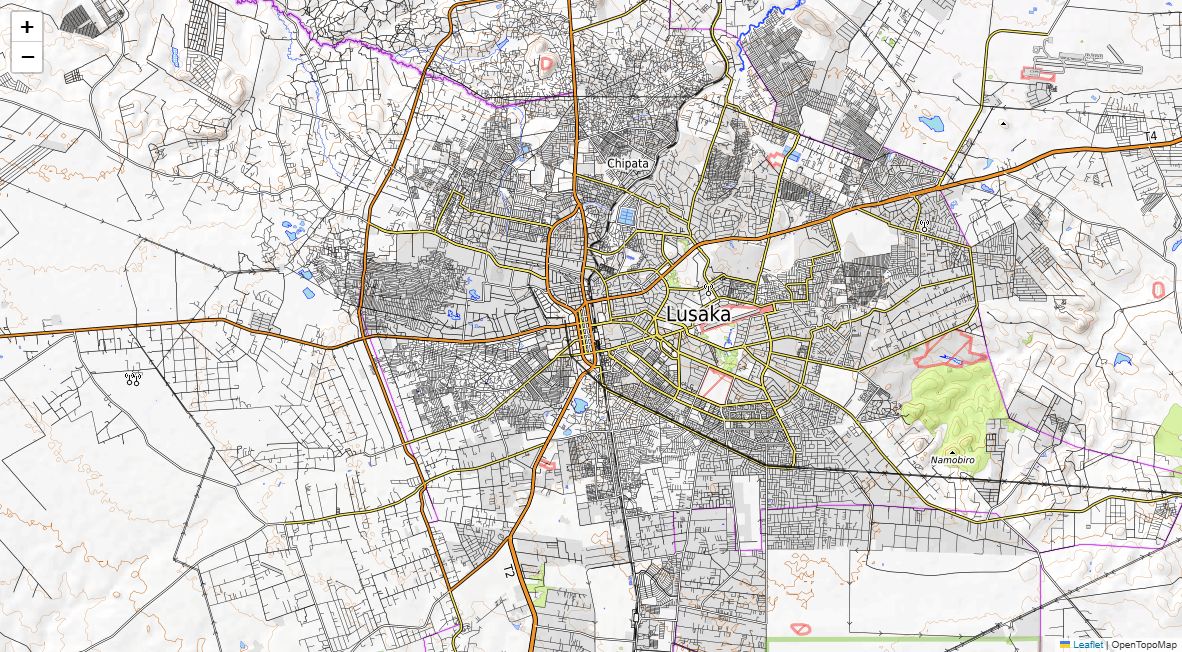
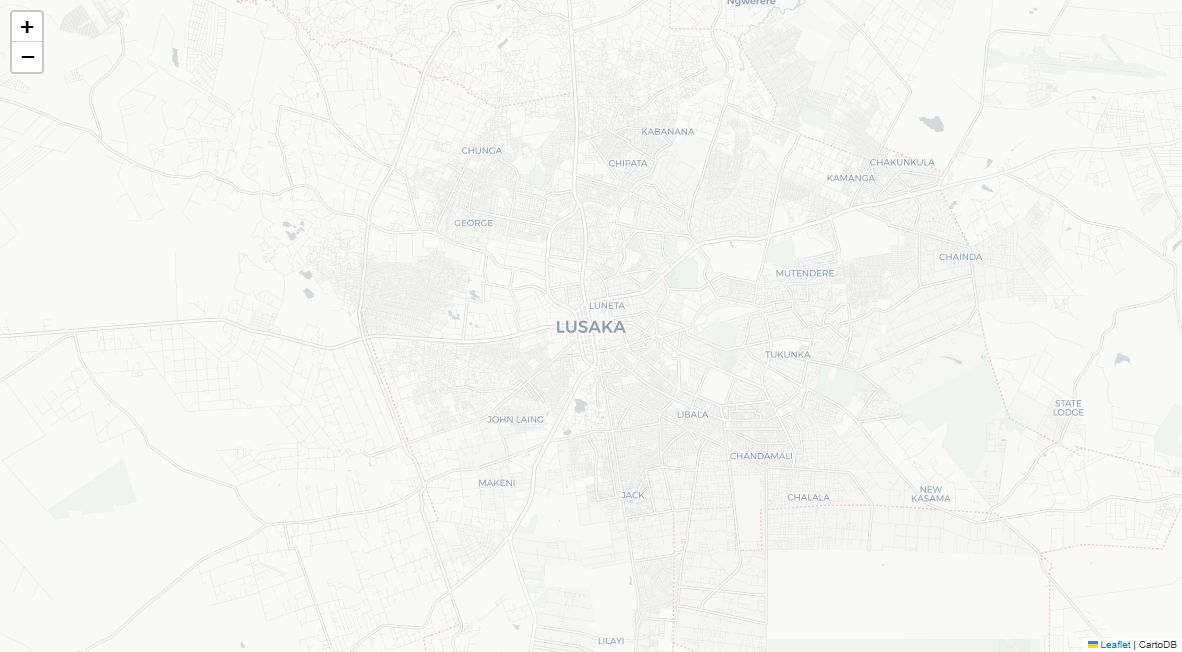
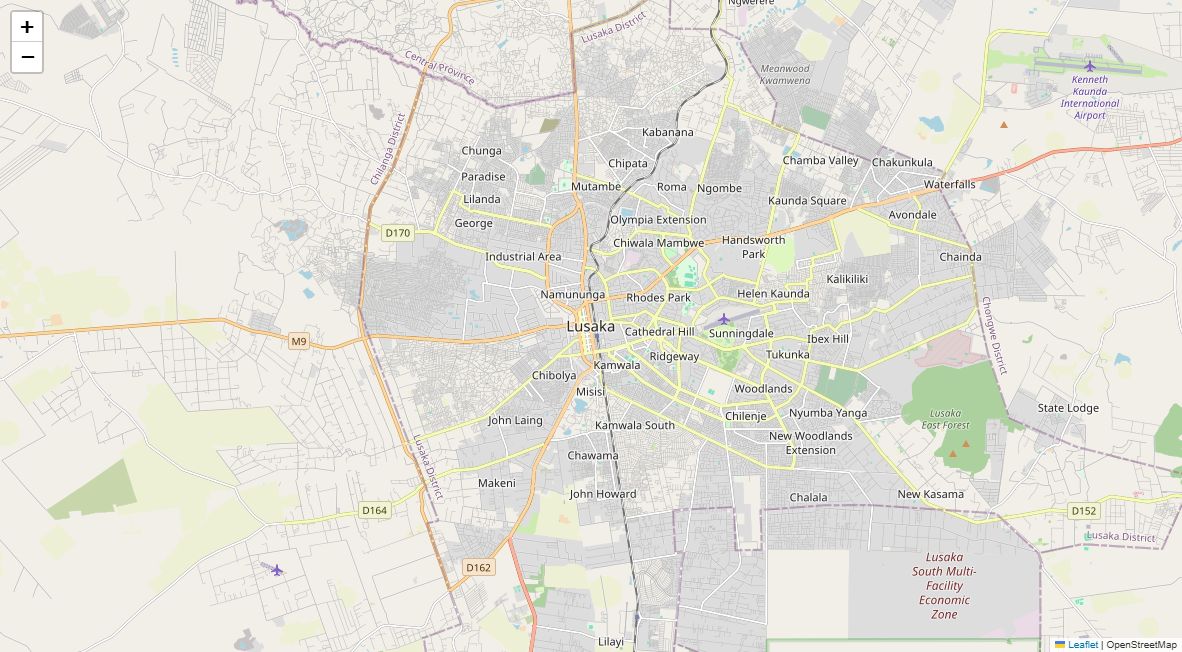
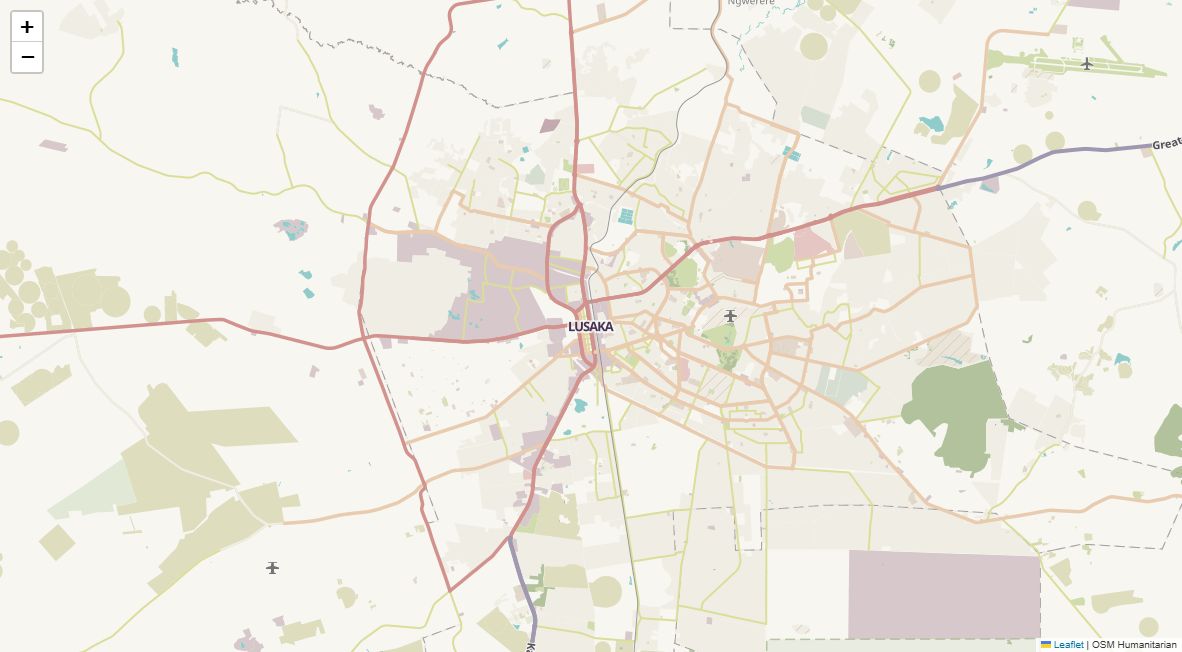
Lusaka 2026: An Elite Traveler's Map to Zambia's Vibrant Capital
City Vibe
- Bustling Markets & Modern Malls
- Rich Cultural Tapestry
- Friendly & Welcoming Locals
- Developing Urban Landscape
- Gateway to Zambian Wilderness
Local Flavors
- Nshima with Relishes (e.g., Kapenta, Impwa)
- Local Brews (Mosi, Castle)
- Grilled Tilapia (Bream)
- Chikanda (African Polony)
- Roadside Braii (BBQ)
Pro Tips
- Bargain respectfully in markets.
- Carry small denominations of Kwacha.
- Book safaris & tours in advance.
- Stay hydrated; use bottled water.
- Learn basic Nyanja/Bemba greetings.
POPULATION GROWTH (IN THOUSANDS)
Lifestyle & Interest Scores
LOCAL SECRETS UNVEILED: LUSAKA
Lusaka’s Evolving Skyline and Urban Sophistication
In 2026, Lusaka stands as a testament to Zambia’s dynamic growth, showcasing a captivating blend of its rich heritage and ambitious future. The city’s skyline, once dominated by colonial-era architecture, now boasts an array of modern high-rises, boutique hotels, and state-of-the-art commercial centers. Upscale neighborhoods such as Rhodespark, Kabulonga, and Leopards Hill have cemented their status as havens for luxury accommodation and exclusive residential developments. Here, tree-lined streets lead to exquisite villas, private art galleries, and discreet, members-only clubs, offering an unparalleled level of comfort and privacy. International luxury hotel brands have firmly established their presence, providing world-class amenities, concierge services, and sophisticated dining experiences that cater to the discerning global traveler. The urban planning initiatives of the past decade have focused on creating greener spaces and improving infrastructure, making Lusaka not just a transit hub but a destination in itself. Exploring these areas reveals beautifully manicured gardens, contemporary architectural marvels, and a palpable sense of optimistic progress that defines the Zambian capital.
Culinary Journeys: From Street Food to Fine Dining
Lusaka’s culinary scene in 2026 is a vibrant mosaic of traditional Zambian flavors and cutting-edge international gastronomy. For an authentic taste of Zambia, venturing into local eateries to savor nshima (a thick porridge made from maize meal), served with an array of flavorful relishes like kapenta (small dried fish), impwa (eggplant), or tenderly stewed beef and chicken, is an absolute must. The city’s bustling markets and roadside stalls offer delectable grilled tilapia, known locally as bream, often seasoned with local herbs and spices, a true delight for the palate. However, Lusaka’s gastronomic evolution extends far beyond traditional fare. The last few years have seen an explosion of high-end restaurants, particularly in areas like Roma and Kabulonga, offering fusion cuisine that skillfully blends Zambian ingredients with global culinary techniques. From Italian trattorias serving artisanal pasta to sophisticated Japanese sushi bars and contemporary African dining experiences, Lusaka caters to every epicurean desire. Many of these establishments source fresh, organic produce from local farms, ensuring both quality and a sustainable approach. Pair your meal with a refreshing Mosi lager, Zambia’s iconic beer, or explore the growing selection of imported wines and craft cocktails available in the city’s trendy bars and lounges. A culinary tour of Lusaka promises an unforgettable adventure for your taste buds.
Cultural Immersion and Artistic Expression
Lusaka is a city rich in cultural heritage and vibrant artistic expression, offering numerous avenues for the elite traveler to connect with Zambia’s soul. The Henry Tayali Art Centre stands as a beacon for contemporary Zambian art, showcasing works by established and emerging artists that reflect the nation’s history, social dynamics, and natural beauty. Galleries throughout the city, often tucked away in serene garden settings, provide intimate spaces to appreciate traditional crafts, modern paintings, and intricate sculptures. For a deeper dive into local craftsmanship, a visit to the Lusaka City Market or Soweto Market, though bustling, offers an unparalleled sensory experience. Here, artisans display everything from hand-carved wooden artifacts and vibrant textiles to intricate beadwork and traditional pottery. These markets are not just places to shop but cultural hubs where the rhythm of daily Zambian life unfolds. The city’s music scene is equally dynamic, with live performances ranging from traditional kalindula music to modern Afrobeats and gospel. Keep an eye out for cultural festivals and events, particularly during the dry season (May to October), which often feature traditional dances, storytelling, and ceremonial displays, providing a profound insight into the diverse ethnic groups that make up Zambia. Engaging with local artists and performers offers a unique opportunity to understand the narratives and aspirations of the Zambian people, fostering a truly memorable cultural exchange.
Beyond the City Limits: Adventure and Serenity
Lusaka’s strategic location makes it an ideal launchpad for exploring the breathtaking natural wonders of Zambia. While the city itself offers urban delights, just a short drive away lies a world of adventure and tranquility. For a taste of the wild without venturing too far, the Chaminuka Game Reserve offers an exceptional day trip or overnight stay. This private reserve, home to a wide array of wildlife including rhinos, giraffes, zebras, and various antelopes, provides guided game drives and a unique opportunity to witness Zambia’s fauna up close in a luxurious setting. The Munda Wanga Environmental Park, a sanctuary for orphaned or injured wildlife, also offers educational tours and a chance to see indigenous species in a more controlled environment. For the more adventurous, Lusaka serves as the perfect base for accessing world-renowned national parks like the Lower Zambezi National Park. Although a short flight or several hours’ drive, the park promises unparalleled safari experiences, including game drives, walking safaris, and unforgettable canoe trips on the mighty Zambezi River, where hippos, crocodiles, and elephants are frequent sights. Imagine sundowners overlooking the river as the African sun dips below the horizon, painting the sky in fiery hues – an experience that truly defines the magic of Zambia. The ease of access from Lusaka to these natural paradises ensures that your elite travel experience seamlessly blends urban sophistication with raw, untamed beauty.
Navigating Lusaka: Essential Tips for the Elite Traveler
To ensure a seamless and enjoyable elite travel experience in Lusaka, a few key considerations are paramount. Transportation within the city is best handled through reputable ride-sharing apps, which are widely available, or by arranging private transfers through your hotel or a trusted tour operator. For longer excursions or safaris, pre-booking a chauffeured vehicle offers both comfort and convenience. While Lusaka is generally safe, particularly in its upscale neighborhoods, it’s always wise to exercise standard urban precautions, such as avoiding walking alone at night and keeping valuables out of sight. Communication is straightforward; purchasing a local SIM card upon arrival is highly recommended for affordable data and calls, ensuring you stay connected. Most high-end establishments offer reliable Wi-Fi. When engaging with local vendors in markets, a polite and respectful approach to bargaining is appreciated and part of the cultural experience. Tipping is customary in restaurants and for services rendered, usually around 10%. Furthermore, for an elite experience, consider booking your luxury accommodation, exclusive dining reservations, and all safari excursions well in advance, especially during peak season, to secure preferred options. Embracing responsible tourism practices, such as supporting local businesses and respecting cultural norms, will not only enhance your journey but also contribute positively to the local community. With these tips in mind, your Lusaka adventure promises to be both luxurious and authentically enriching.
Table of Contents
