
Guayaquil Maps & Guides
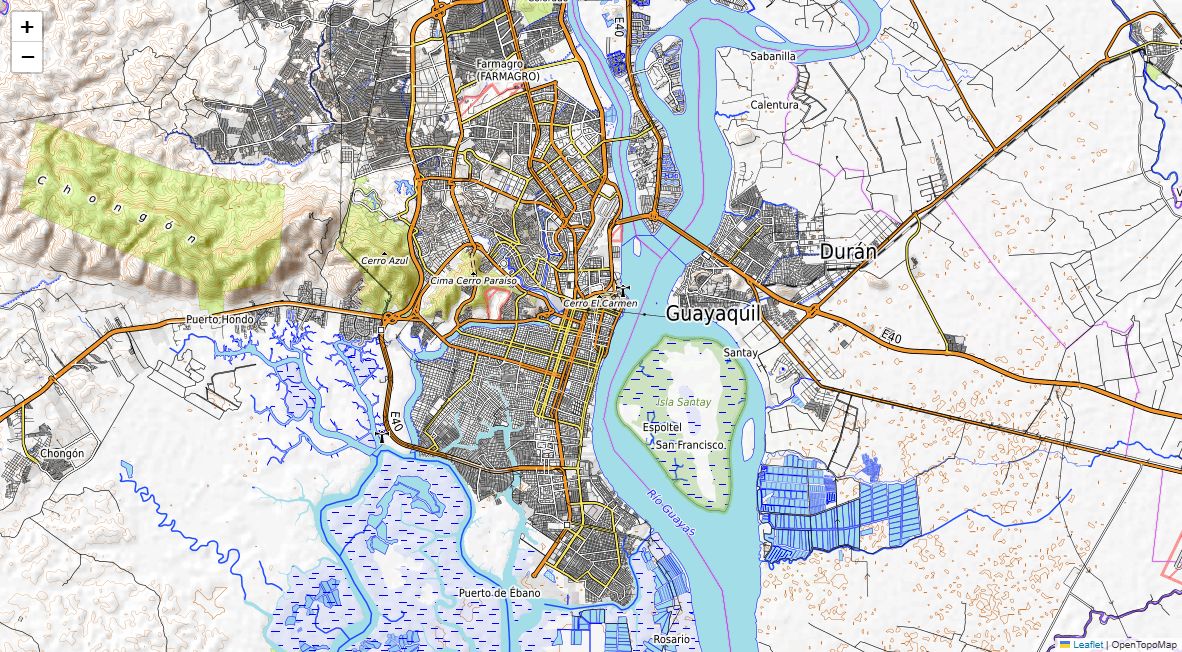
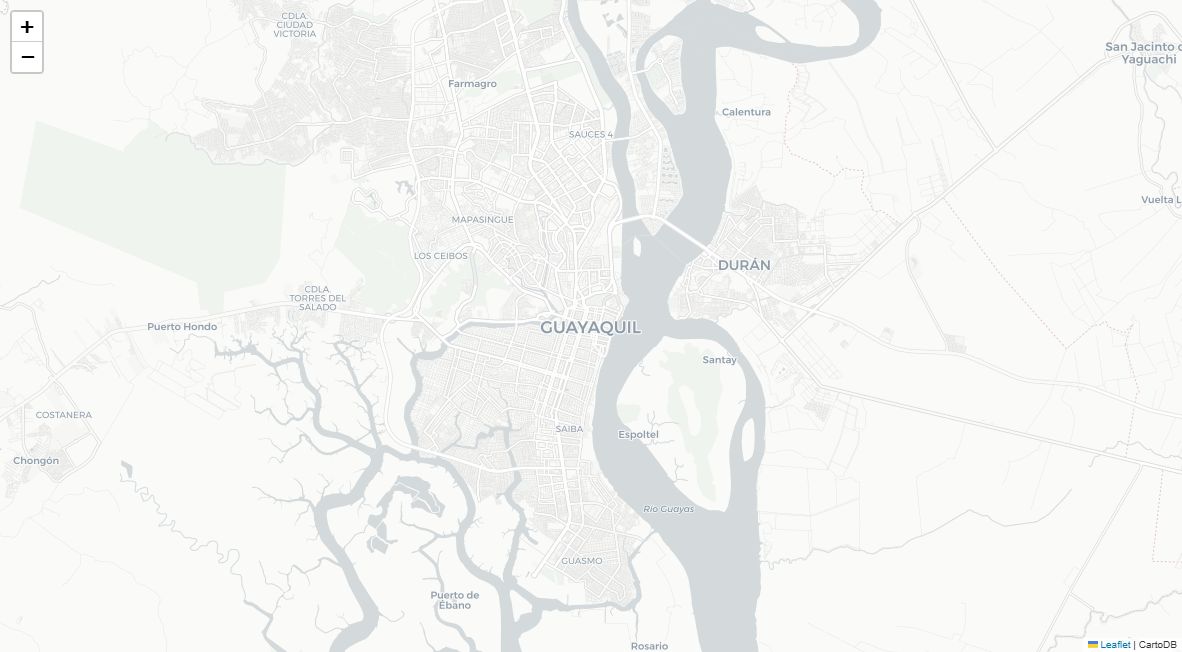
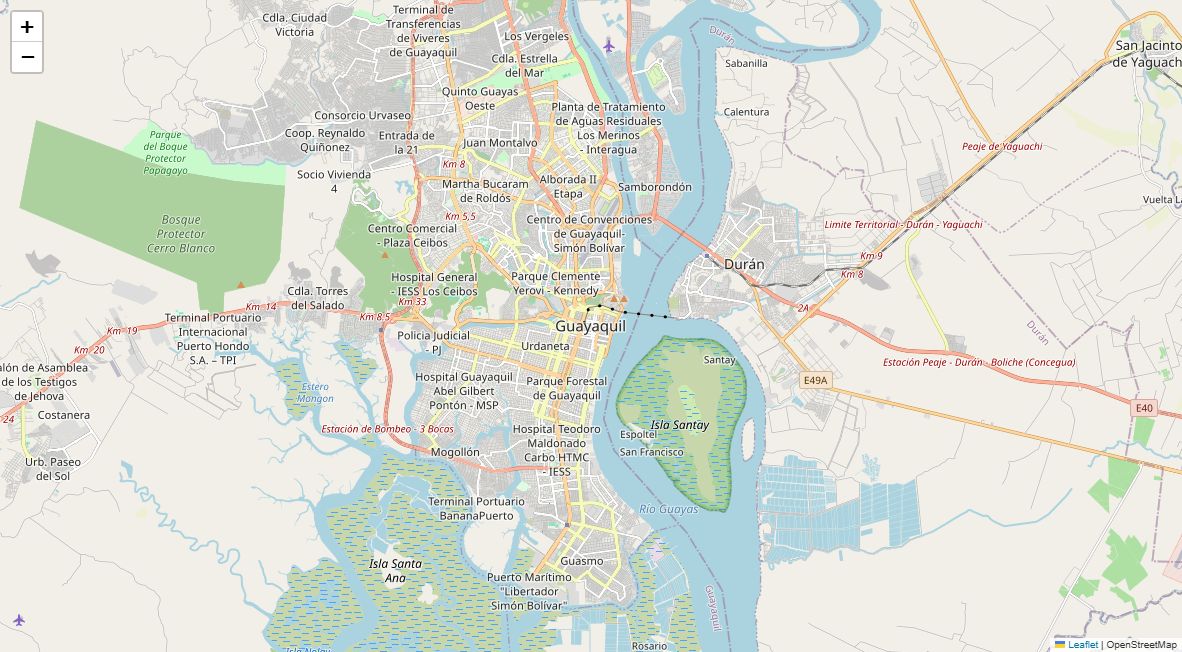
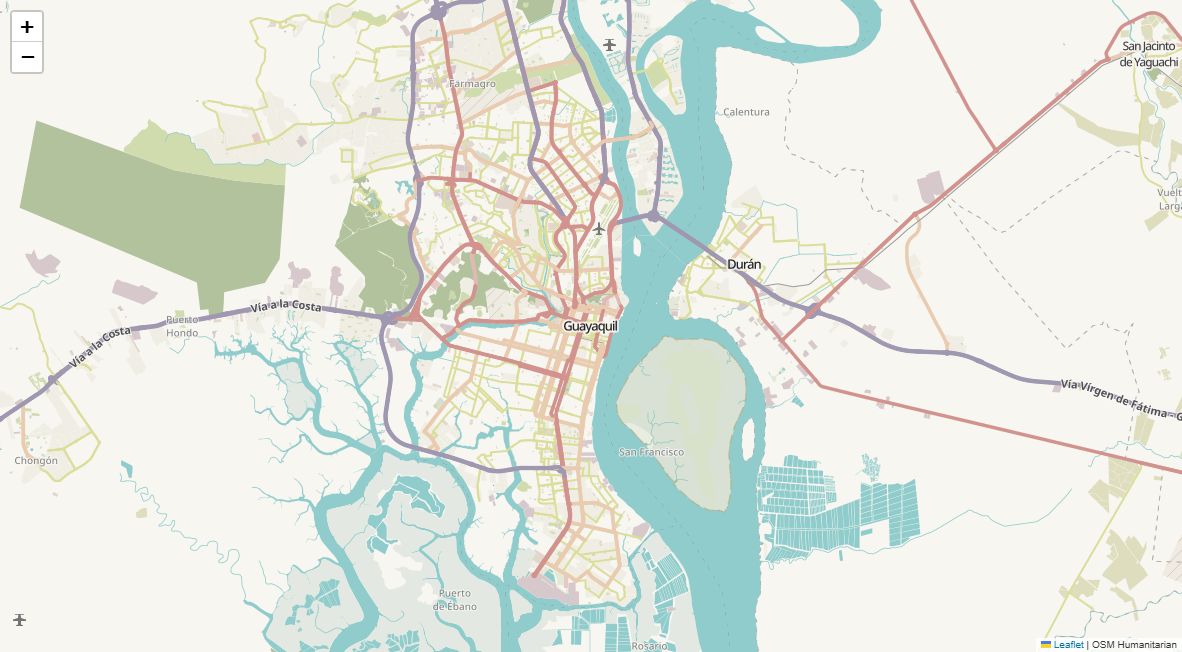
Guayaquil 2026: An Elite Explorer's Guide & City Maps
City Vibe
- Riverfront Promenade & Green Spaces
- Vibrant Urban Art & Murals
- Historic Charm & Modern Amenities
- Dynamic Port City Energy
- Friendly Local Hospitality
Local Flavors
- Ceviche Guayaco (Shrimp & Peanut Sauce)
- Encebollado (Hearty Fish Stew)
- Patacones (Crispy Fried Plantains)
- Arroz con Menestra y Carne (Rice, Lentils, Meat)
- Bolones de Verde (Green Plantain Dumplings)
Pro Tips
- Utilize ride-sharing apps (Uber, Cabify) for safe transport.
- Stay hydrated and use sun protection in the tropical heat.
- Learn basic Spanish phrases; locals appreciate the effort.
- Book accommodations near major attractions like Malecon 2000.
- Be aware of your belongings, especially in crowded markets.
POPULATION GROWTH (IN THOUSANDS)
Lifestyle & Interest Scores
LOCAL SECRETS UNVEILED: GUAYAQUIL
Guayaquil’s Renaissance: A 2026 Outlook
Guayaquil, the ‘Pearl of the Pacific,’ has undergone a remarkable transformation, solidifying its status as a premier destination for discerning travelers in 2026. The city’s commitment to urban renewal is evident in its impeccably maintained public spaces, enhanced security, and burgeoning arts scene. The iconic Malecon 2000, a sprawling riverfront promenade, remains the city’s pulsating heart, offering panoramic views of the Guayas River, upscale dining, and family-friendly attractions. Nearby, the historic barrio of Las Peñas, with its vibrant wooden houses and winding cobblestone streets, continues to charm visitors, culminating in the breathtaking views from the Santa Ana Lighthouse. These landmark developments, coupled with strategic investments in infrastructure and tourism, have elevated Guayaquil into a dynamic hub that seamlessly blends its rich history as a crucial port city with a forward-looking vision. The downtown core now boasts contemporary high-rises alongside beautifully preserved colonial architecture, creating a captivating urban tapestry that invites exploration. Expect modern amenities, high-speed connectivity, and an increasing number of boutique hotels catering to luxury travelers, making your 2026 visit both comfortable and enriching.
Navigating the City of Iguanas: Transport & Safety
Getting around Guayaquil in 2026 is more convenient and safer than ever before. The city’s efficient Metrovía bus rapid transit system provides an economical way to traverse major arteries, while a readily available fleet of taxis and popular ride-sharing services like Uber and Cabify offer comfortable and reliable door-to-door transport. For those preferring a more scenic route, water taxis along the Guayas River connect key points like the Malecon and Isla Santay, providing unique perspectives of the cityscape. Regarding safety, Guayaquil has made significant strides, particularly in tourist-heavy zones. While general urban precautions are always advised – such as being aware of your surroundings, avoiding ostentatious displays of wealth, and not walking alone late at night in unlit areas – the city’s increased police presence and improved lighting in central districts contribute to a generally secure environment. It’s always prudent to use registered taxis or ride-sharing apps and to secure your belongings. Embrace the local pace, but remain vigilant, and your experience navigating this bustling metropolis will be smooth and enjoyable.
Culinary Journey: Savoring Guayaquil’s Flavors
Guayaquil’s culinary scene is a vibrant testament to Ecuador’s coastal bounty and rich agricultural heritage. In 2026, the city offers an exquisite array of dining experiences, from high-end gastronomic establishments to lively street food stalls and bustling traditional markets. A visit here is incomplete without indulging in ‘Ceviche Guayaco,’ a unique take on ceviche featuring succulent shrimp bathed in a peanut sauce, a delightful departure from its more common lime-based counterparts. Another must-try is ‘Encebollado,’ a hearty fish soup, often hailed as the national dish, perfect for a morning pick-me-up. For those seeking authentic local flavors, ‘Mercado de la Caraguay’ is an experience for the senses, offering the freshest seafood and local produce, where vendors craft traditional dishes on the spot. Don’t miss ‘Patacones’ (crispy fried plantains) and ‘Bolones de Verde’ (green plantain dumplings), staples that accompany almost every meal. Modern chefs are increasingly experimenting with traditional ingredients, creating fusion dishes that push the boundaries of Ecuadorian cuisine, ensuring that every palate finds something to savor in Guayaquil.
Beyond the Malecon: Hidden Gems & Adventure
While the Malecon 2000 and Las Peñas are essential, Guayaquil in 2026 beckons with a wealth of hidden gems and thrilling adventures beyond its central attractions. Escape the urban buzz with a visit to Isla Santay, an ecological reserve accessible by a pedestrian bridge from the Malecon, offering cycling paths, birdwatching, and even a small community with traditional houses. The island is a sanctuary for diverse wildlife, including its famous crocodiles and a myriad of bird species. For a journey back in time, ‘Parque Histórico Guayaquil’ combines history, nature, and traditions into one sprawling park, featuring preserved colonial buildings, a recreated traditional farm, and a wildlife sanctuary showcasing regional animals. Nature enthusiasts can venture slightly outside the city to the Cerro Blanco Protected Forest, a dry tropical forest perfect for hiking and spotting howler monkeys and various bird species. For coastal escapes, the nearby beaches of Playas and Salinas offer sun, surf, and fresh seafood, easily reachable for a day trip. Guayaquil serves as an excellent base for exploring the rich biodiversity and cultural tapestry of coastal Ecuador, promising adventures for every type of traveler.
Sustainable Exploration & Local Immersion
For the elite traveler of 2026, Guayaquil offers ample opportunities for sustainable exploration and deep local immersion. The city is increasingly focusing on eco-friendly initiatives, encouraging visitors to utilize public transport, support local artisans, and respect the natural environment. Engaging with local communities can be a profoundly rewarding experience; consider visiting smaller markets or family-run eateries where you can interact directly with Guayaquileños and gain insight into their daily lives. Many cultural centers and foundations offer workshops on traditional Ecuadorian crafts, cooking, or dance, providing an authentic hands-on experience. Embrace the spirit of ‘slow travel’ by spending time in local neighborhoods, perhaps enjoying a coffee at a non-chain café or strolling through a less-frequented park. Learning a few Spanish phrases will not only ease communication but also demonstrate respect for the local culture, opening doors to more genuine interactions. By choosing locally-owned accommodations, dining at community-focused restaurants, and participating in responsible tours, you contribute directly to the city’s sustainable growth and leave a positive footprint on this vibrant Ecuadorian jewel.
Table of Contents
