
Brazzaville Maps & Guides
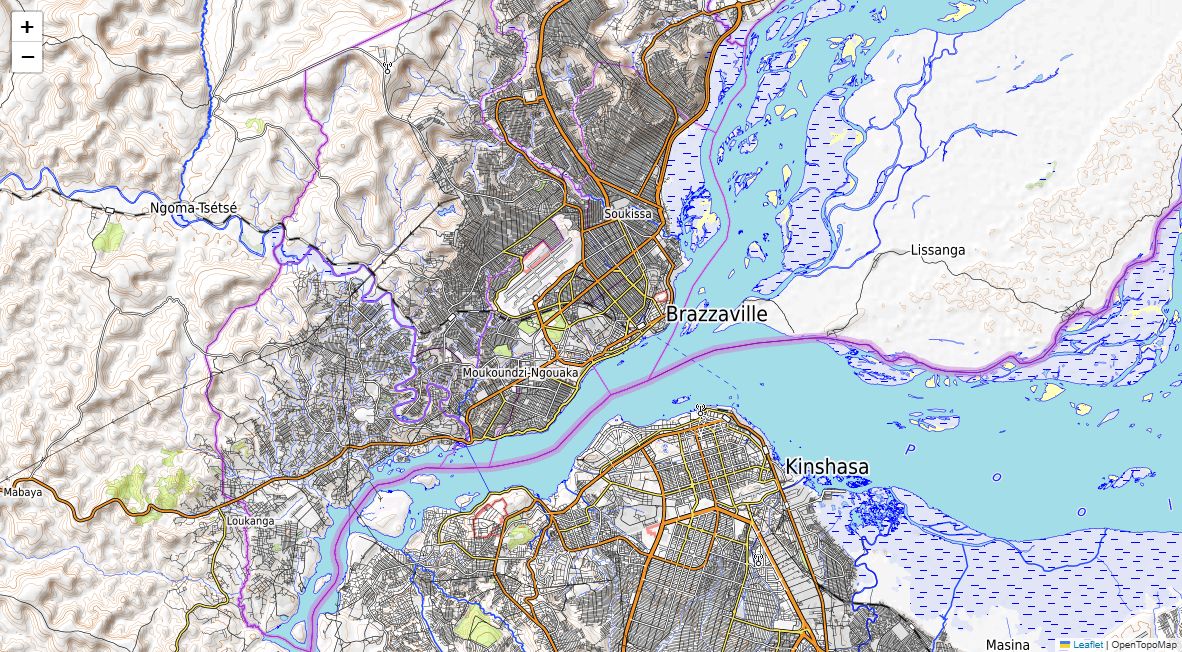
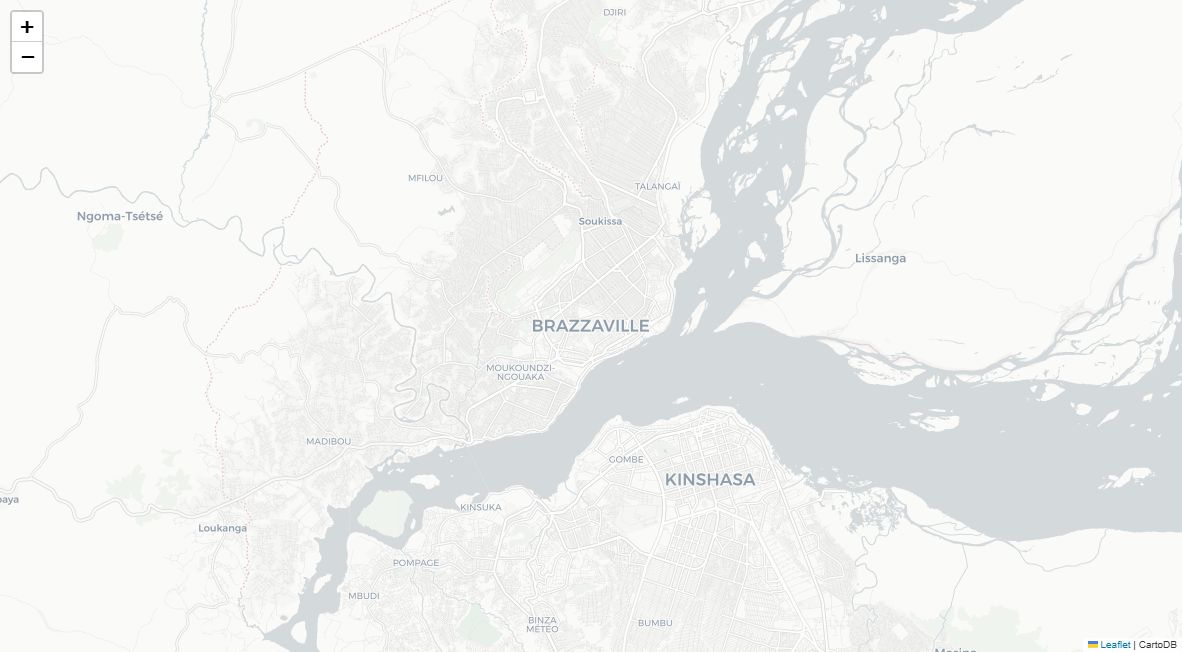
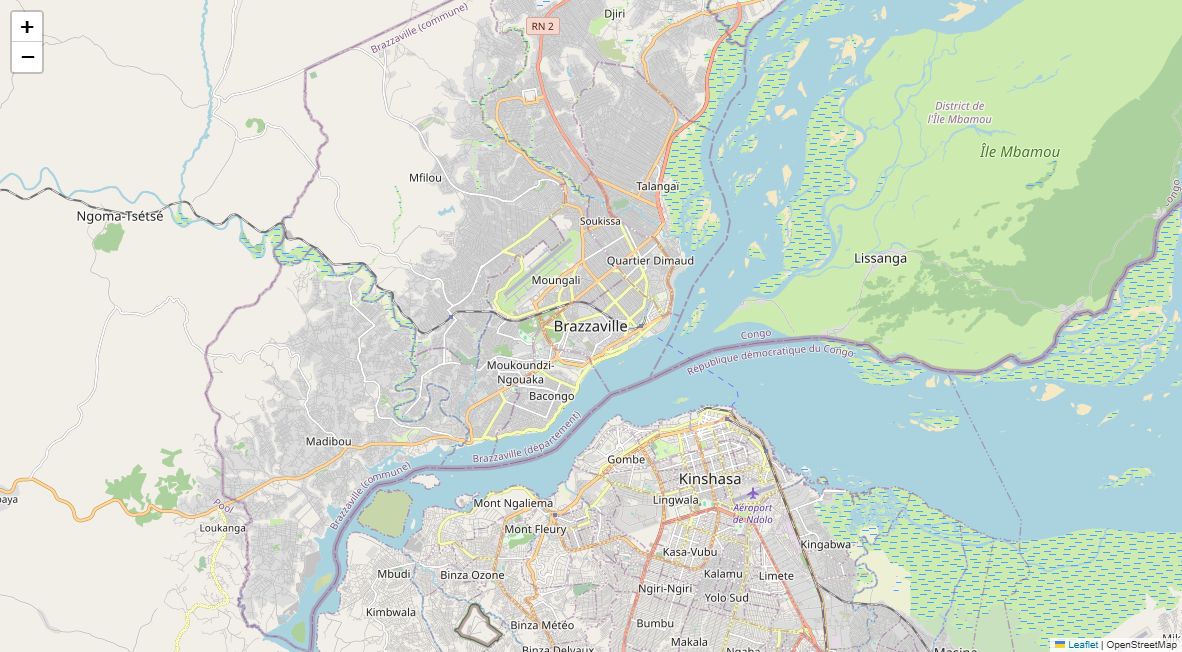
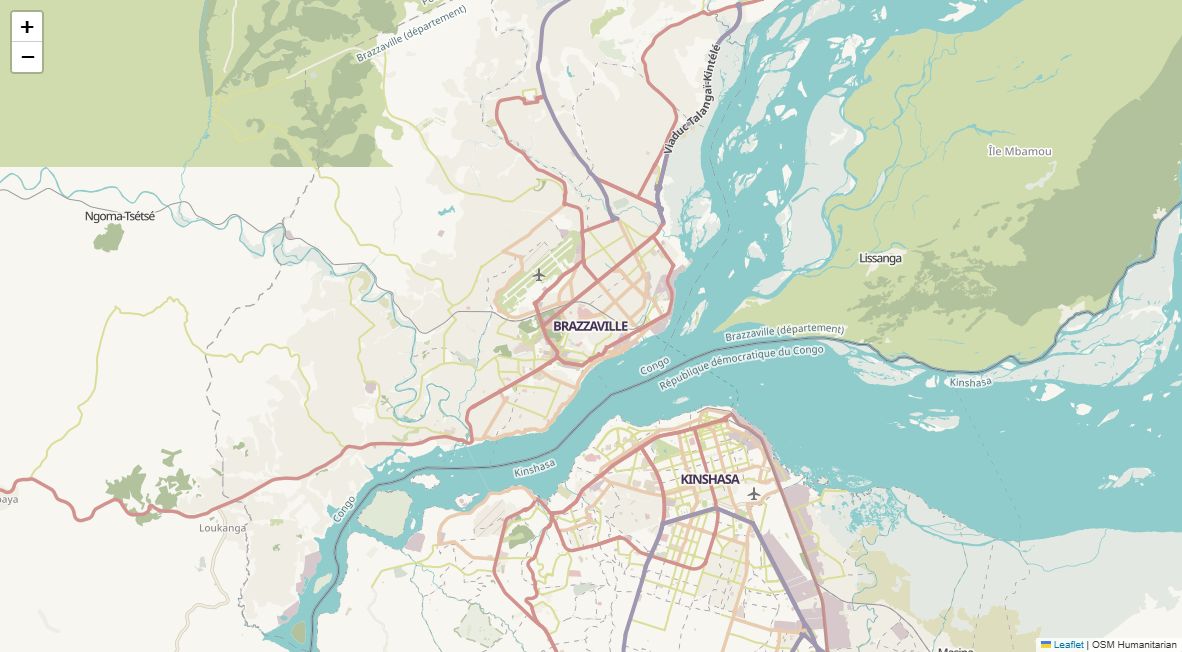
Brazzaville 2026: An Elite Traveler's Guide & Maps to the Emerald City
City Vibe
- Dynamic riverfront culture
- Harmonious blend of tradition & modernity
- Warm, welcoming local populace
- Emerging art and music scene
- Serene contrast to bustling Kinshasa
Local Flavors
- Moambe Chicken (Poulet Moambe)
- Saka-Saka (Cassava Leaf Stew)
- Liboké de Poisson (Steamed Fish)
- Fumbwa (Wild Spinach Dish)
- Beignets & fresh tropical fruits
Pro Tips
- Learn basic French phrases for easier navigation.
- Always carry your Yellow Fever vaccination card.
- Bargain respectfully in local markets.
- Use reputable taxis or ride-sharing apps.
- Stay hydrated and dress for tropical weather.
POPULATION GROWTH (IN THOUSANDS)
Lifestyle & Interest Scores
LOCAL SECRETS UNVEILED: BRAZZAVILLE
1. Welcome to Brazzaville: The Emerald Heart of the Congo
Brazzaville, the capital of the Republic of the Congo, is more than just a political center; it’s a city with an undeniable soul, a verdant landscape, and a captivating history that whispers from every street corner. Unlike its bustling counterpart across the river, Kinshasa, Brazzaville offers a more serene and organized atmosphere, earning it the moniker ‘Paris of Africa’ in bygone eras. In 2026, the city continues to maintain its tranquil charm while embracing modernity through infrastructural improvements and a growing hospitality sector. Tree-lined boulevards, colonial architecture, and the ever-present, awe-inspiring Congo River define its aesthetic. Visitors will find a city that prioritizes safety and local culture, making it an ideal entry point into the rich tapestry of Central Africa. From the moment you arrive, the warmth of the Congolese people and the intoxicating tropical air promise an unforgettable adventure. The city’s relatively compact nature also makes it highly navigable, allowing for deeper immersion into its various districts, each with its own distinct character and story to tell. Prepare to be enchanted by a destination that defies typical expectations and offers a truly unique perspective on the African urban experience.
2. Architectural Tapestry and Historical Footprints
Brazzaville’s history is etched into its diverse architecture. A visit to the iconic Basilique Saint Anne du Congo is paramount. This striking green-tiled cathedral, designed by Roger Erell, stands as a masterpiece of modern African religious architecture and offers a peaceful respite from the city’s gentle hum. Nearby, the grand Mausoleum of Pierre Savorgnan de Brazza, the city’s founder, provides a fascinating glimpse into the colonial past and French influence. The immaculate grounds and interpretive displays offer a thoughtful reflection on the country’s origins. For a taste of the city’s contemporary aspirations, the Nabemba Tower, a sleek skyscraper often referred to as ‘Elf Tower’, punctuates the skyline, symbolizing the nation’s economic potential. Exploring these landmarks is not just about appreciating their aesthetics; it’s about understanding the layered narratives that have shaped Brazzaville into the vibrant metropolis it is today. Don’t miss the opportunity to wander through the Plateaux district, where many well-preserved colonial buildings still stand, offering a picturesque backdrop for an afternoon stroll. Each building tells a story, contributing to the rich historical tapestry that is Brazzaville.
3. A Symphony of Flavors: Culinary Delights and Market Bustle
Brazzaville’s culinary scene in 2026 is a delightful fusion of traditional Congolese flavors and emerging contemporary influences. The city is renowned for its fresh river fish, often prepared ‘Liboké’ style – steamed in banana leaves with aromatic spices. The national dish, Poulet Moambe, a succulent chicken stew rich with palm nut sauce, is a must-try, offering a comforting and profoundly African taste. For the adventurous palate, ‘Saka-Saka’ (cassava leaf stew with peanut paste) and ‘Fumbwa’ (wild spinach with smoked fish or meat) provide authentic local experiences. The vibrant pulse of Brazzaville truly comes alive in its markets. The Poto-Poto Market, an explosion of color and sound, is an essential stop. Here, you can find everything from exotic fruits and vegetables to handcrafted textiles and local remedies. It’s a sensory overload in the best possible way, offering an authentic glimpse into daily life and an opportunity to interact with local vendors. For a more curated experience, explore the burgeoning number of modern eateries and cafes that are increasingly offering gourmet takes on local ingredients, alongside international cuisine. Dining in Brazzaville is not merely about sustenance; it’s a cultural immersion, a conversation starter, and an unforgettable journey for the taste buds.
4. The Mighty Congo: Adventure and Riverside Serenity
The lifeblood of Brazzaville is undoubtedly the mighty Congo River, the second-longest river in Africa and a force of nature that offers both serene beauty and thrilling adventure. Taking a boat trip on the Congo is an absolute highlight, providing unparalleled views of Brazzaville’s skyline on one bank and the sprawling urban landscape of Kinshasa on the other, representing the world’s closest capitals. The sheer scale of the river is breathtaking, and the experience of navigating its powerful currents is both humbling and exhilarating. Look out for the ‘Rapides’ – a series of rapids downstream that are a testament to the river’s untamed power. For those seeking closer interaction with nature, the nearby Parc National d’Odzala-Kokoua, though a journey, represents the ultimate adventure for wildlife enthusiasts, boasting a rich biodiversity, including forest elephants, gorillas, and chimpanzees. While directly within Brazzaville, the riverfront itself offers opportunities for leisurely walks, fishing, or simply watching the constant flow of canoes and cargo boats. The river is not just a geographical feature; it’s an integral part of the city’s identity, providing livelihoods, recreation, and a constant reminder of the raw, untamed beauty of the continent.
5. Art, Rhythms, and the Spirit of Brazzaville
Brazzaville boasts a rich artistic heritage, most famously embodied by the Poto-Poto School of Art. Established in 1951, this school has fostered generations of talented Congolese painters, known for their distinctive style that captures local life, nature, and folklore in vibrant, often abstract forms. A visit to the school’s gallery is a must for art lovers, offering a chance to purchase original pieces and support local artists. Beyond painting, Brazzaville is a city that moves to its own rhythm. Congolese rumba, a soulful and infectious genre, is the soundtrack to many evenings. Seek out local bars and ‘nganda’ (local eateries that often feature live music) to experience the genuine energy of Congolese nightlife. And, of course, no mention of Congolese culture is complete without acknowledging the ‘Sapeurs’ – members of the ‘Société des Ambianceurs et des Personnes Élégantes’. These dandy gentlemen, with their impeccably tailored suits and flamboyant styles, are living works of art, transforming everyday strolls into impromptu fashion shows. Encountering a Sapeur is a truly unique cultural experience, showcasing a profound dedication to elegance and personal expression that defines a significant part of Brazzaville’s identity. This commitment to self-expression, whether through art, music, or fashion, makes Brazzaville a truly captivating and inspiring destination.
Table of Contents
