
Cusco Maps & Guides
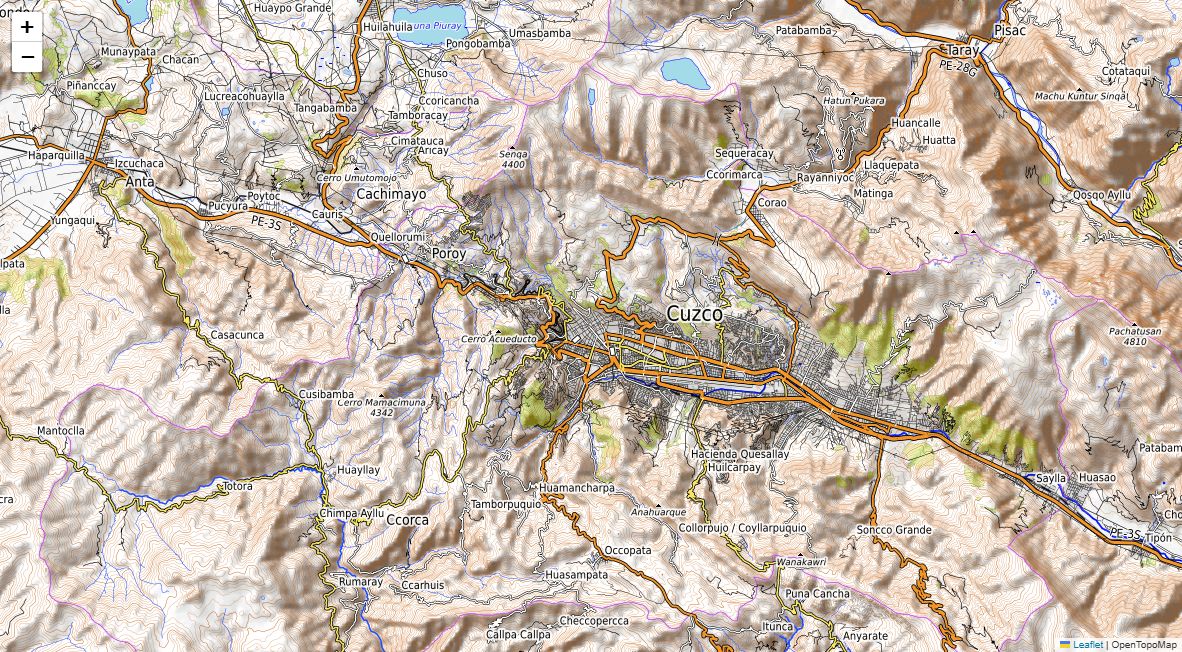
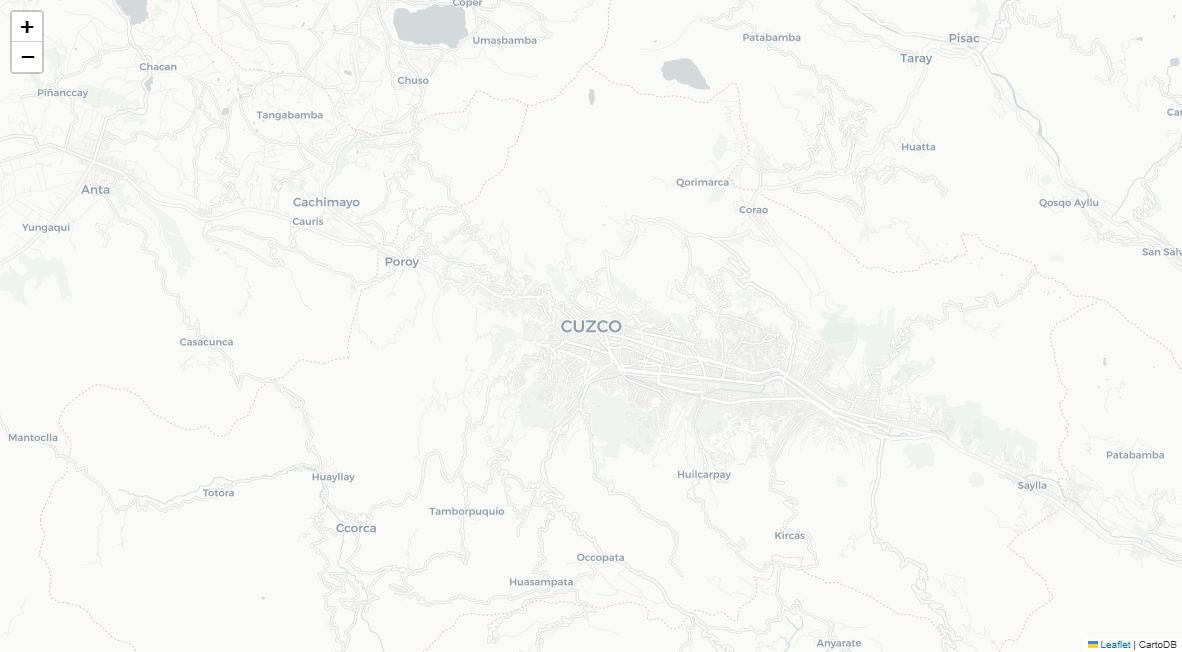
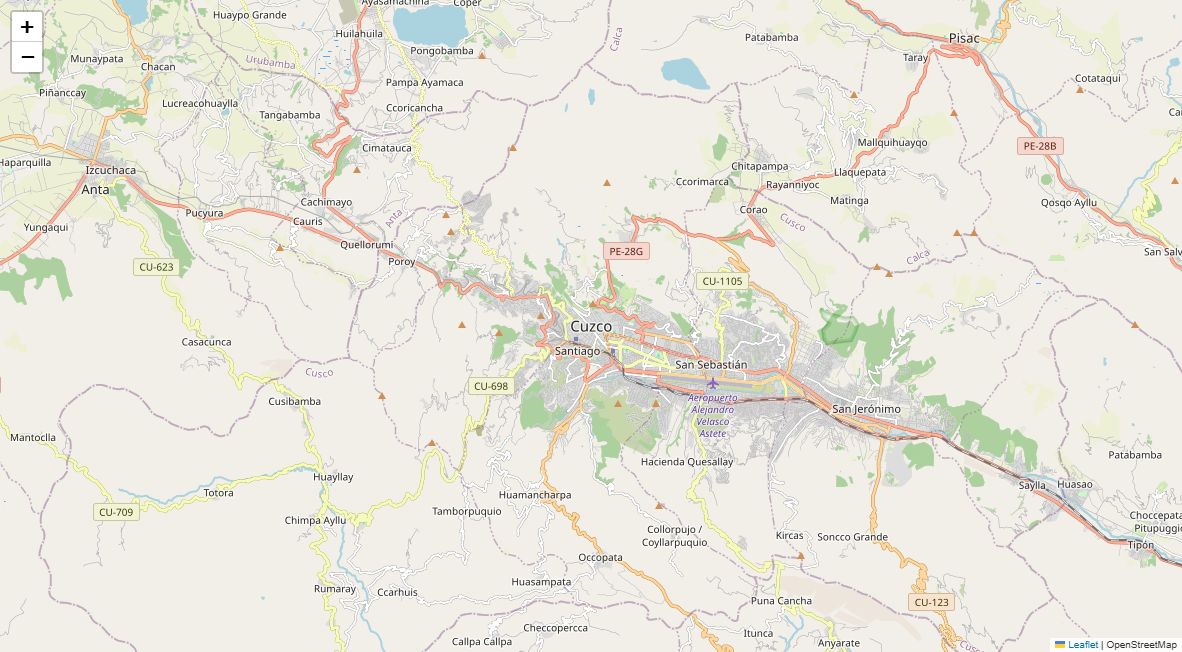
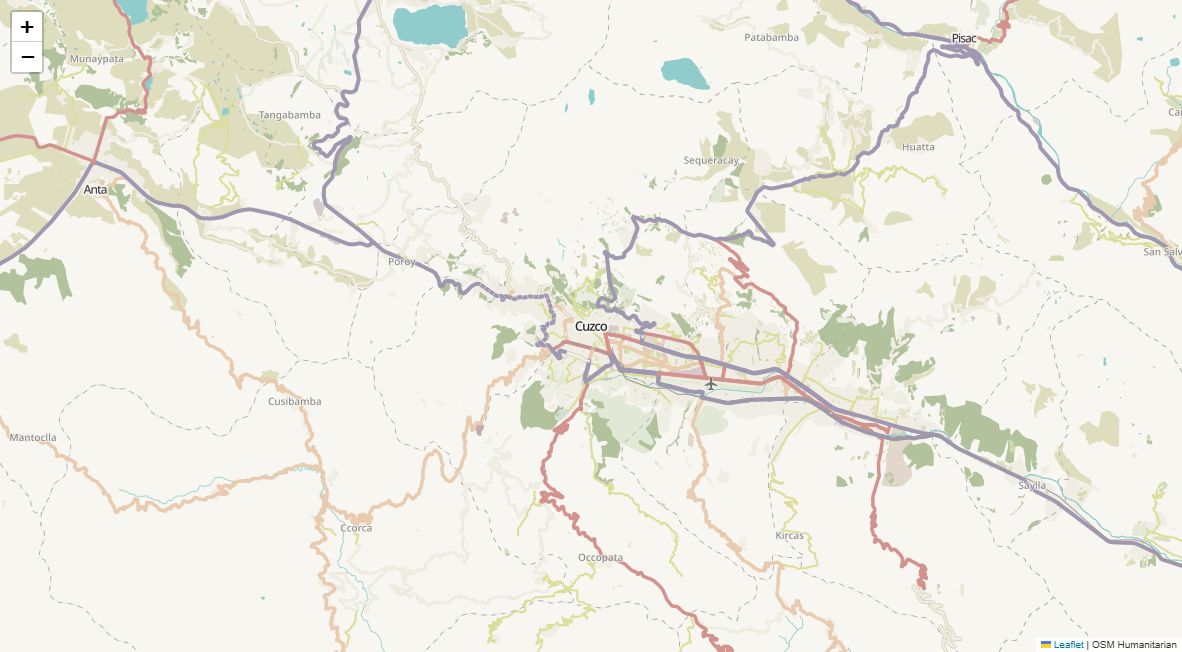
Cusco 2026: An Elite Traveler's Guide & Sacred Valley Maps
Cusco's Enduring Vibe
- Ancient Incan Mystique
- Vibrant Colonial Architecture
- High-Altitude Energy
- Gateway to Machu Picchu
- Warm Andean Hospitality
Elite Local Flavors
- Novoandina Cuisine (fusion)
- Pachamanca (earth oven feast)
- Cuy al Horno (roasted guinea pig)
- Chicha Morada (purple corn drink)
- Peruvian Coffee & Cacao
Pro Traveler Tips
- Acclimatize for 24-48 hours
- Hydrate constantly (coca tea helps)
- Book Machu Picchu tickets well in advance
- Learn basic Spanish phrases
- Carry small bills for markets
POPULATION GROWTH (IN THOUSANDS)
Lifestyle & Interest Scores
LOCAL SECRETS UNVEILED: CUSCO
The Beating Heart of the Andes: Cusco’s Enduring Legacy
Cusco, or Qosqo in Quechua, meaning ‘Navel of the World,’ lives up to its name as the historic capital of the Inca Empire. For the elite traveler in 2026, the city offers a seamless blend of ancient wonders and contemporary comforts. The Plaza de Armas, once the ceremonial center of the Incas, now serves as the bustling heart of the colonial city, flanked by the awe-inspiring Cusco Cathedral and the Church of the Society of Jesus. Beneath the Spanish foundations, the monumental Inca stonework remains, a testament to an architectural prowess that defies time. Stroll through the labyrinthine streets of the San Blas neighborhood, known for its artisan workshops and bohemian charm, or explore the ruins of Coricancha, the Inca Temple of the Sun, where gold-plated walls once reflected the Andean sun. Modern Cusco is not just a relic; it’s a dynamic metropolis where ancient traditions intersect with a burgeoning art scene, sophisticated dining, and luxurious boutique hotels housed in meticulously restored colonial mansions. Acclimatization is key here, given the city’s altitude of 3,400 meters (11,200 feet), so plan a relaxed first day to sip on coca tea and soak in the atmosphere. This foundational experience sets the stage for the profound adventures that lie beyond the city limits.
Gateway to the Sacred Valley & Machu Picchu: Iconic Expeditions
No visit to Cusco is complete without venturing into the Sacred Valley of the Incas and, of course, to the lost city of Machu Picchu. In 2026, access to these iconic sites remains meticulously managed to preserve their sanctity and ensure an exclusive experience. The Sacred Valley stretches between Cusco and Machu Picchu, dotted with significant Inca ruins, picturesque villages, and terraced fields. Elite travelers often opt for private guided tours to sites like Pisac, with its bustling market and impressive ruins overlooking the Urubamba River, and Ollantaytambo, a massive Inca fortress and village built atop an ancient Inca town. The journey to Machu Picchu itself is an experience, whether by the luxurious Hiram Bingham train, offering gourmet dining and panoramic views, or via a multi-day, high-end trek like the Inca Trail or Lares Trek, complete with glamping and private porters. Booking tickets for Machu Picchu well in advance is paramount, with timed entry systems ensuring a less crowded and more contemplative visit. Beyond the main trails, consider exploring lesser-known but equally stunning sites like Moray’s agricultural terraces and the Maras salt pans, providing a deeper understanding of Inca ingenuity and Andean life.
A Gastronomic Journey: Andean Flavors Redefined
Cusco’s culinary scene has evolved dramatically, moving beyond traditional Andean fare to embrace ‘Novoandina’ cuisine – a sophisticated fusion of indigenous ingredients with modern gastronomic techniques. In 2026, the city boasts a constellation of world-class restaurants where chefs transform staples like quinoa, alpaca, aji peppers, and thousands of potato varieties into exquisite dishes. Elite dining establishments near the Plaza de Armas and in San Blas offer tasting menus that are a journey through Peru’s diverse ecosystems, from the Amazon to the Andes. Beyond fine dining, don’t miss the opportunity to explore local markets like San Pedro, where the vibrant colors and aromas of fresh produce, regional cheeses, and traditional snacks provide an authentic sensory experience. For a truly unique and culturally immersive meal, inquire about a ‘Pachamanca,’ an ancient Inca feast cooked in an earth oven. Paired with a glass of robust Peruvian red wine or a refreshing Chicha Morada, a purple corn drink, Cusco’s food scene promises to be as memorable as its historical sites, appealing to even the most discerning palates.
Arts, Crafts, and Colonial Grandeur: Immersive Culture
Cusco’s rich cultural tapestry is woven from indigenous Inca traditions, Spanish colonial influences, and a thriving contemporary art scene. The city’s architecture itself is a masterpiece, with magnificent colonial buildings erected upon solid Inca foundations, creating a unique visual dialogue between two powerful civilizations. Explore the intricate details of the churches, convents, and mansions, particularly along the Calle Hatunrumiyoc, home to the famous Twelve-Angled Stone. For art enthusiasts, the San Blas neighborhood is a treasure trove of galleries and workshops showcasing traditional Cusco School painting, intricate wood carvings, and contemporary Andean art. High-quality alpaca and baby alpaca products, from luxurious sweaters to finely woven blankets, are a staple of Cusco shopping, with exclusive boutiques offering ethically sourced and beautifully crafted items. Engaging with local artisans offers insights into their techniques and the stories behind their creations. Furthermore, immerse yourself in the vibrant local festivals and traditional dance performances that frequently animate the city’s plazas, providing an authentic glimpse into the living culture and spiritual heritage of the Andean people.
Cusco’s Future: Sustainability and Elevated Experiences
As we look to 2026 and beyond, Cusco is increasingly focused on sustainable tourism and offering elevated, responsible experiences that preserve its natural and cultural heritage. The city and surrounding regions are actively promoting eco-friendly lodges, community-based tourism initiatives, and conservation efforts that ensure the longevity of its pristine landscapes and ancient sites. Elite travelers have the opportunity to engage with these initiatives, perhaps by staying at a luxury eco-lodge in the Sacred Valley that supports local communities, participating in responsible trekking programs, or dining at restaurants committed to sourcing local, organic ingredients. Advancements in digital navigation and localized experiential platforms also enhance the travel experience, allowing for seamless planning and access to bespoke activities, from private Andean weaving workshops to guided stargazing tours led by local astronomers. Cusco in 2026 is not just about witnessing history; it’s about participating in its future, fostering a deeper connection with the land and its people, and leaving a positive impact while indulging in an unparalleled luxury travel experience.
Table of Contents
