
Niamey Maps & Guides
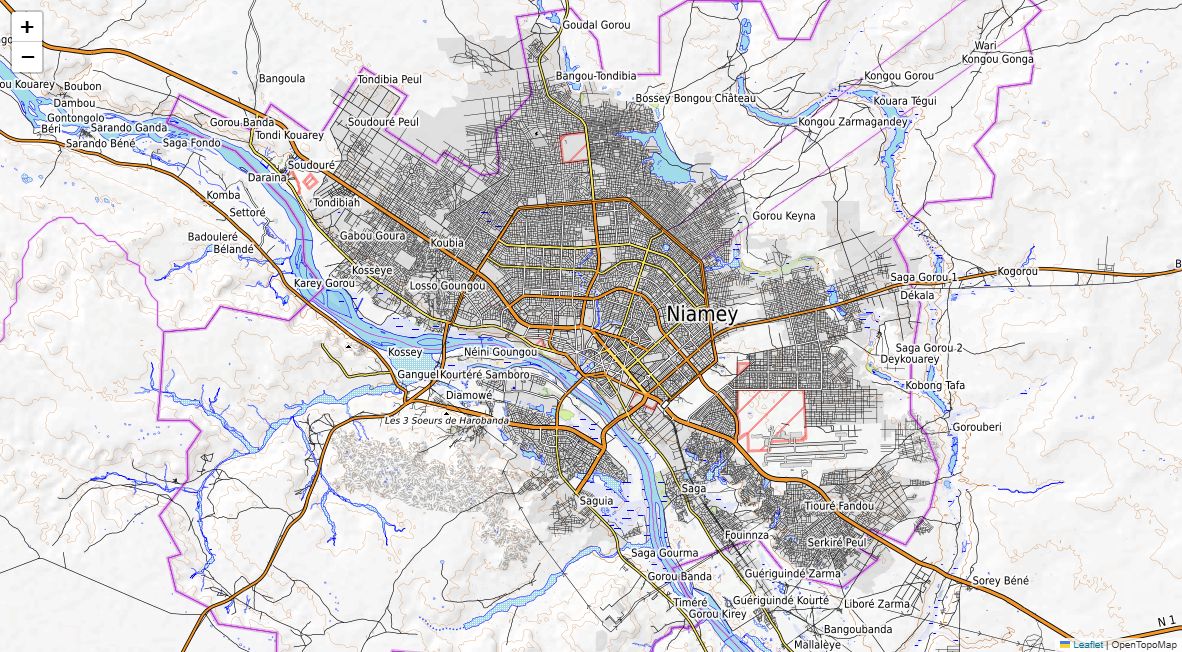
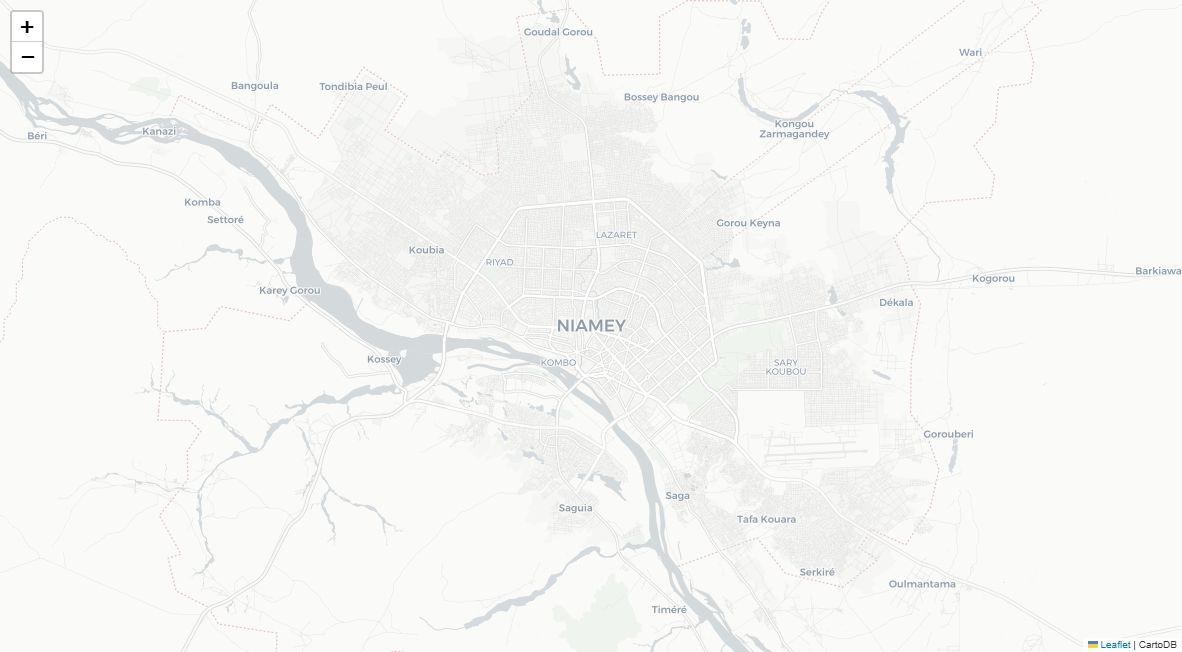
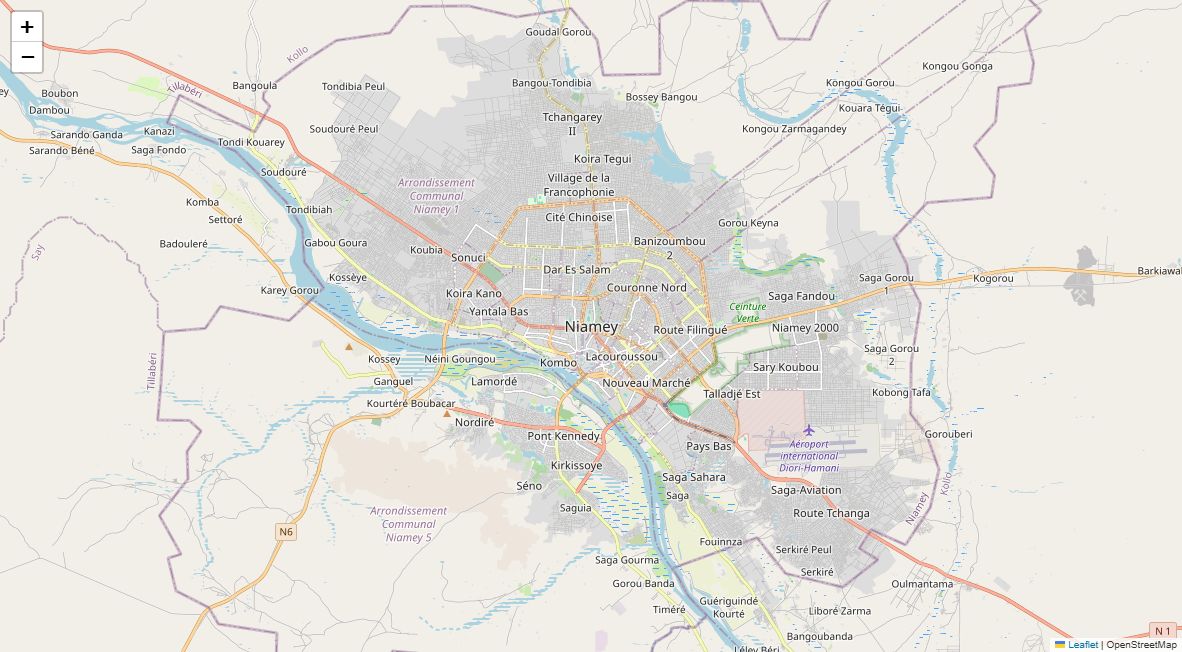
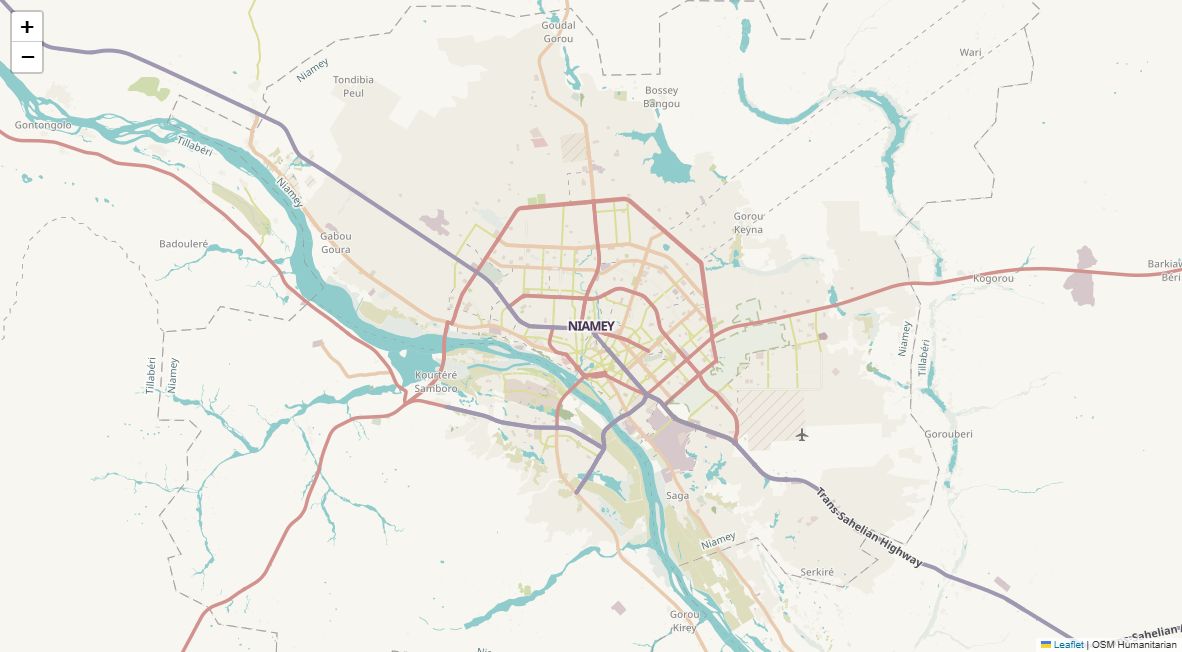
Niamey 2026: An Elite Explorer's Guide & Cultural Maps
City Vibe
- Bustling markets and artisan workshops
- Friendly, welcoming local populace
- Rhythmic sounds of daily life and prayer calls
- Vibrant traditional attire everywhere
- Serene views along the majestic Niger River
Local Flavors
- Authentic Djerma and Hausa culinary traditions
- Spicy grilled brochettes from street vendors
- Rich Tuwo shinkafa with groundnut soup
- Sweet fanyen (fried dough) for breakfast
- Refreshing bissap (hibiscus) and gingembre (ginger) drinks
Pro Tips
- Stay hydrated; carry water constantly
- Bargain respectfully in local markets
- Dress modestly, especially outside hotels
- Learn basic greetings in Hausa or Zarma
- Always have small denominations of CFA francs
POPULATION GROWTH (IN THOUSANDS)
Lifestyle & Interest Scores
LOCAL SECRETS UNVEILED: NIAMEY
Unveiling Niamey’s Heart: Culture and Heritage
Niamey, though often overlooked, is a nexus of diverse West African cultures, primarily the Zarma, Hausa, Tuareg, and Fulani. To truly grasp the city’s essence, begin your exploration at the National Museum of Niger (Musée National du Niger). More than just a museum, it’s an expansive cultural park showcasing traditional housing, artisan workshops, and a zoo featuring indigenous wildlife. Here, you can witness weavers, potters, and leatherworkers practicing ancient crafts, offering a direct window into the region’s artistic heritage. For a deeper dive into Islamic scholarship and architecture, visit the Grand Mosque of Niamey, a stunning example of Sahelian design that dominates the city skyline and offers a tranquil space for reflection (respectful dress and conduct are paramount). The city’s various quartiers each tell a story, from the colonial echoes in the old city center to the vibrant, organic growth of newer districts. Engage with local historians or guides to uncover the narratives behind the city’s landmarks and the enduring resilience of its people, allowing for an enriching educational experience that goes far beyond surface-level tourism. This immersive cultural journey is what truly sets an elite trip to Niamey apart.
Adventures Along the Niger: Nature and Exploration
The lifeblood of Niamey is undoubtedly the Niger River, offering a different dimension of adventure and tranquility. An exclusive sunrise or sunset pirogue trip provides an unforgettable perspective of the city, gliding past local fishermen and washing women, with the riverbanks occasionally revealing basking hippopotamuses. These magnificent creatures are a highlight, best observed from a safe distance with an experienced guide. Beyond the immediate river, the landscapes surrounding Niamey invite further exploration. A curated excursion to the Parc National du W du Niger, though a journey, can be an extraordinary experience for wildlife enthusiasts seeking a truly wild African safari. Closer to the city, the unique giraffes of Kouré offer a poignant example of conservation success. These West African giraffes, distinct from their Eastern and Southern African counterparts, roam freely in protected areas and can be approached with local guides, providing incredible photographic opportunities and a chance to support local conservation efforts directly. For the truly adventurous, guided treks into the fringes of the Sahel offer stark beauty and a profound connection with the arid landscape, revealing a side of Niger few ever witness.
A Taste of the Sahel: Culinary Journey
Niamey’s culinary scene is a delightful blend of traditional West African flavors, influenced by its diverse ethnic groups. For the elite palate, the emphasis is on authentic, freshly prepared dishes sourced from local markets. Begin your gastronomic adventure at the Grand Marché, not just for shopping, but to witness the vibrant array of fresh produce, spices, and local ingredients that form the backbone of Nigerien cuisine. Seek out private dining experiences arranged through your accommodation or a local expert, where you can savor dishes like ‘riz gras’ (rice cooked in a rich, meaty sauce), ‘brochettes’ (grilled meat skewers), and ‘haricot’ (bean stew). Don’t miss ‘tuwo shinkafa’ served with various flavorful soups, often made with groundnuts or baobab leaves. For a refreshing treat, ‘bissap’ (hibiscus juice) and ‘gingembre’ (ginger juice) are ubiquitous and wonderfully invigorating in the Sahelian heat. Exploring smaller, local eateries or even enjoying a meal prepared by a local family can offer an intimate and truly unforgettable culinary immersion, far superior to any standardized hotel fare. This authentic engagement with local food is a cornerstone of an elite travel experience here.
Navigating Niamey: Practicalities and Pointers for the Elite Traveler
While Niamey offers incredible rewards, informed preparation is key for a seamless elite travel experience. Safety is paramount; while generally safe in urban centers during the day, nighttime travel should be restricted to reputable taxis or pre-arranged private drivers. Always be aware of your surroundings and avoid displaying overt signs of wealth. For transportation, air-conditioned private vehicles with experienced drivers are highly recommended for comfort and security. Communication is primarily in French, but a few basic Hausa or Zarma greetings will be greatly appreciated by locals. Connectivity is generally reliable in the city via local SIM cards. Accommodation options for elite travelers range from established international hotels offering modern amenities to more boutique, culturally integrated guesthouses providing personalized service. Remember to respect local customs and dress modestly, especially when visiting religious sites or traditional areas. Hydration is crucial due to the intense heat; carry bottled water at all times. By adhering to these practical guidelines, your journey through Niamey will be as smooth and enriching as possible.
Beyond the City Limits: Day Trips and Excursions
For those with an extended stay, Niamey serves as an excellent base for venturing into the captivating landscapes and cultural hubs beyond its immediate borders. A highly recommended excursion is to the city of Dosso, approximately two hours southeast. Dosso is renowned for its fascinating chieftaincy and the Sultan’s Palace, offering a unique glimpse into the traditional governance structures of the Djerma people. The colorful ‘Durbar’ festival, though seasonal, is an experience of a lifetime if your visit coincides. Another compelling option is a visit to a Tuareg encampment on the outskirts of the capital. Arranged through a reputable tour operator, this offers a chance to respectfully interact with the ‘blue men of the desert,’ learn about their nomadic lifestyle, and perhaps even enjoy traditional tea under the vast Sahelian sky. For environmental enthusiasts, supporting local NGOs that focus on reforestation or sustainable agriculture projects provides an opportunity for responsible tourism and meaningful engagement with the challenges and triumphs of the region. These curated excursions elevate your Niamey experience from a simple visit to a profound immersion into the diverse tapestry of Niger.
Table of Contents
